


 Australia Unemployment Hits Five-Year High Despite Strong Jobs Growth
  Mexico-US Trade Talks Delayed to October as Tariff Negotiations Continue
  Fed Unveils Stablecoin Rules Under GENIUS Act
  Asian Currencies Mixed as Dollar Holds Near Two-Month High
  US 10-Year Treasury Yield at 6% Emerges as New Market Risk Threshold
  US Stock Futures Fall as Treasury Yields Surge Ahead of Trump-Xi Summit
  Oil Prices Fall on U.S.-Iran Hormuz Deal Hopes
  European Stocks Fall as Bond Yields and Geopolitical Risks Weigh
  Oil Prices Ease as Iran Tensions Clash With Diplomacy Hopes
  Japanese Bank Stocks Surge as Bond Yields Fuel Rate Hike Bets
  Canadian Dollar Faces Pressure as Fed-BoC Policy Gap Widens
  RBI Uses $10 Billion Currency Swaps to Drain Excess Rupee Liquidity
  Dollar Holds Near Two-Month High as Yen Approaches 160
  Trump, Xi Focus on Trade and AI at White House Summit
  Oil Prices Jump 3% as Houthi Attack Revives Supply Fears
  U.S. Dollar Hits Two-Month High as Oil, Treasury Yields Surge
  Dollar Falls as Oil Eases, Yen Jumps on Intervention Signals


 Add as a preferred source on Google
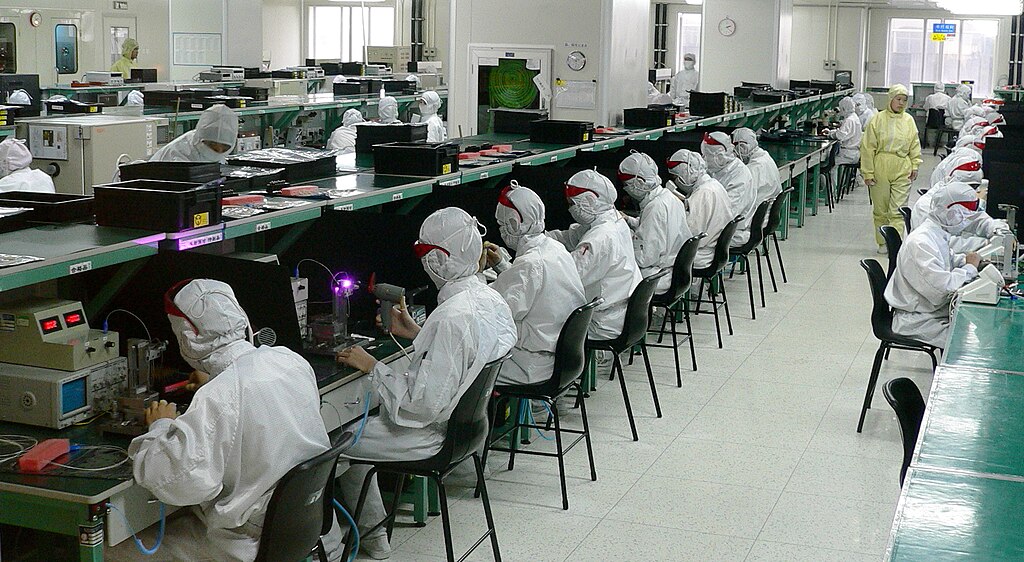
China’s manufacturing sector expanded at a slower pace in October as new orders and production weakened under renewed tariff anxiety, according to the RatingDog China General Manufacturing Purchasing Managers’ Index (PMI) compiled by S&P Global. The PMI dropped to 50.6 from 51.2 in September, falling short of analysts’ forecast of 50.9. A reading above 50 signals expansion, while below 50 indicates contraction.
RatingDog founder Yao Yu noted that among the sub-indices, only employment showed improvement, while all other indicators declined. The survey coincided with heightened trade tensions as then–U.S. President Donald Trumpthreatened a 100% tariff on Chinese goods. However, later agreements with President Xi Jinping eased some pressure, with Washington trimming tariffs by 10% in exchange for China’s commitments on fentanyl control, soybean imports, and rare earth exports.
Despite the truce, the positive impact on China’s exports remains limited. The PMI result still outperformed the official government survey, which indicated a sharper downturn. Rising domestic orders supported production, though growth softened compared to September. Manufacturers increased hiring to meet demand, marking the fastest job creation pace since August 2023 and ending a seven-month decline.
The upcoming shopping season also boosted purchasing activity for a fourth consecutive month. Yet, export orders fell sharply, reversing September’s gain as global trade uncertainty dampened demand. Many producers cut export prices for the first time since April to stay competitive.
Analysts from Citi highlighted that October’s performance was hindered by an eight-day holiday, tariff risks, and weak momentum. While large-scale stimulus is unlikely, Beijing has stepped up support, channeling 1 trillion yuan ($140 billion) through policy banks and local funding to stimulate investment and stabilize growth.
Overall, China’s manufacturing outlook remains cautious as businesses face narrowing profit margins, higher raw material costs, and persistent global trade risks.







