


 Soybean Futures Slip as Traders Await Trump-Xi Trade Signals
  Oil Prices Fall on U.S.-Iran Hormuz Deal Hopes
  Oil Prices Jump 3% as Houthi Attack Revives Supply Fears
  Fed’s Hammack Says Bond Yield Surge Is Not Driven by Inflation Fears
  US 10-Year Treasury Yield at 6% Emerges as New Market Risk Threshold
  U.S. Dollar Hits Two-Month High as Oil, Treasury Yields Surge
  Asian Stocks Fall as Surging Bond Yields Rattle Markets
  US Comfortable With Canada Trade Standoff as Import Bans Loom
  Oil Prices Ease as Iran Tensions Clash With Diplomacy Hopes
  European Stocks Fall as Bond Yields and Geopolitical Risks Weigh
  Trump, Xi Focus on Trade and AI at White House Summit
  Japanese Bank Stocks Surge as Bond Yields Fuel Rate Hike Bets
  China’s ‘Lipstick King’ Says AI Won’t Replace Livestream Hosts
  Gold Prices Fall as Treasury Yields Rise on Fed Rate Hike Bets
  Canadian Dollar Faces Pressure as Fed-BoC Policy Gap Widens
  Dollar Holds Near Two-Month High as Yen Approaches 160
  Fed Unveils Stablecoin Rules Under GENIUS Act


 Add as a preferred source on Google
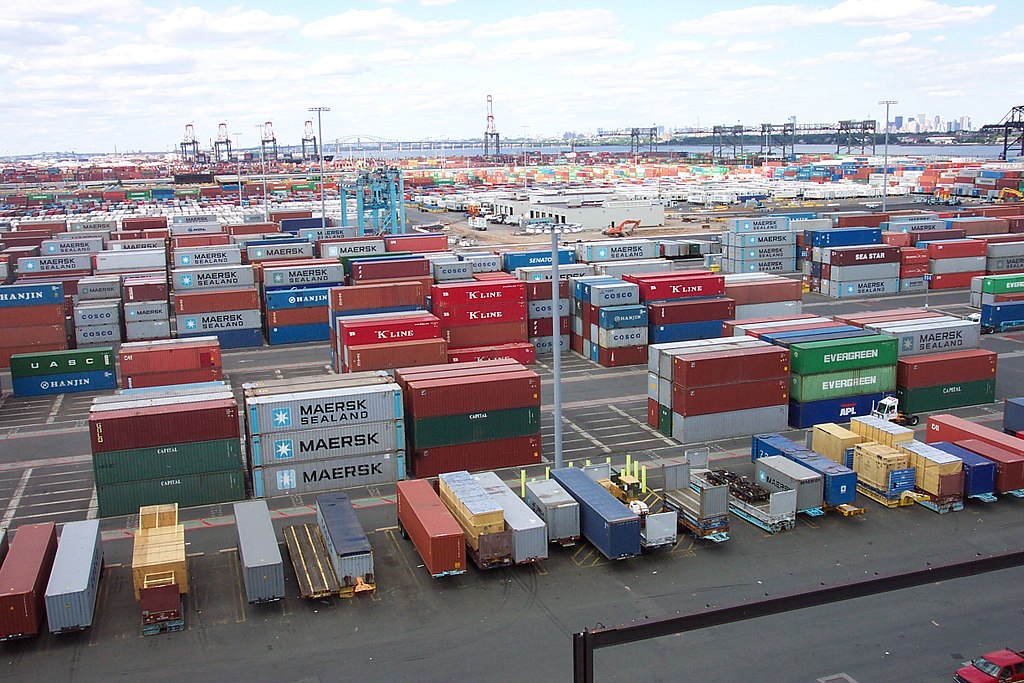
China has announced a new round of tariff adjustments set to take effect next year, signaling continued efforts to support domestic industries, enhance supply chains, and promote economic stability. According to a statement released by the Customs Tariff Commission of the State Council, the changes will include reduced import duties on a range of products, particularly resource-based commodities and critical medical supplies.
Among the notable adjustments, China will lower tariffs on resource-based materials such as recycled black powder, a key input used in the production of lithium-ion batteries. This move is expected to benefit the new energy sector, especially industries linked to electric vehicles, energy storage systems, and battery manufacturing, as the country accelerates its green transition and technological development.
In addition to industrial materials, the tariff reductions will also apply to several medical products. Import duties will be lowered on items such as artificial blood vessels and diagnostic kits for specific infectious diseases. These measures aim to improve access to advanced medical technologies, reduce healthcare costs, and strengthen China’s public health infrastructure amid growing demand for high-quality medical solutions.
The commission stated that provisional import tariff rates for 925 products will be set below the most-favoured-nation (MFN) rates, which are applied to all World Trade Organization member states. By offering lower-than-MFN tariffs, China is seeking to encourage imports of essential goods that support innovation, manufacturing upgrades, and consumer needs.
Analysts view the tariff adjustments as part of China’s broader economic strategy to stabilize trade, optimize its import structure, and foster high-quality growth. The policy is also expected to ease cost pressures on downstream industries and enhance China’s competitiveness in emerging sectors such as clean energy and advanced healthcare.
Overall, the upcoming tariff cuts reflect China’s continued commitment to opening its market, supporting key industries, and aligning trade policies with long-term economic and development goals.







