


 RBA Expected to Hold Interest Rates at 4.35% as Markets Watch AUD/USD and ASX 200
  Gold Prices Fall Amid Rate Jitters; Copper Steady as China Stimulus Eyed
  China Sets 1.25% Overnight Reverse Repo Rate Below Market Expectations
  Japan Signals Preference for Low Interest Rates as BOJ Policy Debate Intensifies
  BOJ Rate Hike Expectations Rise as Weak Yen and Strong U.S. Jobs Data Increase Pressure
  US Dollar Rises as Fed Rate Outlook Stays Hawkish, Euro Slips and Yen Near 40-Year Low
  Denmark Central Bank Intervenes to Support Krone Peg Against Euro


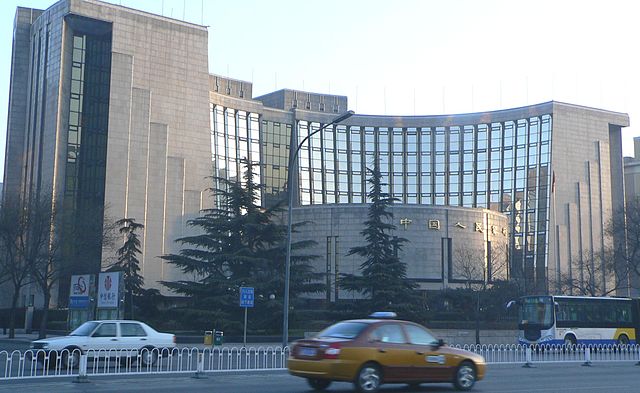
PBoC adviser Huang Yiping said over the weekend that China’s deleveraging has not made any significant progress, which implies that China still relies on credit-fuelled growth model, posing a long-term risk to China’s economy.
He mentioned that the household leverage ratio has picked up sharply on property rally. Clearly, while the surge of property sales helps reduce the unsold inventories, the increase in household debt (due to mortgage financing) could bring about new risks to the economy.
In the meantime, the State-owned Enterprises (SOEs) are still leveraging up, due to implicit guarantee from the governments. China has launched a 350 billion yuan ($52.5 billion) restructuring fund as the government pushes ‘supply-side’ reforms. The Chinese govt has created the fund to support state firms going through hard times. The China State-owned Enterprises Restructuring Fund will be managed by the State-Owned Assets Supervision and Administration Commission (SASAC).
“This fund aims to facilitate the destocking and deleveraging process,” said Zhou Hao, senior emerging markets economist at Commerzbank.
China has made reform of state enterprises, many suffering from surplus production capacity, a nationwide priority as economic growth slows. Reforms include mergers of inefficient state enterprises and laying off workers in struggling sectors such as coal and steel.







