


 US, Japan and South Korea Back Taiwan Ahead of Trump-Xi Summit
  Russian Strikes Kill Eight Across Ukraine as Energy Sites Hit
  Trump Board of Peace Unveils $2.45 Billion Gaza Recovery Plan
  Burnham Eyes UK Leadership Role in AI Ahead of Trump Meeting
  Vietnam, US Trade Deal Could Be Signed Soon, To Lam Says
  Zelenskiy Warns Russia Preparing Major Attack on Ukraine
  Paramount-Warner Bros $110 Billion Deal Draws Antitrust Backlash
  US, Denmark and Greenland Set to Sign Arctic Security Deal
  Scott Bessent Eyed as Trump’s New AI Czar
  Marco Rubio to Meet Russia’s Lavrov in New York
  Zelenskiy Meets CIA Chief John Ratcliffe at Ireland’s Shannon Airport
  Macron, Trump Discuss Ukraine-Russia Energy Strike Moratorium
  US Plans Two New Military Bases in Greenland Under Arctic Deal
  Lula Meets Mamdani in New York as Elections Approach
  Carney Condemns Belleville Synagogue Shooting That Wounded Police Officer
  Trump Administration Prepares Sanctions Against Entire ICC
  Macron Challenges Trump’s Gaza Peace Claims at UN


 Add as a preferred source on Google
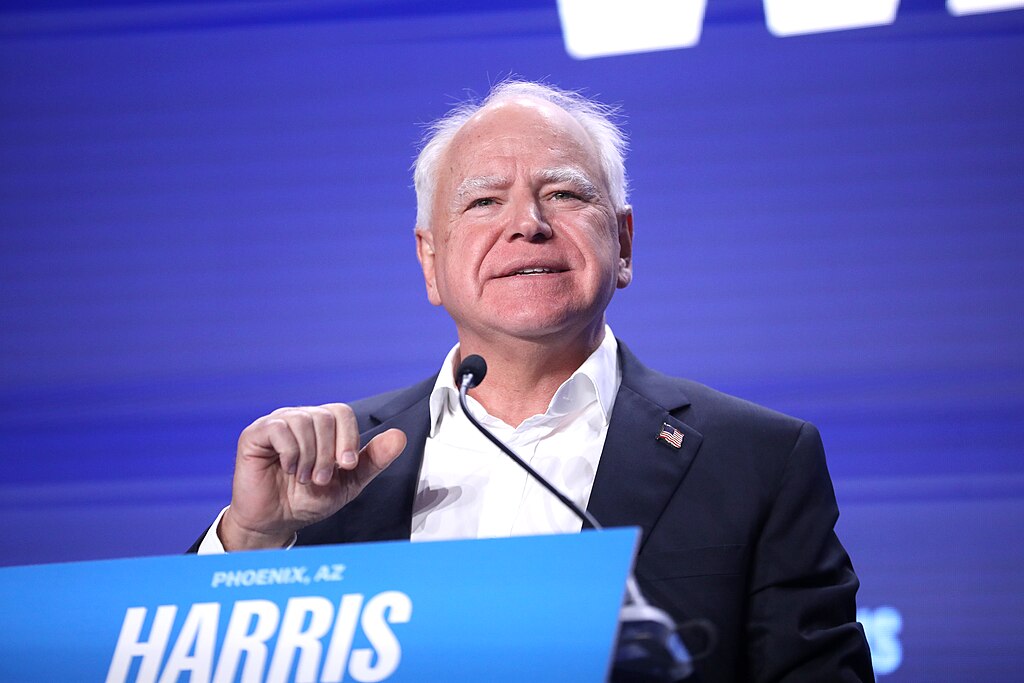
Newly leaked Department of Homeland Security documents reveal that Chinese officials had previously identified Tim Walz as a potential target for influence in Washington, even before he was named as a vice-presidential candidate. The internal DHS message, recently obtained through a whistleblower, underscores how Walz may have been viewed as part of China’s broader strategy to secure strategic influence within U.S. political circles.
According to the document, Chinese operatives allegedly marked Walz as a “target” for possible future engagements, suggesting that they saw him as “someone they can get to DC.” The nature of this influence strategy has raised questions and concerns about how Beijing may be working to connect with rising American political figures to advance its interests. The memo hints at a focused effort to place individuals in or close to positions of power within the United States as Beijing seeks more direct influence over U.S. policy.
Analysts who reviewed the memo have pointed out the significance of the DHS warning. By identifying Walz as a figure of interest, China could be looking to establish connections early in politicians’ careers before they rise to national influence. This kind of long-term strategy, which involves approaching individuals before they achieve higher office, may be part of China’s broader playbook in building influence networks within the U.S. government.
The DHS document did not specify particular strategies or agents deployed to achieve these goals, nor did it indicate whether Walz himself was aware of any direct outreach. But the notion of being seen as “someone they can get to DC” underscores China’s vested interest in those who have the potential to shape U.S. foreign policy.
With Walz now in the spotlight as a vice-presidential candidate, his connection to any foreign interest, real or perceived, becomes a matter of intense public scrutiny. Political experts note that China’s tactics may be subtle, involving indirect connections or fostering favorable views among those close to a political figure rather than outright bribery or coercion. However, the acknowledgment of such an interest remains controversial.
A DHS official, speaking on condition of anonymity, said the memo does not imply any wrongdoing on Walz’s part. “This is about understanding how foreign actors seek to align themselves with rising figures in our government,” the official explained. “Whether or not Mr. Walz ever engaged with Chinese representatives is unknown, but the memo clearly shows that China has an eye on future power players.”
Critics of China’s influence operations argue that these recent revelations underscore the need for vigilance and thorough background checks for candidates rising in the ranks. “It’s a global game of chess,” said foreign policy analyst Greg Paulsen. “China wants people in the U.S. government who are sympathetic, or at the very least, not suspicious of its long-term goals.”
Walz’s office has not issued a statement regarding the leaked DHS memo, but the topic has already sparked debate among supporters and critics. As scrutiny on international influence increases, this memo serves as a stark reminder of how major world powers seek to position themselves with emerging American leaders, even before they reach the highest offices in the land.







