


 Japan Producer Inflation Eases to 7.6% in August
  Trump Rejects Saudi Request for Houthi Strikes
  Trump Vows to Keep U.S. Ahead of China in AI Race
  Sweden Election Puts Far Right and Centre Left in Tight Race
  Asian Tech Stocks Slide as AI Concerns and Rising Bond Yields Hit Chipmakers
  Fitch Eyes Japan Budget for Fiscal Discipline
  US Treasury Yields Near 5% as Oil Fuels Inflation Fears
  Dollar Rises as Fed Hike Bets Weigh on Asian Currencies
  BRICS Calls for Restraint as Middle East War Escalates
  Gulf Ministers to Meet Iran in Oman Over Hormuz Shipping Deal
  Asian Stocks Fall as AI Fears and Oil Surge Hit Markets
  UK Businesses Urge Government to Cut Electricity Levies
  China’s Global Times Slams Anthropic CEO’s AI Slowdown Plan as ‘Cold War’ Strategy
  Russian Strikes Across Ukraine Kill Nine, Injure Dozens
  Philippines Holds Historic Bangsamoro Election Amid Tight Security
  Gold Prices Fall as Hot U.S. Inflation Boosts Fed Rate Hike Bets


 Add as a preferred source on Google
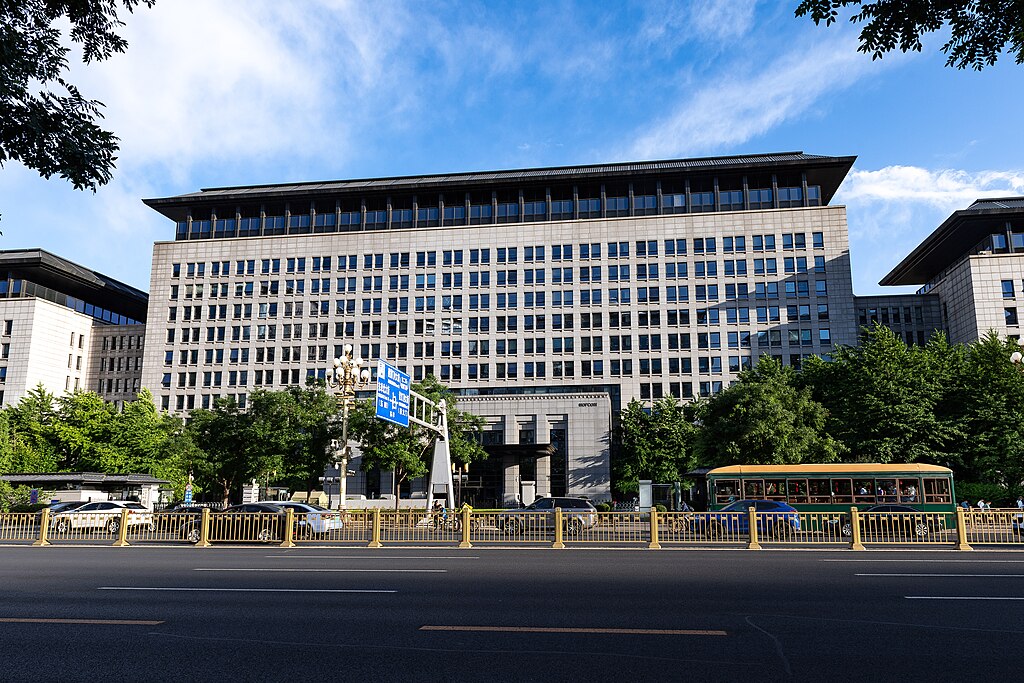
China’s Ministry of Commerce has announced stricter export controls on rare earth elements, further limiting the global supply of these critical materials. The new measures, revealed on Thursday, expand restrictions on the export of rare earth processing and manufacturing technologies. They also prohibit Chinese companies from engaging in unauthorized international cooperation involving these technologies.
The move underscores China’s growing emphasis on national security and technological sovereignty. Rare earths—17 metallic elements essential in producing electric vehicles, wind turbines, semiconductors, and military equipment—are a cornerstone of modern industry. As the world’s dominant supplier, China controls over 70% of global production and refining capacity, giving it substantial leverage in global supply chains.
According to the Ministry, the tighter regulations aim to safeguard “national interests and industrial security.” Exporters must now obtain special licenses to share or sell related processing technologies abroad. Companies that violate these rules could face severe penalties, including loss of export privileges and legal prosecution.
Analysts view the new restrictions as part of Beijing’s broader strategy to strengthen control over strategic resources amid ongoing geopolitical tensions, particularly with the United States and its allies. The move may also accelerate efforts by other nations to diversify their rare earth supply chains and invest in domestic production.
China’s decision follows previous export control updates introduced in 2023, which added gallium and germanium—key semiconductor materials—to its restricted list. Industry observers expect these latest measures to impact global prices and disrupt high-tech manufacturing sectors dependent on Chinese rare earth exports.
This tightening of rare earth export controls highlights China’s commitment to preserving its dominance in critical mineral technologies while balancing global demand and geopolitical influence.







