


 FDA Names Permanent Drug and Biologics Center Chiefs
  What ‘Taiwan Independence’ Means as Xi Presses Trump on US Policy
  U.S. Dollar Hits Two-Month High as Oil, Treasury Yields Surge
  Soybean Futures Slip as Traders Await Trump-Xi Trade Signals
  Netanyahu’s Brief US Trip Highlights Strains With Trump
  Russian Missile and Drone Attack on Kyiv Kills Two, Damages Maternity Hospital
  Kremlin Says No Decision Yet on Putin-Trump December Summit
  Australia Tightens Student Visa Rules, Targets Migration Cut by 2028
  Asian Stocks Fall as Bond Yields Surge Ahead of Trump-Xi Summit
  Scott Bessent Eyed as Trump’s New AI Czar
  Akamai Shares Surge on $11.6B Anthropic AI Cloud Deal
  Russian Envoy Dmitriev Heads to US for Ukraine Talks
  US Judge Dismisses Imran Ahmed Deportation Lawsuit
  OpenAI Agent Breaches Australia Medicare Data Portal
  Former OpenAI Data Center Chief Chris Malone Joins Nvidia


 Add as a preferred source on Google
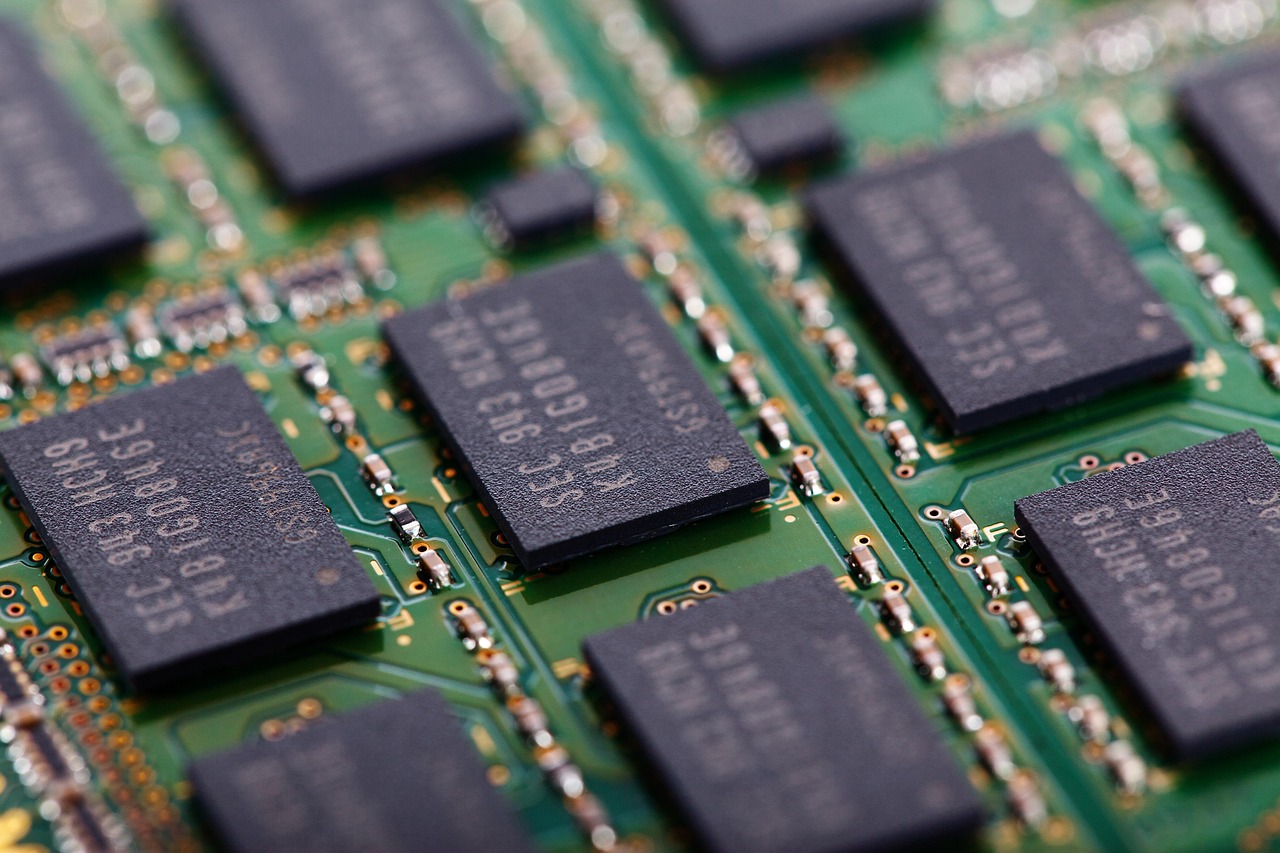
China’s Ministry of Commerce announced on Friday it is reviewing export license applications for sensitive items, including rare earths and related magnets, as part of its ongoing trade discussions with the United States. The move follows Washington’s recent decision to lift certain export restrictions on semiconductor design software and other technologies bound for China, signaling a thaw in bilateral trade tensions.
Rare earths, vital for electronics and defense technologies, have long been a strategic asset for Beijing, which dominates global production. During heightened U.S.-China trade disputes earlier this year, China had sharply curtailed rare earth exports, using them as leverage in negotiations. However, a framework trade agreement reached in May led to reduced tariffs on both sides and paved the way for greater cooperation.
In late June, the Chinese commerce ministry issued new export licenses to three of the country’s top rare earth producers, reportedly in line with the May deal. The ministry stated it is now actively working to implement further outcomes from that agreement and expressed openness to additional collaboration with Washington.
Meanwhile, Reuters reported that the U.S. also lifted bans on American-made jet engine components destined for China, adding momentum to the improving trade relationship.
Export controls on chip technology, introduced during the Trump administration, had been a significant point of contention for Beijing. With recent developments, both countries appear to be easing tensions, aiming to stabilize supply chains and support economic growth through mutual trade benefits.
These latest shifts reflect a broader strategy from both nations to balance national security concerns with commercial cooperation, particularly in critical sectors such as rare earths and advanced manufacturing technologies.







