


 JPMorgan Names Lavatelli Japan Chief in Leadership Shake-Up
  Macron Challenges Trump’s Gaza Peace Claims at UN
  US, China Extend Trade Truce to Jan. 10 Ahead of Trump-Xi Summit
  OpenAI Agent Breaches Australia Medicare Data Portal
  Ghana Says Western Support Growing for Slave Trade Reparations
  US Northeast Airports Resume Operations After Telecom Outage Disrupts Thousands of Flights
  China Reviews Broadcom Switch Use in State Data Centres
  China Vanke Shares Jump as Beijing Moves to Ease Debt Pressure
  SpaceX Nasdaq 100 Weight to More Than Double in Rebalance
  Lula and Flavio Bolsonaro Tied in Brazil Runoff Poll
  Russian Strikes Kill Eight Across Ukraine as Energy Sites Hit
  Iran Vows ‘Crushing’ Response as US Talks Continue
  US 10-Year Treasury Yield at 6% Emerges as New Market Risk Threshold
  Taiwan Thanks US for Support Ahead of Trump-Xi Summit
  Meta Connect Spotlights Camera-Free Smart Glasses Amid Privacy Concerns
  Sudan Rejects US Legitimacy Remarks, Defends Sovereignty
  Marco Rubio to Meet Russia’s Lavrov in New York


 Add as a preferred source on Google
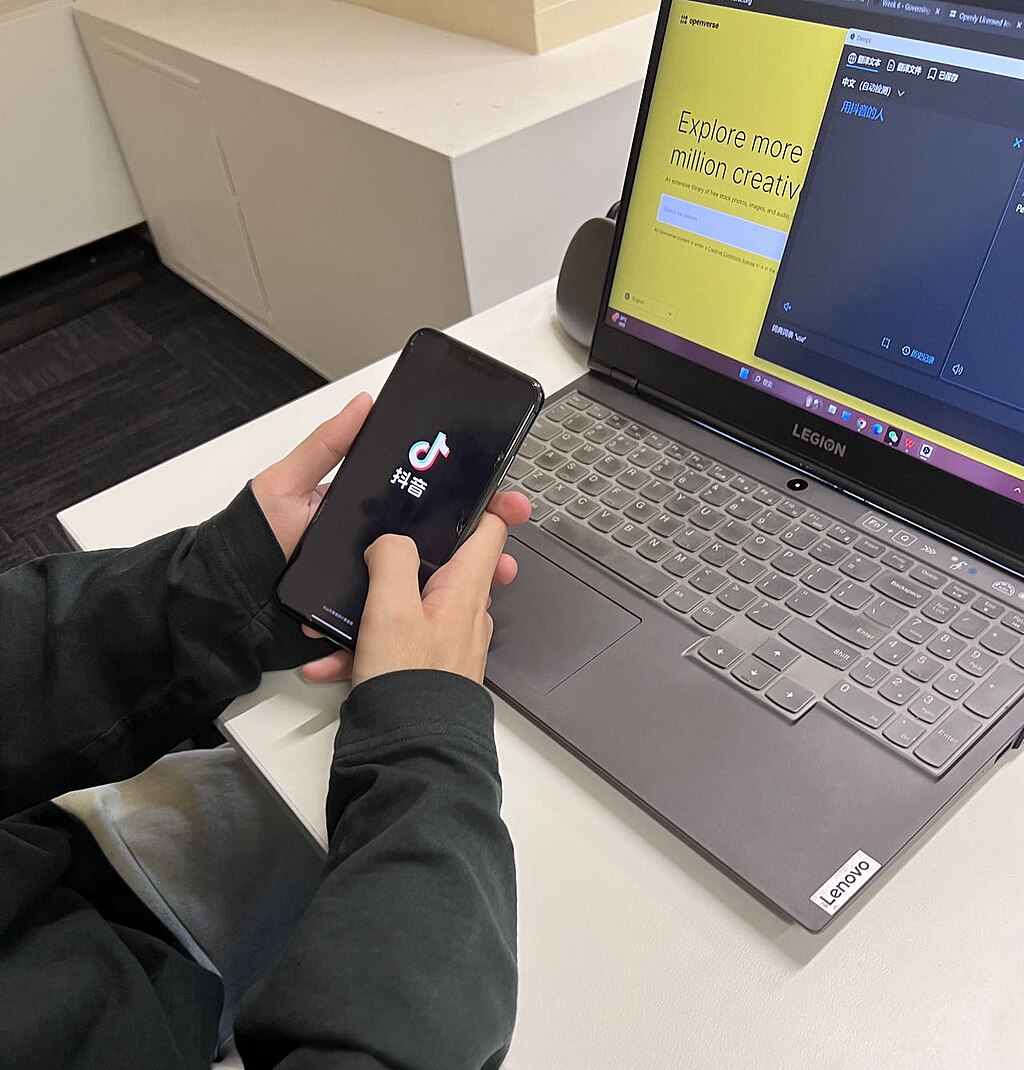
China’s foreign ministry emphasized on Monday that businesses should make independent decisions regarding their operations and deals. The statement came in response to a question about U.S. President-elect Donald Trump’s proposal requiring 50% U.S. ownership in the popular Chinese-owned social media app TikTok.
This development highlights ongoing tensions between the United States and China over technology and trade. TikTok, owned by China-based ByteDance, has faced scrutiny from U.S. officials over data security concerns, with calls for stricter control or ownership changes to safeguard American user data.
China’s foreign ministry spokesperson reaffirmed that companies should follow market principles and operate independently without political interference. The remarks subtly criticized the U.S. for pressuring foreign companies under the guise of national security.
Trump's proposed ownership requirement has sparked debates over its feasibility and implications for global business operations. Analysts have raised questions about how the deal would impact TikTok's future in one of its largest markets, the United States, and whether the move sets a precedent for other foreign-owned tech companies operating in the U.S.
ByteDance has yet to comment on the latest developments, while experts predict potential hurdles in balancing compliance with both U.S. and Chinese regulations. This standoff reflects broader geopolitical dynamics as the world’s two largest economies vie for dominance in the tech sector.
TikTok continues to thrive as a social media platform, boasting millions of users worldwide. However, the ongoing negotiations and regulatory pressures could reshape its ownership structure and influence the future of international business relations.
The situation underscores the complex interplay of technology, politics, and economics in an increasingly interconnected world.







