


 Asian Stocks Slip as Tech Rout Deepens, Japan Steadies Ahead of Election
  India–U.S. Interim Trade Pact Cuts Auto Tariffs but Leaves Tesla Out
  Bank of Japan Signals Readiness for Near-Term Rate Hike as Inflation Nears Target
  Russian Stocks End Mixed as MOEX Index Closes Flat Amid Commodity Strength
  Gold Prices Slide Below $5,000 as Strong Dollar and Central Bank Outlook Weigh on Metals
  Japan Economy Poised for Q4 2025 Growth as Investment and Consumption Hold Firm
  Oil Prices Slide on US-Iran Talks, Dollar Strength and Profit-Taking Pressure
  Fed Confirms Rate Meeting Schedule Despite Severe Winter Storm in Washington D.C.
  Trump’s Inflation Claims Clash With Voters’ Cost-of-Living Reality
  Fed Governor Lisa Cook Warns Inflation Risks Remain as Rates Stay Steady
  Global Markets Slide as AI, Crypto, and Precious Metals Face Heightened Volatility
  RBI Holds Repo Rate at 5.25% as India’s Growth Outlook Strengthens After U.S. Trade Deal
  RBA Raises Interest Rates by 25 Basis Points as Inflation Pressures Persist
  Japanese Pharmaceutical Stocks Slide as TrumpRx.gov Launch Sparks Market Concerns
  Bank of Canada Holds Interest Rate at 2.25% Amid Trade and Global Uncertainty


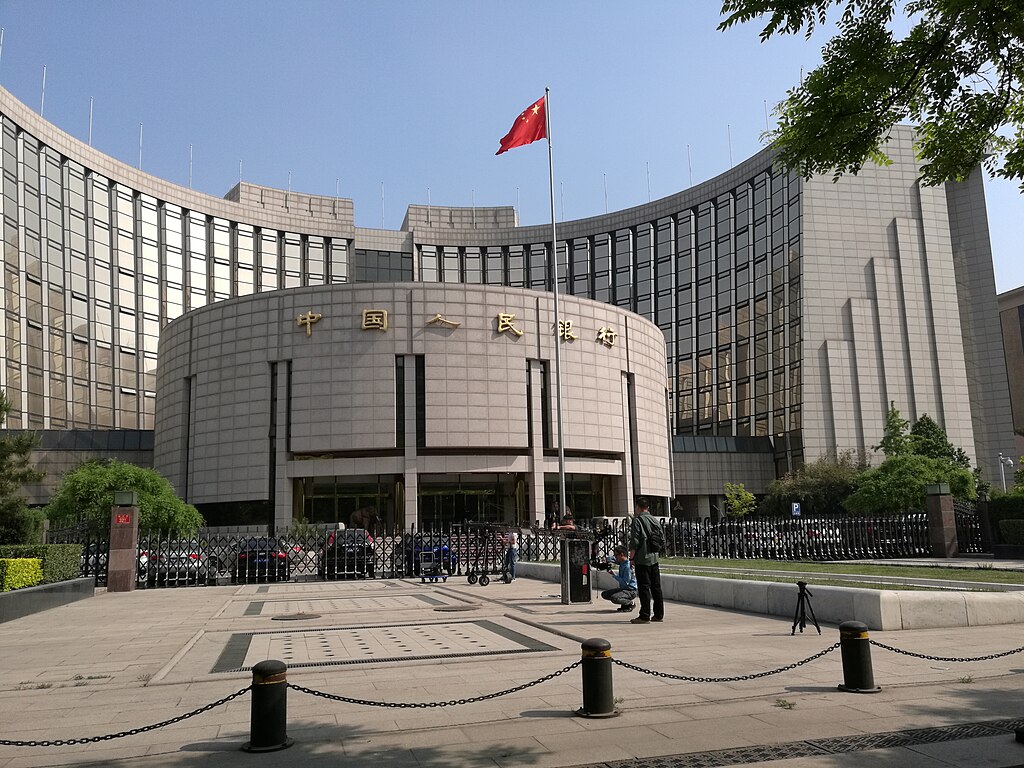
The People’s Bank of China (PBOC) held its benchmark loan prime rate (LPR) steady on Thursday, aligning with market expectations as Beijing prioritizes fiscal measures over monetary easing to boost economic growth.
The one-year LPR remained at 3.6%, while the five-year LPR, influencing mortgage rates, stayed at 3.1%, both at record lows after multiple cuts in recent years. The LPR, set by the PBOC based on submissions from 18 commercial banks, serves as a benchmark for lending rates in China.
Further rate cuts appear limited, as previous monetary easing has provided only short-term relief. Instead, Chinese policymakers are focusing on fiscal stimulus, rolling out measures such as increased social welfare and consumer subsidies to drive spending.
The PBOC has consistently lowered the LPR over the past three years to support economic recovery and the struggling property market. However, these efforts have yielded minimal results. Additionally, lower interest rates have weakened the Chinese yuan, making further cuts less viable due to Beijing’s concerns over currency stability.
Despite the PBOC’s cautious stance, analysts anticipate further LPR reductions this year as Beijing ramps up efforts to stimulate growth.













