


 Thomson Reuters C-Track Cyberattack Hits Courts Across U.S. and Canada
  ByteDance Secures $29.6 Billion Loan to Boost AI Investment
  Japan, US Target AI and Chips in $550 Billion Investment Push
  Xiaomi Shares Jump on Europe EV Expansion Plan
  MediaTek Shares Jump 10% on Nvidia’s $3.5 Billion Investment
  SpaceX Mobile Network Could Cost Up to $130 Billion, Bernstein Says
  Chinese AI Stocks Rally After OpenAI Launches GPT-6 Astra
  Microsoft to Reveal Azure Revenue in Major Reporting Shake-Up
  Google Changes EU Spam Policy Amid Antitrust Scrutiny
  OpenAI Launches GPT-6 Astra With Advanced AI Agent Capabilities
  MongoDB Stock Sinks 14% as Atlas Growth Misses Expectations
  OpenAI Rejects Apple Trade Secret Theft Claims
  Adobe Names Anil Chakravarthy CEO as AI Push Accelerates
  South Korea, US Discuss Chip Investments Amid Tariff Plans
  Deutsche Telekom Shares Rise as Elliott Pushes Against T-Mobile Merger
  PayPal Shares Sink as $50 Billion Takeover Bid Collapses


 Add as a preferred source on Google
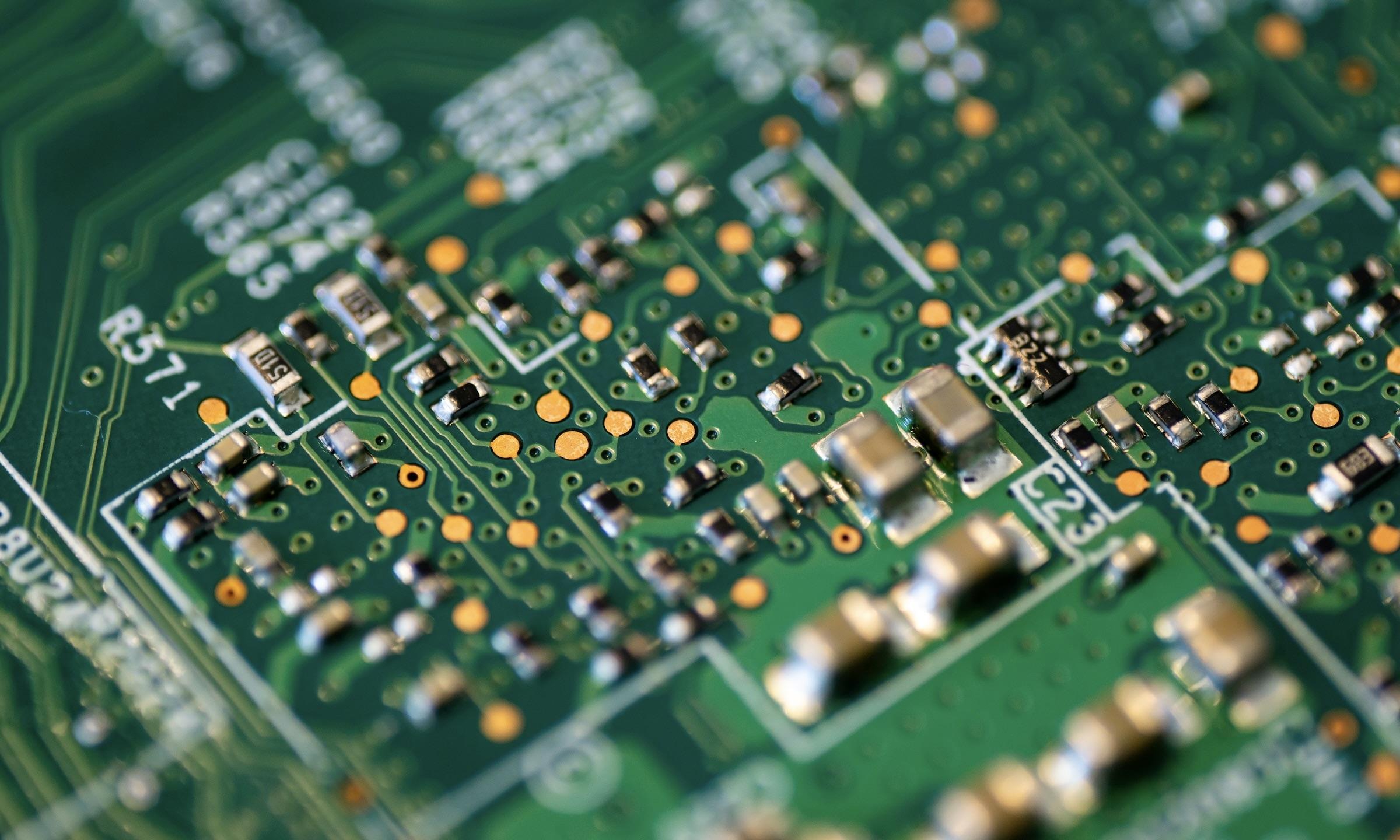
The world of computing has drastically evolved since the era of the ENIAC, the first general-purpose computer.
Today, computing power is a vital resource for nations, facilitating advancements in various fields, from engineering and science to government operations. The ability of a country to harness computing power efficiently plays a crucial role in leveraging its human and material resources to achieve policy objectives.
China's Focus on Supercomputing
Recognizing the importance of computing power, China has prioritized the development of supercomputers. A key player in this effort is Sunway, a frontrunner in China's push for domestic supercomputer advancements. At Supercomputing 23, Sunway showcased their SW20610-Pro processor, an upgrade from the SW20610 used in their Sunway TaihuLight supercomputer, which ranks 11th on the TOP500 list. The new Sunway supercomputer is poised to claim second place behind the U.S.'s Oak Ridge National Laboratory's Frontier supercomputer.
Sunway's Design Philosophy
Sunway's approach focuses on computing density, enhancing the SW20610's architecture, and modernizing its connectivity. This design strategy aims to secure a high ranking on performance lists like the TOP500. However, from a broader perspective, chasing high throughput metrics does not necessarily translate to faster resolution of technological problems. Sunway's current design, although high in throughput, overlooks aspects like cache, out-of-order execution, and high bandwidth memory, which can limit its effectiveness in practical problem-solving scenarios.
Comparing Supercomputing Approaches
In contrast, systems like Fugaku or Frontier are more balanced in their optimization efforts. For instance, the out-of-order execution on Fugaku's A64FX cores allows for near-optimal instruction scheduling, and Frontier's MI250X GPUs exploit thread-level parallelism. These features enable researchers to focus more on interpreting results rather than spending time on extensive code optimization.
The Broader Perspective of Computing Development
The development in computing technology is not just about creating powerful computers but making problem-solving more accessible and efficient. Innovations such as out-of-order execution, virtual memory, advanced compilers, and garbage-collected languages like C# or Java have made computing more user-friendly, allowing for more straightforward programming and problem-solving approaches.
Future of High-Performance Computing
While Sunway's current focus is on maximizing throughput, the hope is for future systems to adopt a more balanced approach, emphasizing accessibility and usability, even sacrificing peak performance. This shift would align better with the ultimate goal of high-performance computing: to facilitate faster and more efficient problem-solving.







