


 Singapore Straits Times Index Hits Record High as Banks, Property Stocks Rally
  India Services PMI Rises to 54.1 as Hiring Accelerates
  FTSE 100 Falls as US-Iran Conflict Drives Oil Prices Higher
  European Stocks Edge Higher as Bond Yields Ease
  Turkey Targets 5% Economic Growth by 2029
  US Oil Blockade Deepens Iran’s Economic Crisis
  Japan, US Target AI and Chips in $550 Billion Investment Push
  China Expands Influence in Global Gold Market
  U.S. Payrolls Seen Rebounding in August as Labor Market Stays Soft
  Hong Kong Eyes Offshore Yuan Expansion, Deeper China Market Links
  China Services PMI Beats Forecasts as Domestic Demand Improves
  Yen Extends Gains as BOJ Rate Hike Bets Rise
  Oil Prices Surge as U.S.-Iran Conflict Threatens Hormuz Supply
  Asian Stocks Rally as Fed Rate Hike Fears Ease
  US Tech Giants’ AI Bond Boom Raises Euro Zone Borrowing Risks
  Iran’s Hormuz Oil Pressure Fades as Gulf Crude Flows Continue
  Asian Stocks Rise as Bond Yields Ease, Oil Prices Stabilize


 Add as a preferred source on Google
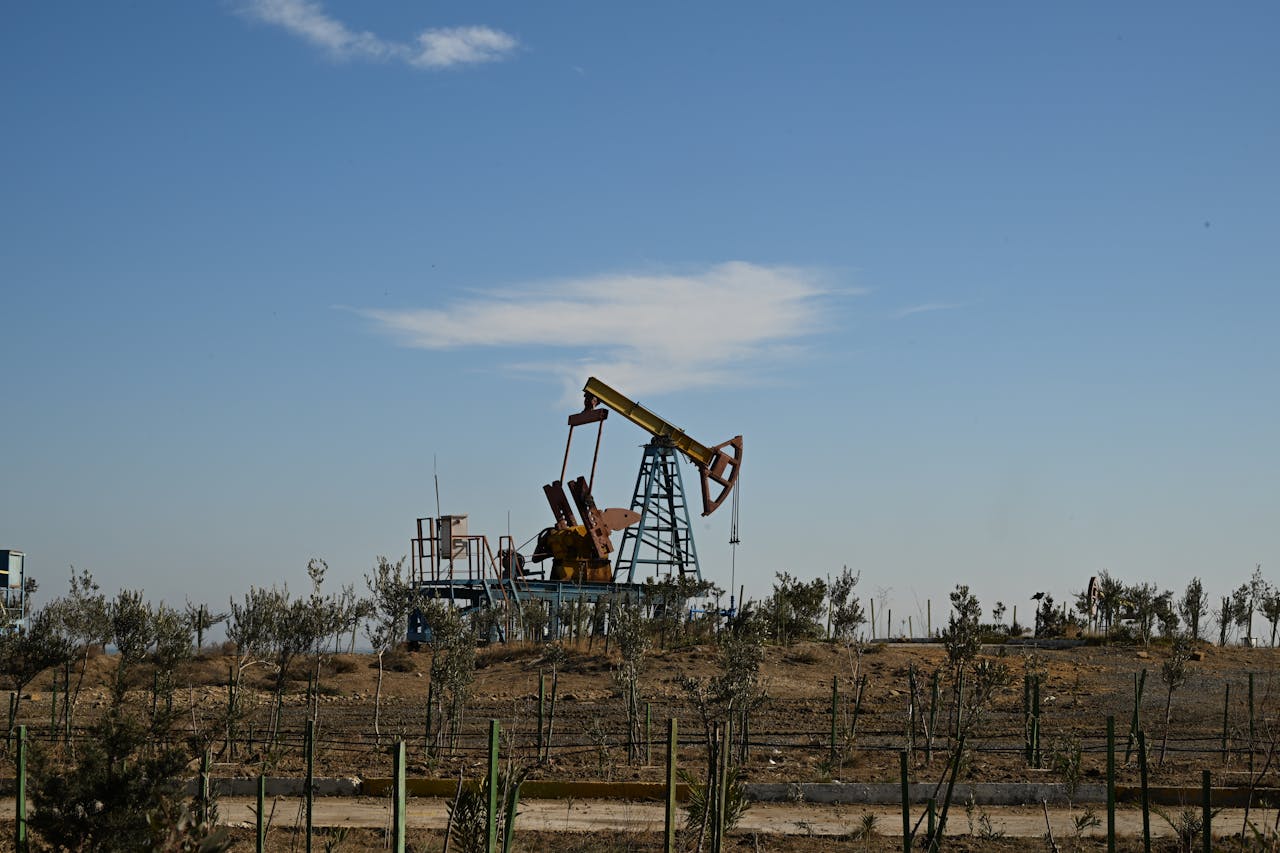
OPEC+ is expected to keep its oil production policy unchanged for October when members meet on Sunday, as the producer alliance shifts its focus toward establishing new output quotas for 2027.
Reuters reported that two people familiar with the discussions expect the group to pause further production increases. The potential decision comes as the ongoing war with Iran disrupts crude exports through the Strait of Hormuz, weakening the impact that OPEC+ production changes have on global oil prices and supply.
In August, OPEC+ agreed to increase production for September, completing the gradual reversal of a 1.65 million barrel-per-day supply cut introduced in 2023.
However, actual OPEC+ production remains significantly below official targets because of the conflict and disruptions affecting regional oil shipments. As a result, previous increases in production quotas have translated into smaller additions to physical crude supply than headline figures indicate.
The 21-member OPEC+ alliance, which includes members of the Organization of the Petroleum Exporting Countries, Russia and other major oil producers, still has another layer of production cuts scheduled to remain in effect through the end of 2026.
Before deciding whether those remaining cuts should be gradually removed, OPEC+ members must assess their production capacity and establish new output baselines for 2027. These baselines are particularly important because they will determine how individual production quotas are distributed among participating countries.
Negotiations over the new production baselines are expected later this year, increasing the likelihood that OPEC+ will avoid additional output increases during the fourth quarter.
The expected October pause comes as wartime disruptions in the Strait of Hormuz reshape global oil flows. Shipping constraints are currently having a greater influence on the amount of crude reaching international markets than changes to OPEC+ production targets.
That dynamic has reduced the alliance’s traditional ability to influence crude oil prices through coordinated supply adjustments. Brent crude was recently trading around $95.85 per barrel, highlighting continued pressure on the global oil market as traders monitor both OPEC+ policy and developments surrounding the Strait of Hormuz.







