


 US, China Extend Trade Truce to Jan. 10 Ahead of Trump-Xi Summit
  Japan Private-Sector Growth Slows as Domestic Demand Weakens
  China’s ‘Lipstick King’ Says AI Won’t Replace Livestream Hosts
  Australia Unemployment Hits Five-Year High Despite Strong Jobs Growth
  Asian Currencies Mixed as Dollar Holds Near Two-Month High
  Oil Prices Surge as U.S.-Iran Diplomacy Hopes Fade
  Gold Prices Fall as Treasury Yields Rise on Fed Rate Hike Bets
  RBI Uses $10 Billion Currency Swaps to Drain Excess Rupee Liquidity
  U.S. Treasury Yields Surge as 30-Year Hits 22-Year High
  Trump, Xi Focus on Trade and AI at White House Summit
  U.S. Dollar Hits Two-Month High as Oil, Treasury Yields Surge
  South Korea, US Discuss Warship Building Cooperation
  Mexico-US Trade Talks Delayed to October as Tariff Negotiations Continue
  Fed Unveils Stablecoin Rules Under GENIUS Act
  European Stocks Slip as Iran Tensions Offset Strong Eurozone Data
  US Stock Futures Fall as Treasury Yields Surge Ahead of Trump-Xi Summit


 Add as a preferred source on Google
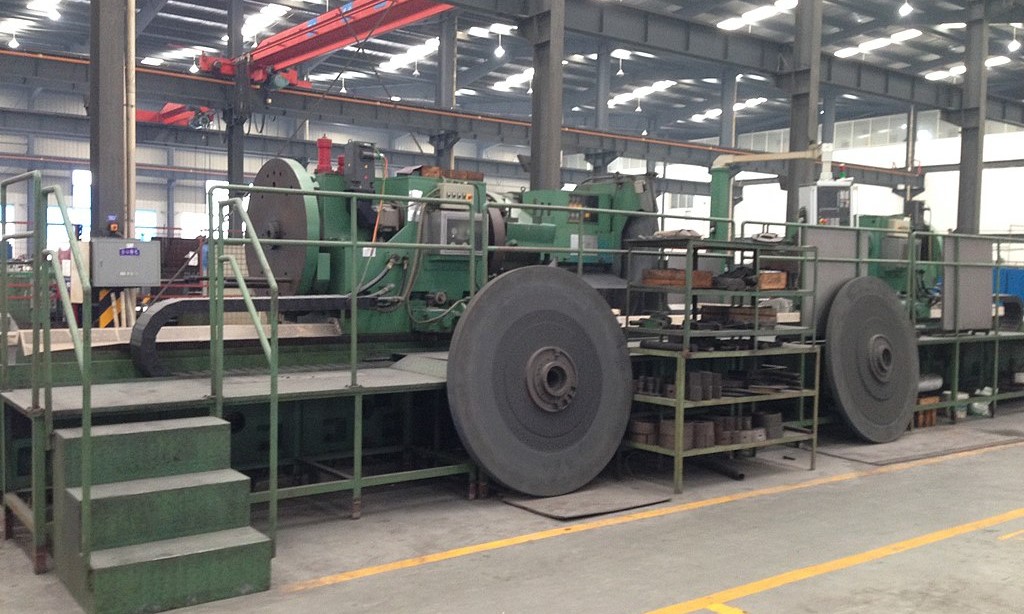
China’s industrial production expanded slightly more than expected in May, highlighting the resilience of the country’s manufacturing sector despite mounting economic challenges. According to official data released on Tuesday, industrial production increased by 4.5% year-over-year, surpassing market expectations of 4.4% and accelerating from April’s 4.1% growth rate.
The stronger-than-expected factory output was largely supported by robust overseas demand. Chinese manufacturers benefited from increased export orders as global buyers accelerated purchases amid ongoing uncertainty in shipping routes and energy markets. Exports have increasingly become a key driver of China’s economic growth in recent years, helping offset weakness in domestic consumption.
However, broader economic indicators revealed continued pressure on China’s internal demand. Retail sales, a key measure of consumer spending, declined by 0.6% in May compared with expectations for a 0.3% drop. The figure also marked a sharp reversal from the 0.2% increase recorded in the previous month, underscoring ongoing caution among Chinese consumers.
Meanwhile, fixed asset investment, which tracks spending on long-term assets such as infrastructure, machinery, and property, fell 4.1% in May. The decline was significantly worse than economists’ forecasts for a 2.3% contraction and represented the weakest pace of investment growth since mid-2020.
A prolonged downturn in China’s property sector continues to weigh heavily on business confidence and capital spending. The real estate crisis, which has persisted since the COVID-19 pandemic, remains one of the biggest obstacles to a stronger economic recovery.
Despite multiple stimulus measures introduced by Beijing, China’s economy has struggled to regain momentum over the past several years. Weak consumer confidence and slowing investment activity continue to limit growth prospects, leaving exports and manufacturing output as the primary sources of economic support.
The latest data suggests that while China’s industrial sector remains resilient, sustained economic growth will likely depend on a meaningful recovery in domestic demand and investment activity.







