


 US Senate Rejects Iran War Powers Resolution in 50-49 Vote
  US Immigration Arrests Surge as Deportations Lag Behind
  Judge Orders Trump to Restore White House Access for CNN, MS NOW and Politico
  FCC Approves Foreign Investment in $110B Paramount-Warner Bros. Deal
  DOJ Will Investigate AI-Related Crimes, Attorney General Blanche Says
  Russian Missile and Drone Attack on Kyiv Kills Two, Damages Maternity Hospital
  US Backs Musk in Fight Against EU’s €120 Million X Fine
  Europe Warns Russia Is Escalating Hybrid Attacks Across NATO
  US Judge Dismisses Imran Ahmed Deportation Lawsuit
  Australia Tightens Student Visa Rules, Targets Migration Cut by 2028
  Gaza Faces Evacuation Crisis as War-Damaged Buildings Risk Collapse
  Netanyahu Defends Israel at UN as Delegates Stage Walkout
  FAA Allows Boeing to Sell 35 More 777F Freighters Beyond 2028
  US Northeast Airports Resume Operations After Telecom Outage Disrupts Thousands of Flights
  Appeals Court Rejects Trump Third-Country Deportation Policy
  White House Bars CNN, MS NOW and Politico Reporters


 Add as a preferred source on Google
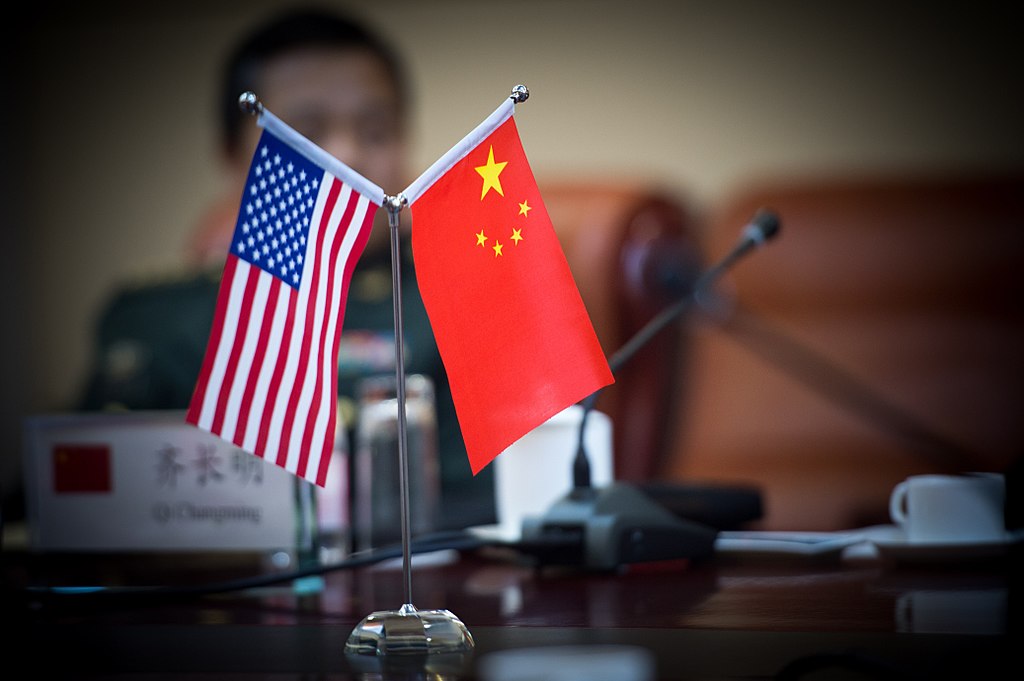
China has announced new visa restrictions on select U.S. personnel over their actions concerning Tibet, intensifying diplomatic tensions between the two countries. The decision, revealed during a regular press briefing by the Chinese Foreign Ministry on Monday, comes in direct response to recent U.S. visa restrictions targeting Chinese officials accused of limiting foreign access to Tibetan regions.
The United States had previously criticized Beijing for barring U.S. diplomats, journalists, and international observers from traveling freely in Tibet. Washington called for “unrestricted access” to the region, condemning China’s lack of transparency and human rights practices. In turn, Chinese Foreign Ministry spokesperson Lin Jian reiterated that Tibet-related matters are an internal affair and accused the U.S. of "abusing visa restrictions" in a way that "seriously violates international law."
Lin emphasized that Tibet remains open to foreign visitors under specific conditions, including group travel and pre-approved permits. Diplomats and journalists must still receive local government authorization. “China welcomes friendly people from other countries to visit, travel, and do business in Tibet,” Lin said, while stressing opposition to foreign interference on grounds of human rights, religion, or culture.
Tibet has long been a contentious issue in U.S.-China relations. China took control of Tibet in 1950, referring to it as a “peaceful liberation.” However, human rights groups and Tibetan exiles often describe China’s governance as repressive, citing religious restrictions and cultural assimilation policies.
The tit-for-tat visa actions reflect ongoing geopolitical friction between Washington and Beijing, with Tibet remaining a flashpoint in broader debates over sovereignty, human rights, and international access. The latest moves are likely to deepen tensions as both nations continue to assert competing narratives over Tibet’s status and treatment.







