


 US Stock Futures Fall as Treasury Yields Surge Ahead of Trump-Xi Summit
  Synthetic data could ease people’s concerns about privacy breaches. But who gets to create it?
  Mexico-US Trade Talks Delayed to October as Tariff Negotiations Continue
  Fed Unveils Stablecoin Rules Under GENIUS Act
  Fed’s Hammack Says Bond Yield Surge Is Not Driven by Inflation Fears
  FCC Approves Foreign Investment in $110B Paramount-Warner Bros. Deal
  Colombia Extradites FARC Dissident Leader ‘Spider’ to US
  Judge Orders Trump to Restore White House Access for CNN, MS NOW and Politico
  US 10-Year Treasury Yield at 6% Emerges as New Market Risk Threshold
  US Bans Canadian Alcohol, Motorcycles as Trade War Escalates
  FDA Approves Mirum’s Atebrioz for Rare Bone Disorder FOP
  Judge Blocks Trump Rule Limiting Foreign Student Visas
  Germany’s 2026 Growth Outlook Strengthens on Fiscal Spending
  US Judge Dismisses Imran Ahmed Deportation Lawsuit
  Gold Holds Near $4,275 as Rising Treasury Yields Fuel Fed Rate Hike Bets
  Pentagon Restarts Testosterone Testing for US Troops
  China Agrees to Buy 20 Million Tons of U.S. Coal


 Add as a preferred source on Google
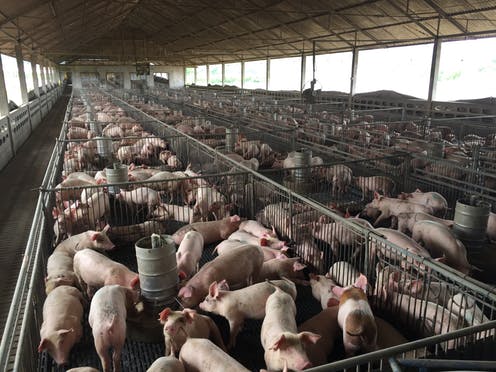
China is tightening regulations on a speculative livestock practice known as "refattening," where small-scale farmers and firms buy adult pigs from large breeders and fatten them further in hopes of rising pork prices. The government aims to stabilize the pork market, reduce price volatility, and curb excessive grain consumption in animal feed.
Refattening involves feeding market-ready pigs for a few more months to gain an extra 40–50 kg. While this bet can increase returns if pork prices rise, analysts warn it can amplify supply swings—leading to sharp price fluctuations and feed inefficiencies. With China pushing to reduce grain use and dependence on imported feed like U.S. soybeans, the practice is increasingly seen as problematic.
Pan Chenjun, a senior animal protein analyst at Rabobank, said the government wants to stabilize pork prices and protect smallholders from heavy losses. Refattening has become especially risky amid China’s ongoing pork oversupply and weak demand, which have pushed cash hog prices down to around 14 yuan per kilogram—significantly lower than the 21 yuan peak in August 2024.
Muyuan Foods, the nation’s largest pig breeder, announced it had stopped selling pigs to refatteners following policy rumors that briefly lifted pig breeding stocks. A crackdown is already in effect, particularly in Guangdong province, according to sources familiar with the matter.
Experts note that pigs over 120 kg become less feed-efficient, consuming more grain while producing diminishing weight gains. A 150-kg pig yields about 142% the meat of a standard 115-kg pig, but at greater feed costs.
With the pork industry facing supply and demand imbalances and feed reform goals, Beijing is determined to rein in refattening to protect long-term market stability.







