


 Trump Administration Plans 100% Tariffs on Pharmaceutical Imports
  Annie Altman Amends Sexual Abuse Lawsuit Against OpenAI CEO Sam Altman
  Cybersecurity Stocks Tumble After Anthropic's Claude Mythos AI Leak Sparks Market Fears
  McDonald's and Restaurant Brands International Face Headwinds Amid Iran Conflict and Rising Costs
  RBC Capital: European Medtech Firms Show Minimal Middle East and Energy Risk Exposure
  Ukrainian Drones and the #MadeByHousewives Movement: Kyiv Fires Back at Rheinmetall CEO
  Norma Group Posts Revenue Decline in 2025, Eyes Modest Recovery in 2026
  Luxury Car Sales in the Middle East Take a Hit Amid Iran War
  Nomura Upgrades PDD Holdings to Buy, Calls Stock Too Cheap to Ignore
  KPMG UK Cuts 440 Audit Jobs Amid Low Attrition and Cooling Professional Services Demand
  Novartis to Acquire Biotech Firm Excellergy in $2 Billion Deal
  Federal Judge Blocks Pentagon's Blacklisting of AI Company Anthropic
  Europe's Aviation Sector on Track to Meet 2025 Green Fuel Mandate
  Chinese Universities with PLA Ties Found Purchasing Restricted U.S. AI Chips Through Super Micro Servers
  Brazil Meat Exports Weather Iran War Disruptions With Rerouted Shipments
  SpaceX Eyes Historic IPO at $1.75 Trillion Valuation
  Russell 1000 Companies Hit $2.2T Cash Record While Aggressively Reinvesting in Growth


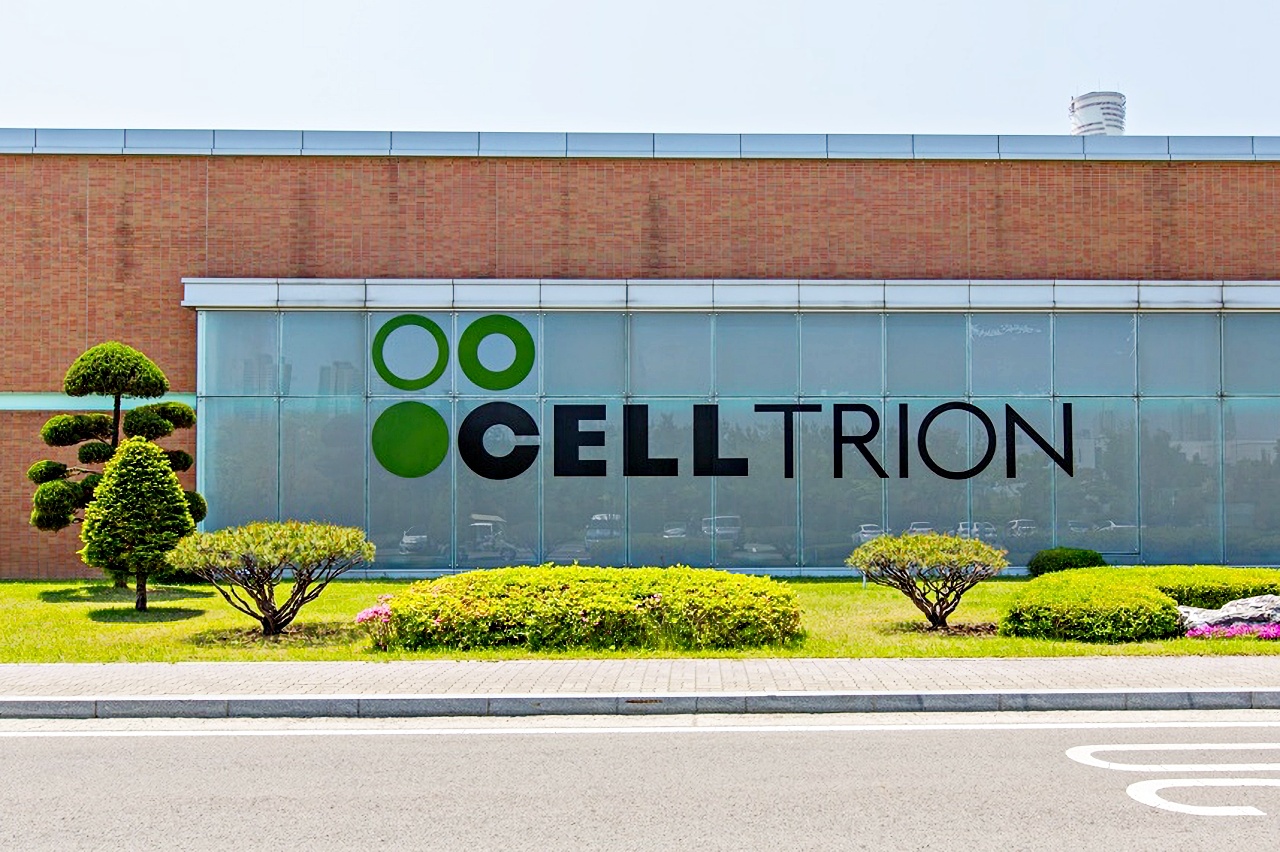
South Korean biopharmaceutical leader Celltrion has announced plans to invest up to 700 billion Korean won (approximately $478 million) to expand manufacturing capacity at its U.S. facility. The company’s decision comes amid increasing demand for its biosimilar products in the American market and the growing impact of U.S. tariffs on overseas pharmaceutical production. By enhancing its U.S. operations, Celltrion aims to strengthen supply chain stability, reduce tariff-related costs, and meet rising expectations for locally produced biopharmaceuticals.
The planned expansion underscores Celltrion’s strategy to secure a stronger foothold in the world’s largest pharmaceutical market. As demand for biosimilars continues to rise—driven by the need for more affordable alternatives to high-cost biologics—Celltrion is positioning itself to respond rapidly to market growth and competitive pressures. Investing directly in U.S.-based infrastructure allows the company to increase production volume, improve delivery timelines, and better navigate shifting trade policies that affect internationally produced medical products.
According to Celltrion, the additional funding will support upgrades to existing manufacturing lines as well as the construction of new facilities designed to scale up output of key biosimilars. This includes treatments used in oncology, autoimmune disorders, and other major therapeutic areas where the company has established a global presence. By expanding its operational capacity, Celltrion aims to solidify long-term partnerships with U.S. healthcare providers and distributors, ensuring a more reliable supply of critical medicines.
The investment also aligns with broader industry trends, as pharmaceutical companies increasingly diversify production to minimize risks related to tariffs, supply chain disruptions, and regulatory changes. For Celltrion, strengthening its U.S. production base not only enhances competitiveness but also supports its ambition to become a dominant global player in biopharmaceutical manufacturing.
With this significant commitment, Celltrion is signaling confidence in the continued growth of the American biosimilar market and its ability to meet rising demand with high-quality, cost-effective treatments manufactured closer to end consumers.







