


 Dollar Holds Near Two-Month High as Yen Approaches 160
  Alcohol is one of the most dangerous drugs, yet its presence is ubiquitous in social settings and celebrations
  EQT Plans €1.7 Billion Sale of Parques Reunidos Stake
  U.S. Issues Cuba Health Alert as Illnesses Rise
  Gold Prices Fall as Treasury Yields Rise on Fed Rate Hike Bets
  AstraZeneca Shares Sink After Wainua Trial Misses Key Heart Disease Goal
  Asian Stocks Fall as Bond Yields Surge Ahead of Trump-Xi Summit
  Fed’s Hammack Says Bond Yield Surge Is Not Driven by Inflation Fears
  Japan Private-Sector Growth Slows as Domestic Demand Weakens
  Fed Unveils Stablecoin Rules Under GENIUS Act
  Hanmi Pharm Soars 30% on $2.3 Billion Genentech Obesity Drug Deal
  Oracle Shares Fall as New Mexico AI Data Center Faces Power Delays
  SMBC Eyes 20% VPBank Stake in Vietnam Expansion
  AMD Hits $1 Trillion as BofA Raises Price Target to $720
  China’s ‘Lipstick King’ Says AI Won’t Replace Livestream Hosts
  Oil Prices Fall on U.S.-Iran Hormuz Deal Hopes


 Add as a preferred source on Google
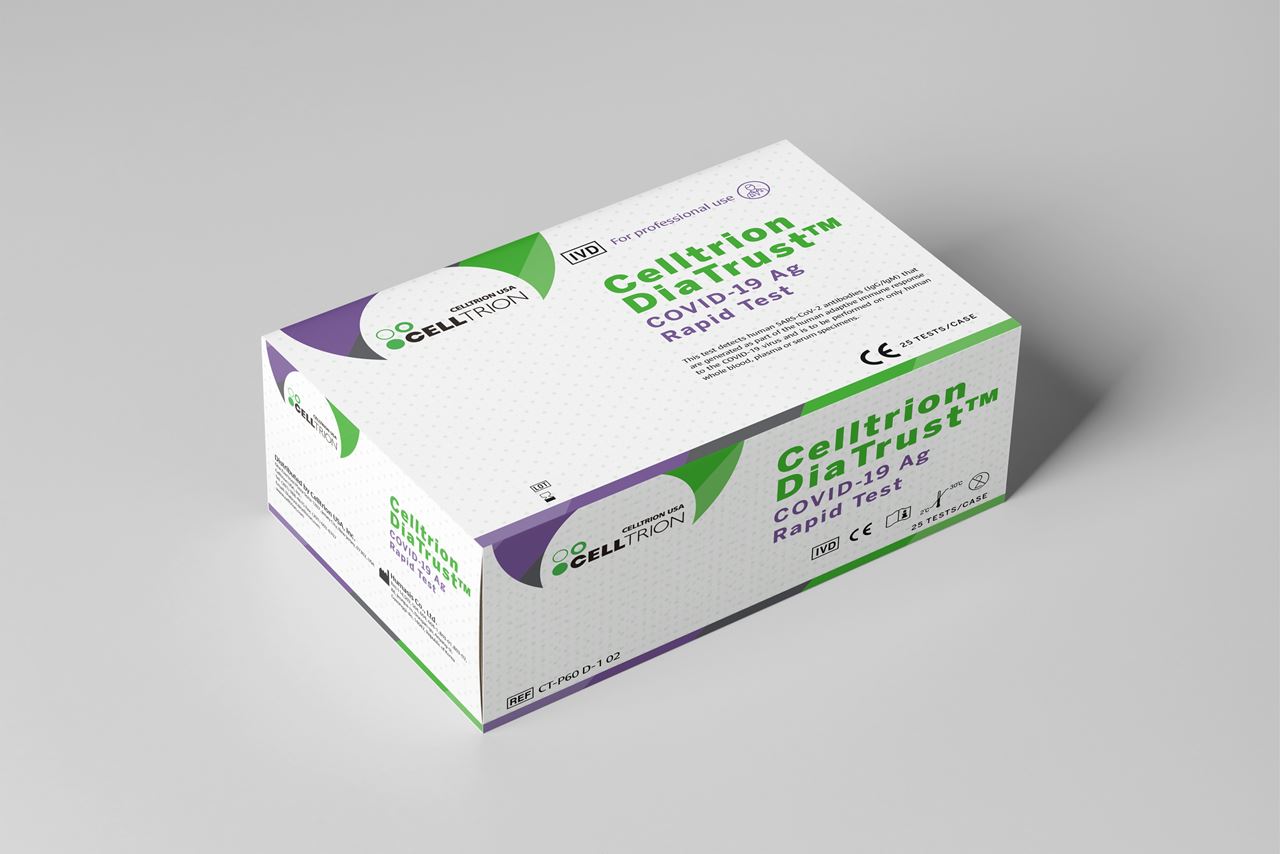
Seoul-based Celltrion resolves a major U.S. patent dispute with healthcare giant Johnson & Johnson, paving the way for a groundbreaking autoimmune therapy biosimilar targeting the lucrative $13.6 billion U.S. market.
This agreement allows Celltrion to introduce its pioneering CT-P43 biosimilar, a version of J&J's Stelara (ustekinumab), as a first-in-class offering in the U.S. biosimilar market. Pending approval from the U.S. Food and Drug Administration (FDA), the CT-P43 biosimilar is expected to launch on March 7, 2025.
As J&J's substance patents for Stelara approach expiration in the U.S. this September and in Europe by July 2024, Celltrion filed a submission with the FDA in June seeking approval of CT-P43. The company aims to receive marketing authorization by 2024.
J&J, the parent company of Janssen, originally developed Stelara, an autoimmune therapy that targets interleukin IL-12 and IL-23. It is widely prescribed for treating autoimmune diseases such as plaque psoriasis, psoriatic arthritis, Crohn's disease, and ulcerative colitis.
Celltrion's entry into the U.S. biosimilar market holds considerable promise, as the U.S. represents the largest market for ustekinumab globally. According to IQVIA, a renowned pharmaceutical market research organization, the global market for ustekinumab is projected to reach $17.7 billion in 2022, with the U.S. market accounting for a substantial $13.6 billion or approximately 77% of the total market size.
This recent achievement reinforces Celltrion's position in the autoimmune disease treatment market. In addition to the previously launched Remsima, Celltrion's biosimilar for J&J's Remicade (infliximab) used in rheumatoid arthritis, Crohn's disease, ulcerative colitis, ankylosing spondylitis, psoriatic arthritis, and psoriasis, the portfolio now expands to include interleukin inhibitors. This expansion enhances Celltrion's global competitiveness in the field.
An official at Celltrion emphasized the company's commitment to collaboration with the original drug developer, stating, "We have been amicably working towards making CT-P43 available in the U.S. market as soon as possible after approval. This patent settlement paves the way for us to capture a significant share of the largest ustekinumab market."
All eyes now turn to the FDA's decision on Celltrion's submission, which could potentially reshape the landscape of autoimmune disease treatment, benefiting millions of patients worldwide.
Photo: Celltrion Newsroom







