


 California's AI Executive Order Pushes Responsible Tech Use in State Contracts
  Alibaba Shares Slide as Jefferies Slashes Price Target Over AI Spending and Business Losses
  Annie Altman Amends Sexual Abuse Lawsuit Against OpenAI CEO Sam Altman
  Anthropic Fights Pentagon Blacklisting in Dual Federal Court Battles
  Australia's Social Media Ban for Under-16s Sparks Global Movement
  Microsoft Eyes $7B Texas Energy Deal to Power AI Data Centers
  Bendigo and Adelaide Bank Posts Strong Q3 Earnings, Announces AI-Driven Job Cuts
  MATCH Act Targets ASML and Chinese Chipmakers in New U.S. Export Crackdown
  NASA's Artemis II Mission: First Crewed Lunar Journey Since Apollo
  Samsung Electronics Posts Eightfold Profit Surge Driven by AI Chip Demand
  U.S. Disrupts Russian Military Hackers' Global DNS Hijacking Network
  Cybersecurity Stocks Tumble After Anthropic's Claude Mythos AI Leak Sparks Market Fears
  Apple's Foldable iPhone Faces Engineering Setbacks, Mass Production Timeline at Risk
  Bank of America Identifies Top Asia-Pacific Semiconductor Stocks Poised for AI-Driven Growth
  Elon Musk Ties SpaceX IPO Access to Mandatory Grok AI Subscriptions
  NASA Artemis II: First Crewed Moon Mission Since Apollo Takes Four Astronauts on 10-Day Lunar Journey


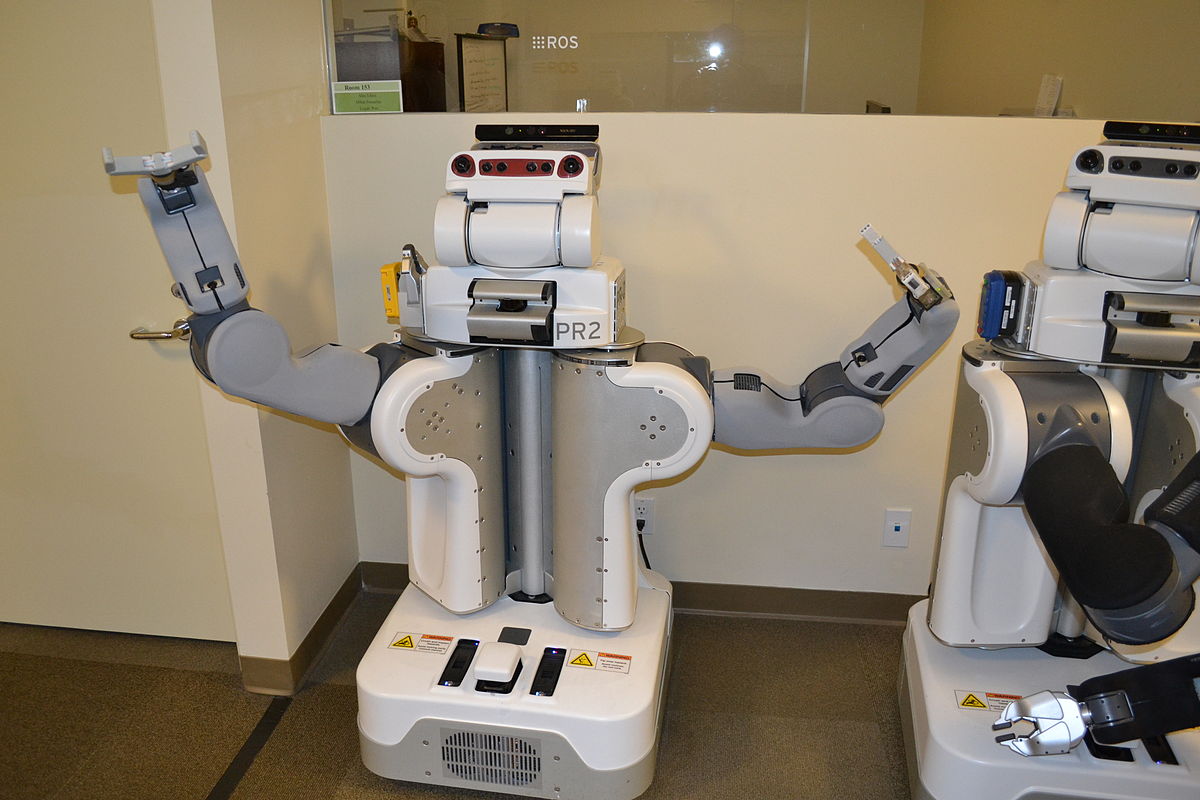

The widespread use of robots has long been debated, in part because many critics see them as a threat to jobs and livelihoods. Despite such concerns, robots and artificial intelligence (AI) are already being used in sectors such a healthcare, education and retail.
In time of crisis and catastrophes, however, robots and AI have proved that they can provide crucial assistance. For example, during the April 2019 fire at Notre-Dame Cathedral in Paris, drones were used to help firefighters better aim their fire hoses. Similarly, during the April 2015 earthquake in Nepal, AI and robots provided crucial assistance in mapping the region and targeting places in need.
Disaster-relief robotics in Nepal, Patrick Meier (TEDx Berlin).
The Wuhan example
With the enhanced capabilities of today’s robots, can we use them to help us navigate the coronavirus crisis, including the confinement measures that so many are facing today?
In fact, robots are already being used in Wuhan to deliver medicine to patients diagnosed with Covid-19, reducing human contact and thus the possibility of additional infections. Technological solutions go beyond hospitals, as many civilians are quarantined in their homes. In response, the Chinese government has provided logistics robots to deliver medical supplies and food to homes in Wuhan.
Food delivery robots in Wuhan, March 2020.
However, the virus can still be transmitted if an infected person touches a surface – including a robot – that is subsequently touched by another person. Chinese hospitals mitigate such risks through the deployment of robots that use powerful ultraviolet lights to disinfect rooms, including equipment such as robots. In Thailand, robots are also being used to protect overburdened medical staff, measuring a patient’s temperature while doctors and nurses speak to them via the robot.
Robots, first responders in time of crisis
Ground and airborne robots and human-robot interfaces can also support first-responders such as firefighters, aid workers and disaster deployment specialists. Rescue workers often face challenging conditions and such technologies can enable them to increase their efficacy, leading to faster response times and also reducing the risks they face.
For example, simulations run by researchers suggest that autonomous flying robots could be valuable in post-disaster search and assessment. Such robots could use post-disaster satellite imagery and real locations of damaged and inundated buildings to spot survivors and thus increase the chance of rescue workers reaching them more quickly. Purdue University researchers have developed hummingbird-sized drones that could fly where conventional aircraft can’t.
People in need prefer a human face
Despite the usefulness of robots, some research has indicated that their use can have negative effects on the mental and physical well-being of disaster victims. Disasters can create immense stress for victims, in particular those who are lost, trapped or injured. A sudden confrontation with a robot, without human support, may further exacerbate stress and anxiety in the victim.
Moreover, stakeholders may overestimate robot capabilities, particularly in rescue situations, and the appearance of such robots could create a false sense of hope for victims. Worse, technical mishaps in difficult terrains could even lead to further injuries. For example, if a guided or autonomous robot collided with a disaster victim.
While the advantages and disadvantages need to be carefully assessed, recent examples from Wuhan and Thailand indicate that when used in an conscientious manner, robots can be valuable partners in times of crisis.







