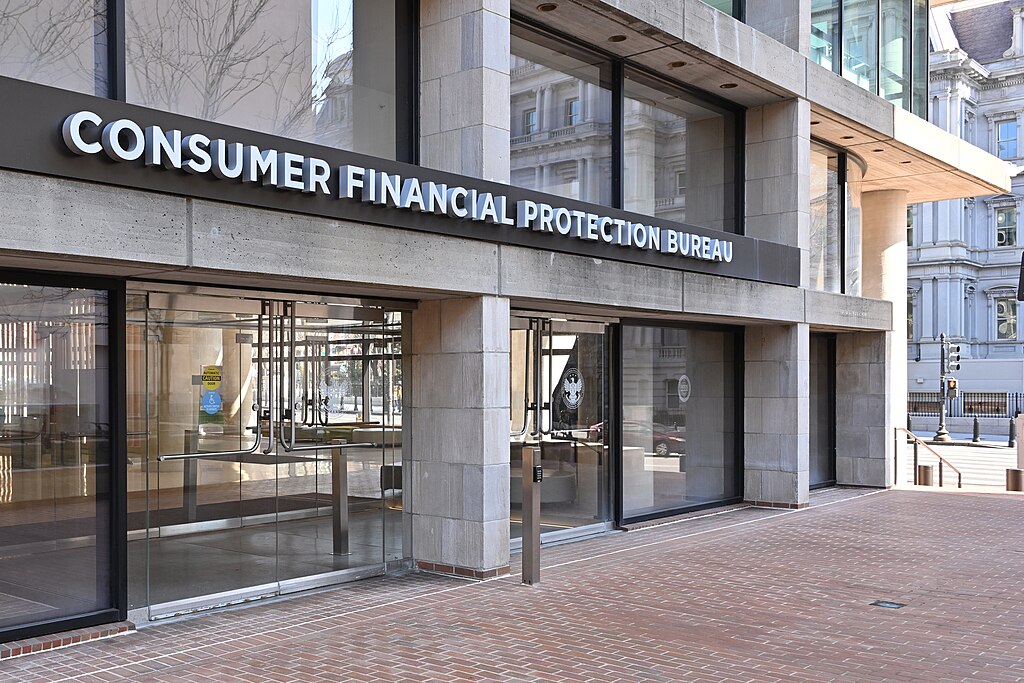
The U.S. Consumer Financial Protection Bureau (CFPB) has reached a $1.75 million settlement with online lender MoneyLion, resolving claims that the company overcharged military service members and their families on loans. The agreement, filed in Manhattan federal court, marks one of the agency’s final enforcement actions as it scales back operations due to budget constraints.
The CFPB originally sued MoneyLion in September 2022, alleging that the lender exceeded the legally permitted 36% interest rate cap for active-duty service members under the Military Lending Act. According to the agency, MoneyLion structured its loan program so that interest rates and mandatory membership fees combined to surpass the federal limit. The complaint also stated that MoneyLion prevented borrowers from canceling their memberships until all outstanding loan balances were paid, creating additional financial strain.
Under the settlement terms, MoneyLion will distribute compensation—primarily on a pro rata basis—to affected borrowers who took out loans between December 1, 2017, and October 11, 2024. The company has also agreed to allow borrowers to cancel memberships regardless of outstanding loan balances or unpaid fees. As is common in such settlements, MoneyLion did not admit or deny wrongdoing.
MoneyLion, a unit of Gen Digital, stated that while it disputes the CFPB’s allegations, it is “glad to put this matter behind us and focus on continuing to help Americans improve their financial lives.”
The settlement comes at a time of uncertainty for the CFPB. The Trump administration has long sought to dismantle the agency, and despite a federal judge blocking those efforts in March, acting director Russell Vought has largely halted enforcement activity amid significant funding shortfalls. Sources indicate the CFPB is attempting to shift its remaining enforcement cases to the U.S. Department of Justice as it winds down operations.
The conclusion of this case underscores ongoing scrutiny of lending practices affecting military families and highlights the shifting regulatory landscape for consumer protection in the U.S.