


 Eli Lilly Eyes AtaiBeckley Acquisition to Expand Psychedelic Mental Health Pipeline
  Venezuela Earthquake Health Risks Rise as Disease Monitoring Intensifies
  US Bans Canadian Alcohol, Motorcycles as Trade War Escalates
  Trump Grants Clemency to Jay-Z Associate Emory Jones
  US Northeast Airports Resume Operations After Telecom Outage Disrupts Thousands of Flights
  Pentagon Restarts Testosterone Testing for US Troops
  Novartis Shares Plunge After Muscle Drug Fails Phase III Trial
  SK Biopharmaceuticals Secures Global Rights to Biohaven Epilepsy Drug Opakalim
  DOJ Will Investigate AI-Related Crimes, Attorney General Blanche Says
  SEC Seeks ISS Client Voting Records in Proxy Adviser Probe
  Trump Administration Bars U.S. Travelers From Congo Flights Amid Ebola Outbreak
  FCC Approves Foreign Investment in $110B Paramount-Warner Bros. Deal
  Hims & Hers Shares Fall as GLP-1 Costs Widen Q2 Loss
  Should I take zinc or eat oysters to ward off colds, boost my immune system or improve fertility?
  US-Backed Pediatric HIV Treatment Drops After Foreign Aid Changes, Study Finds
  U.S. Issues Cuba Health Alert as Illnesses Rise
  Australia Tightens Student Visa Rules, Targets Migration Cut by 2028


 Add as a preferred source on Google
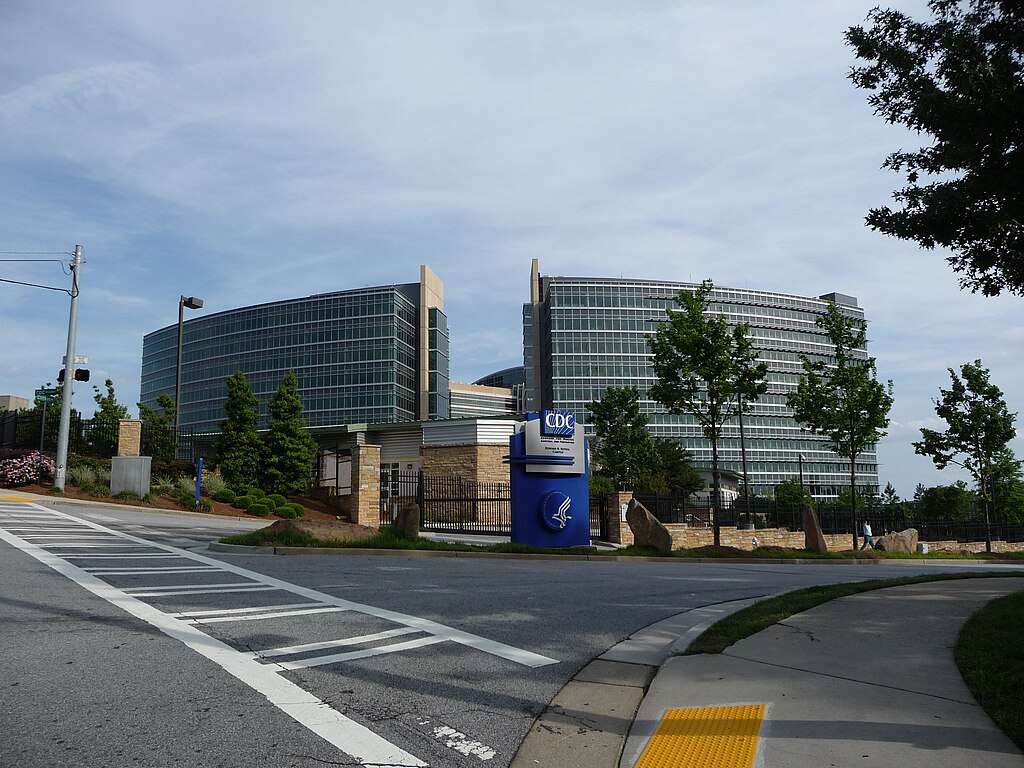
The U.S. Centers for Disease Control and Prevention (CDC) confirmed that an American healthcare worker tested positive for Ebola after working in the Democratic Republic of Congo (DRC), where officials are battling a rapidly spreading outbreak of a rare Ebola strain. Despite the confirmed case, the CDC stated that the immediate public health risk in the United States remains low.
According to health officials, the infected individual developed symptoms over the weekend after treating patients at Nyankunde Hospital in eastern Congo. The patient is expected to be transferred to Germany for specialized medical treatment, while six additional exposed individuals are also being relocated for monitoring and care. The outbreak in the DRC has already caused more than 100 suspected deaths and nearly 400 suspected Ebola cases, raising concerns among global health experts.
Medical teams and international health organizations are rushing to contain the virus, especially due to the delayed detection and rapid transmission in hard-to-reach regions. The CDC is deploying experts from Atlanta to support local response efforts and assist with outbreak containment strategies. U.S. authorities are also developing a monoclonal antibody therapy through the Biomedical Advanced Research and Development Authority (BARDA) to combat this Ebola strain.
The CDC additionally announced temporary travel restrictions affecting individuals who recently visited the DRC, Uganda, or South Sudan. The 30-day restrictions aim to reduce the risk of international Ebola transmission, although U.S. citizens, permanent residents, military personnel, and several exempt groups will still be allowed entry. Enhanced airport screening, traveler monitoring, contact tracing, and hospital preparedness measures are also being expanded nationwide.
Former CDC Director Dr. Thomas Frieden warned that staffing reductions and weakened global cooperation could make managing the current Ebola outbreak significantly more difficult compared to previous health emergencies. Health experts stress that international collaboration and early intervention remain critical to preventing a wider global health crisis.







