


 Oil Prices Ease as Iran Tensions Clash With Diplomacy Hopes
  Japan Private-Sector Growth Slows as Domestic Demand Weakens
  Asian Stocks Fall as Bond Yields Surge Ahead of Trump-Xi Summit
  Soybean Futures Slip as Traders Await Trump-Xi Trade Signals
  Trump, Xi Focus on Trade and AI at White House Summit
  Asian Currencies Mixed as Dollar Holds Near Two-Month High
  Dollar Holds Near Two-Month High as Yen Approaches 160
  Wall Street Ends Flat as Oil, Treasury Yields and Fed Jitters Rattle Markets
  Oil Prices Jump 3% as Houthi Attack Revives Supply Fears
  Fed Unveils Stablecoin Rules Under GENIUS Act
  Oil Prices Surge as U.S.-Iran Diplomacy Hopes Fade
  RBI Uses $10 Billion Currency Swaps to Drain Excess Rupee Liquidity
  Wall Street Falls as Treasury Yields Surge, Oil Rebounds on Iran Tensions
  European Stocks Fall as Bond Yields and Geopolitical Risks Weigh
  Gold Holds Near $4,275 as Rising Treasury Yields Fuel Fed Rate Hike Bets
  Australia Unemployment Hits Five-Year High Despite Strong Jobs Growth
  Gold Prices Fall as Treasury Yields Rise on Fed Rate Hike Bets


 Add as a preferred source on Google
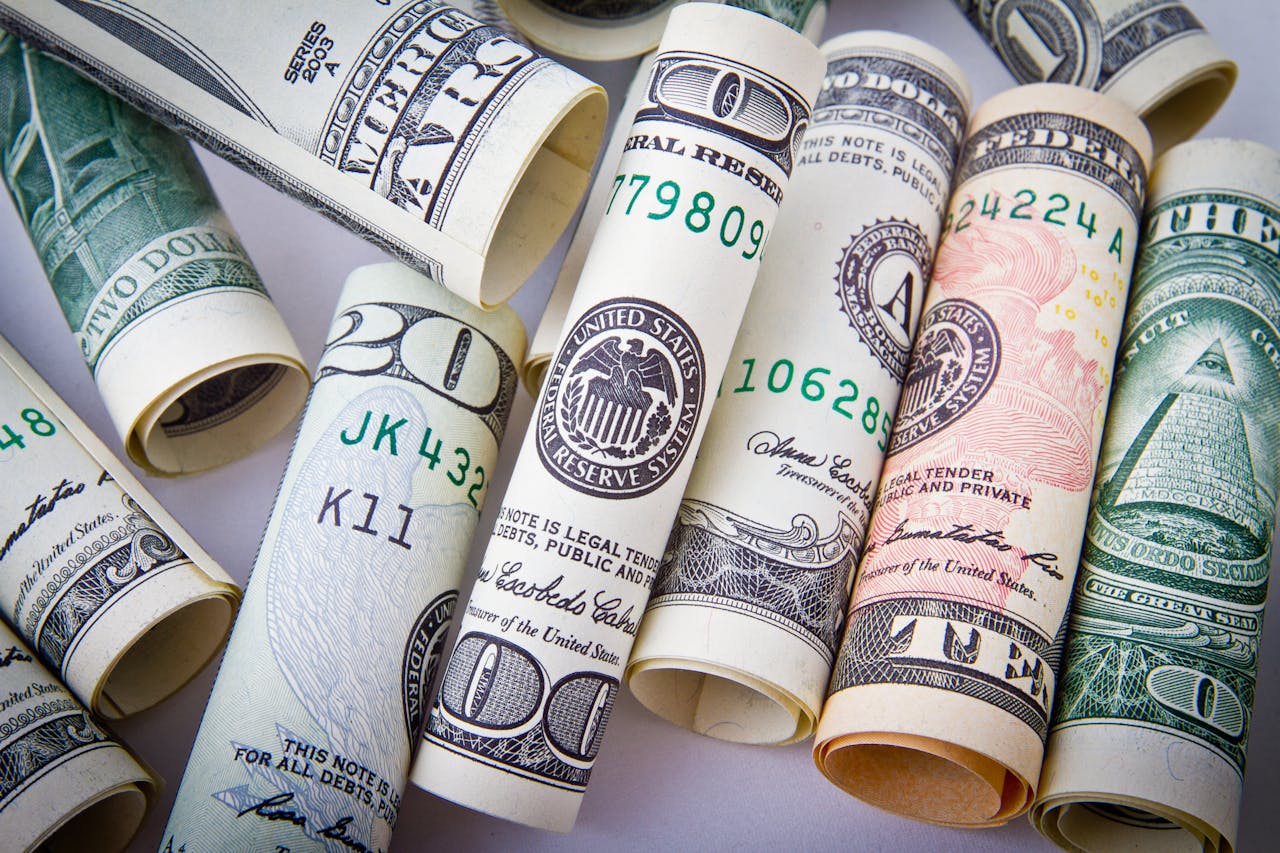
The U.S. dollar eased slightly on Monday after posting strong gains last week, as investors continued to react to rising geopolitical tensions in the Middle East and concerns over inflation. Despite the minor decline, the greenback remained supported by soaring oil prices, rising bond yields, and expectations that global interest rates could stay elevated for longer.
The dollar index and dollar futures both slipped around 0.1% after climbing more than 1% during the previous week. Market sentiment remained cautious as tensions between the United States, Israel, and Iran intensified. Reports suggested that additional military operations could be planned, while former President Donald Trump warned Tehran that time for a peace agreement was running out.
Oil prices surged roughly 2% after a drone strike targeted a nuclear power facility in the United Arab Emirates. The UAE blamed Iran for the attack, calling it a dangerous escalation. Higher energy prices increased fears of inflation, prompting a sharp sell-off in global bond markets and driving U.S. Treasury yields higher. The U.S. 10-year Treasury yield reached its highest level in nearly a year, while 30-year yields climbed to levels not seen since the 2008 financial crisis.
In Asia, the Japanese yen remained mostly unchanged despite rising expectations that the Bank of Japan may raise interest rates in June. Japanese bond yields also climbed to a 29-year high, although analysts believe any support for the yen may be temporary.
Meanwhile, the Chinese yuan weakened after disappointing economic data from China. Industrial production, retail sales, and fixed asset investment all showed signs of slowing growth in April, raising concerns about the strength of the world’s second-largest economy. Lingering uncertainty over U.S.-China trade agreements and the economic impact of the Iran conflict also pressured Asian currencies, including the Australian dollar.







