


 DOJ Will Investigate AI-Related Crimes, Attorney General Blanche Says
  Australia Unemployment Hits Five-Year High Despite Strong Jobs Growth
  Asian Stocks Fall as Bond Yields Surge Ahead of Trump-Xi Summit
  White House Bars CNN, MS NOW and Politico Reporters
  U.S. Imposes New Visa Restrictions Over South Africa Policies
  Appeals Court Rejects Trump Third-Country Deportation Policy
  Germany’s 2026 Growth Outlook Strengthens on Fiscal Spending
  Australia Tightens Student Visa Rules, Targets Migration Cut by 2028
  Oil Prices Fall on U.S.-Iran Hormuz Deal Hopes
  Japanese Yen Rebounds as Trump Flags Currency Weakness
  Canada Unveils Bill to Fast-Track Major Resource Projects
  Gold Holds Near $4,275 as Rising Treasury Yields Fuel Fed Rate Hike Bets
  China Agrees to Buy 20 Million Tons of U.S. Coal
  China Tightens Fentanyl Rules Ahead of Trump-Xi Summit
  US 10-Year Treasury Yield at 6% Emerges as New Market Risk Threshold
  FDA Approves Mirum’s Atebrioz for Rare Bone Disorder FOP
  RBI Uses $10 Billion Currency Swaps to Drain Excess Rupee Liquidity


 Add as a preferred source on Google
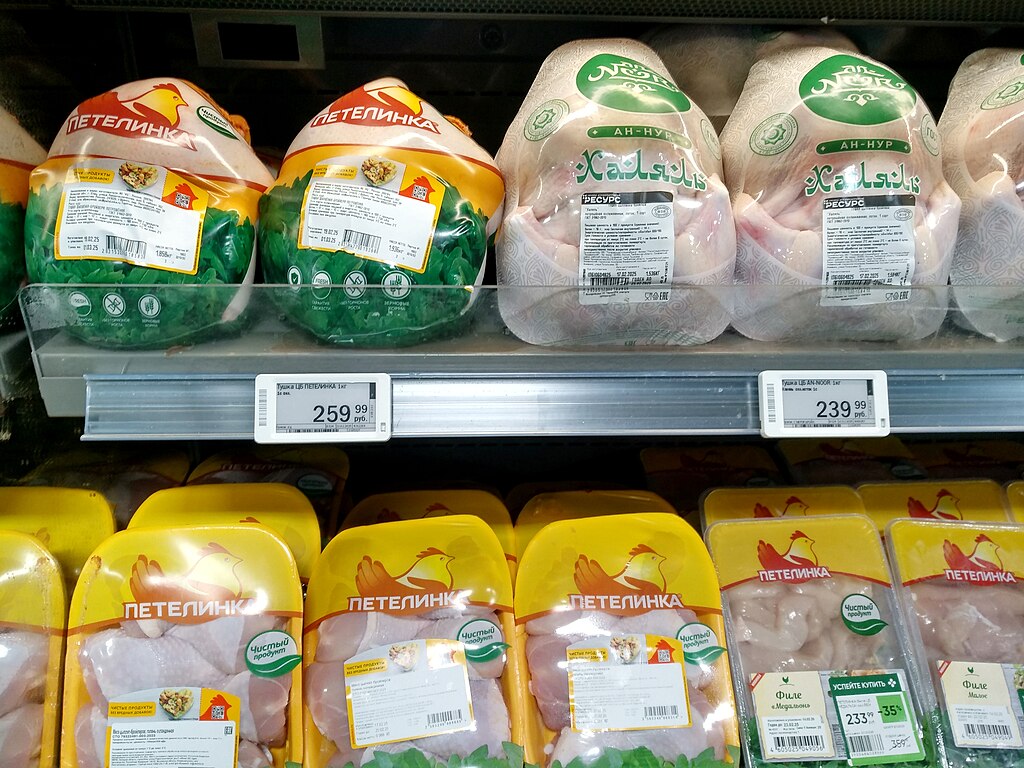
Brazil, the world’s top chicken exporter, is facing its first bird flu outbreak on a commercial farm, triggering bans from major importers like China, the EU, and South Korea. The outbreak occurred in Rio Grande do Sul, Brazil’s third-largest chicken-producing state. Officials hope that the bans will be limited to that region, as Japan, Saudi Arabia, and the UAE have already done.
Brazil’s Agriculture Ministry is actively sharing data to assure global buyers, emphasizing that broader bans could disrupt international poultry supply. Brazil supplies over 35% of global chicken exports and more than half of China’s poultry imports. Agriculture Minister Carlos Favaro expressed optimism that China may ease restrictions, especially given strong diplomatic ties between President Lula da Silva and President Xi Jinping.
Luis Rua, Brazil’s international secretary of agriculture, believes strong global demand will pressure countries to revise countrywide bans. A prolonged export ban could slash Brazil’s chicken shipments by 10%–20%, according to S&P Global analyst Renan Augusto Araujo.
The situation also impacts the U.S. poultry industry. Bird flu outbreaks and trade tensions have already prompted China to ban poultry from over 40 U.S. states. However, if Brazil’s export disruption deepens, China might revisit its stance on American poultry, especially under the terms of a 2020 Phase 1 trade deal that calls for lifting bans 90 days after bird flu is eradicated in affected states.
Greg Tyler, CEO of the USA Poultry and Egg Export Council, noted that China’s automatic 60-day suspension on Brazilian poultry is more lenient than the indefinite bans on U.S. states. "They’re getting a better deal than we are," he said, calling for fairer treatment in ongoing trade negotiations.
The industry now watches closely to see if Brazil can contain the outbreak and avoid wider fallout.







