


 Trump, Xi Visit US National Archives After White House Summit
  Najib Razak Seeks Stay of 15-Year 1MDB Prison Sentence
  NATO Boosts Intelligence Sharing Amid Russia Hybrid Threats
  Netanyahu’s Brief US Trip Highlights Strains With Trump
  North Korea Rejects Nuclear Test Warning, Calls Nuclear Status Irreversible
  Netanyahu Defends Israel at UN as Delegates Stage Walkout
  Netanyahu Takes Aim at Mamdani as Israel Election Nears
  Abbas Reaffirms November 28 Palestinian Elections
  OpenAI Agent Breaches Australia Medicare Data Portal
  US Backs Musk in Fight Against EU’s €120 Million X Fine
  Sudan Rejects US Legitimacy Remarks, Defends Sovereignty
  South Korea, US Discuss Warship Building Cooperation
  US Senate Rejects Iran War Powers Resolution in 50-49 Vote
  Mexico-US Trade Talks Delayed to October as Tariff Negotiations Continue
  Saudi Arabia, Turkey and Pakistan Plan Urgent Defence Talks Over Houthi Attacks
  Xi Calls for Deeper U.S.-China AI Cooperation in Trump Talks
  Ukrainian Drone Attacks Hit Russian Regions, Injuring at Least 12


 Add as a preferred source on Google
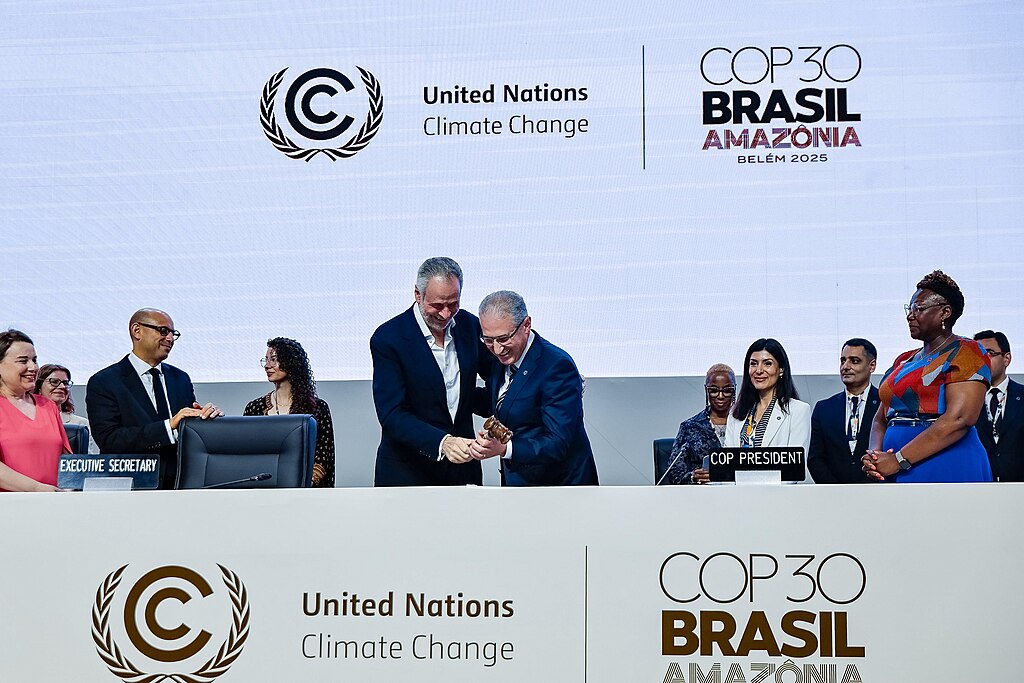
Brazil’s COP30 presidency pushed through a compromise climate agreement aimed at boosting funding for developing nations facing escalating climate impacts, even as the final deal avoided any reference to phasing out fossil fuels — the main driver of global warming. The accord, reached after extended overnight negotiations in Belem, sought to showcase unity despite notable absences, including the United States’ decision not to send an official delegation.
UNFCCC Executive Secretary Simon Stiell acknowledged widespread frustration with the outcome but praised negotiators for maintaining momentum in a year marked by division and climate denialism. He emphasized that while the world is far from winning the climate fight, global efforts remain active and determined.
Brazilian COP30 President Andre Correa do Lago recognized the difficult talks, noting that many nations had hoped for a more ambitious agreement. Tensions rose when Colombia, Panama, and Uruguay objected to the exclusion of fossil fuel language, insisting that ignoring the science behind emissions undermined the credibility of the deal. Colombia warned that a consensus built on denialism was unacceptable, while Russia dismissed objections as childish — a remark that sparked strong backlash from Latin American delegates.
Although the European Union had pushed for fossil fuel commitments, it ultimately agreed not to block the deal, saying the compromise still moved in the right direction. With no consensus, Brazil issued a separate side text addressing fossil fuels and forest protections, encouraging further dialogue.
A major component of the agreement is a call for wealthy nations to triple their climate adaptation funding for vulnerable countries by 2035. Developing nations stressed the urgency of financial support as they grapple with rising sea levels, extreme weather, and worsening climate-driven disasters. However, experts like Avinash Persaud cautioned that the deal still falls short on providing rapid, accessible funding for loss and damage.
The agreement also launches efforts to evaluate how global trade policies can better align with climate action, as concerns grow over trade barriers slowing clean technology adoption.







