


 Wall Street Surges as Meta Leads AI Rally, Oil Prices Fall
  Iran Vows ‘Crushing’ Response as US Talks Continue
  RBA Says ASX Still Falls Short on Governance and Risk Controls
  Burnham Eyes UK Leadership Role in AI Ahead of Trump Meeting
  Europe Jet Fuel Deficit Drives South Korean Imports to Four-Year High
  Scott Bessent Eyed as Trump’s New AI Czar
  Trump Board of Peace Unveils $2.45 Billion Gaza Recovery Plan
  Asia Stocks Rise on AI Demand as Oil Eases
  Zelenskiy Meets CIA Chief John Ratcliffe at Ireland’s Shannon Airport
  Russian Strikes Kill Eight Across Ukraine as Energy Sites Hit
  Asian Stocks Mixed Ahead of Trump-Xi Meeting
  Gold Prices Rise as Oil Slump Eases Fed Rate Hike Fears
  Asian Currencies Muted as Dollar Firms Ahead of Trump-Xi Summit
  Lula Meets Mamdani in New York as Elections Approach
  China Tightens Fentanyl Rules Ahead of Trump-Xi Summit


 Add as a preferred source on Google
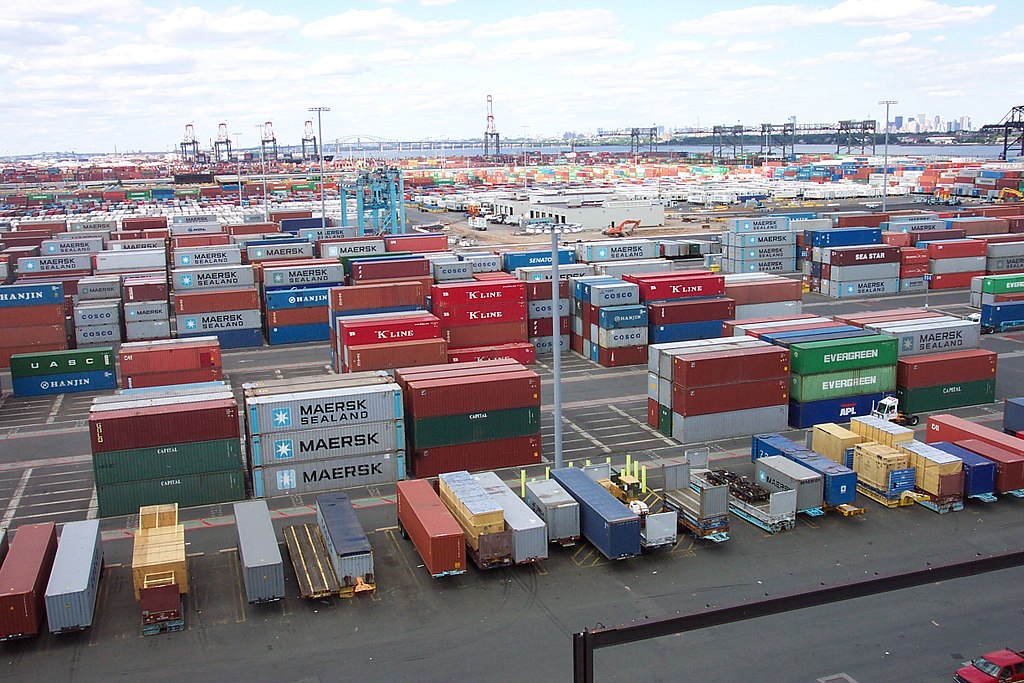
Brazil has formally requested consultations with the United States under the World Trade Organization (WTO) dispute settlement system, escalating its challenge against tariffs imposed by the Trump administration on Brazilian exports.
In a statement released Monday, Brazil’s Foreign Relations Ministry said the request targets recently announced U.S. tariffs, including a 25% duty on selected Brazilian goods tied to allegations of unfair trade practices. The complaint also covers tariffs of up to 12.5% applied to imports from dozens of countries, including Brazil, based on U.S. claims that trading partners have not adequately enforced bans on products linked to forced labor.
According to the Brazilian government, the measures violate U.S. commitments under the WTO’s General Agreement on Tariffs and Trade (GATT) 1994 as well as the Understanding on Rules and Procedures Governing the Settlement of Disputes. Brazil described the tariffs as "unjustified and inconsistent" with international trade rules and is seeking formal consultations as the first step in the WTO dispute resolution process.
The administration of President Luiz Inacio Lula da Silva had previously announced its intention to bring the issue before the WTO, arguing that the tariffs unfairly restrict Brazilian exports and undermine the rules-based global trading system.
This is not the first time Brazil has challenged Trump-era trade measures. Last year, the country filed a similar complaint at the WTO after an earlier round of U.S. tariffs affected Brazilian products. Those measures were later struck down by the U.S. Supreme Court.
The latest move underscores growing trade tensions between Brazil and the United States as both countries continue to dispute tariff policies and market access. The WTO consultation process provides an opportunity for the two nations to negotiate a resolution before the dispute advances to a formal panel.
The outcome of the consultations could have broader implications for U.S.-Brazil trade relations and for ongoing debates over the use of tariffs and trade enforcement measures within the global trading system.







