


 CTOC Adds 3,000 Doctors, 500 Hospitals Ahead of Liquidity Push
  SoftwareONE Posts 22.5% Revenue Surge in 2025 on Crayon Acquisition
  Europe's Aviation Sector on Track to Meet 2025 Green Fuel Mandate
  Novartis to Acquire Biotech Firm Excellergy in $2 Billion Deal
  Norma Group Posts Revenue Decline in 2025, Eyes Modest Recovery in 2026
  TSMC Japan's Second Fab to Produce 3nm Chips by 2028
  SMIC Allegedly Supplies Chipmaking Tools to Iran's Military, U.S. Officials Warn
  Ukrainian Drones and the #MadeByHousewives Movement: Kyiv Fires Back at Rheinmetall CEO
  BlackRock CEO Larry Fink Earns $37.7 Million in 2025 Amid Record Growth
  Russell 1000 Companies Hit $2.2T Cash Record While Aggressively Reinvesting in Growth
  Federal Judge Blocks Pentagon's Blacklisting of AI Company Anthropic
  Jefferies Upgrades Sodexo to Buy With €55 Target After Historic CEO Appointment
  Cathay Pacific Holds Firm on Flight Capacity Amid Middle East Conflict and Rising Fuel Costs
  Unilever and Magnum Face Defamation Lawsuit Over Ben & Jerry's Board Chair Dismissal
  Apple Turns 50: From Garage Startup to AI Crossroads
  Nike Beats Q3 Estimates but China Weakness and Margin Pressure Weigh on Outlook
  RBC Capital: European Medtech Firms Show Minimal Middle East and Energy Risk Exposure


Boeing returned to profitability in the fourth quarter, driven largely by the $10.6 billion sale of its digital aviation services provider Jeppesen, along with higher aircraft production and stronger deliveries. The U.S. planemaker reported net income of $8.22 billion, or $10.23 per share, compared with a $3.86 billion loss a year earlier, marking a significant financial swing after years of turbulence.
However, excluding the one-time Jeppesen windfall, Boeing posted a much deeper loss than analysts expected, underscoring persistent challenges across its core businesses. Losses in Boeing’s commercial airplane division reached $632 million for the quarter, while its defense and space unit recorded a $507 million loss. Investor sentiment was further dampened by a $565 million charge tied to the KC-46 aerial refueling tanker program, reflecting higher production support and supply chain costs. Boeing CEO Kelly Ortberg said the charge is expected to be a one-time event.
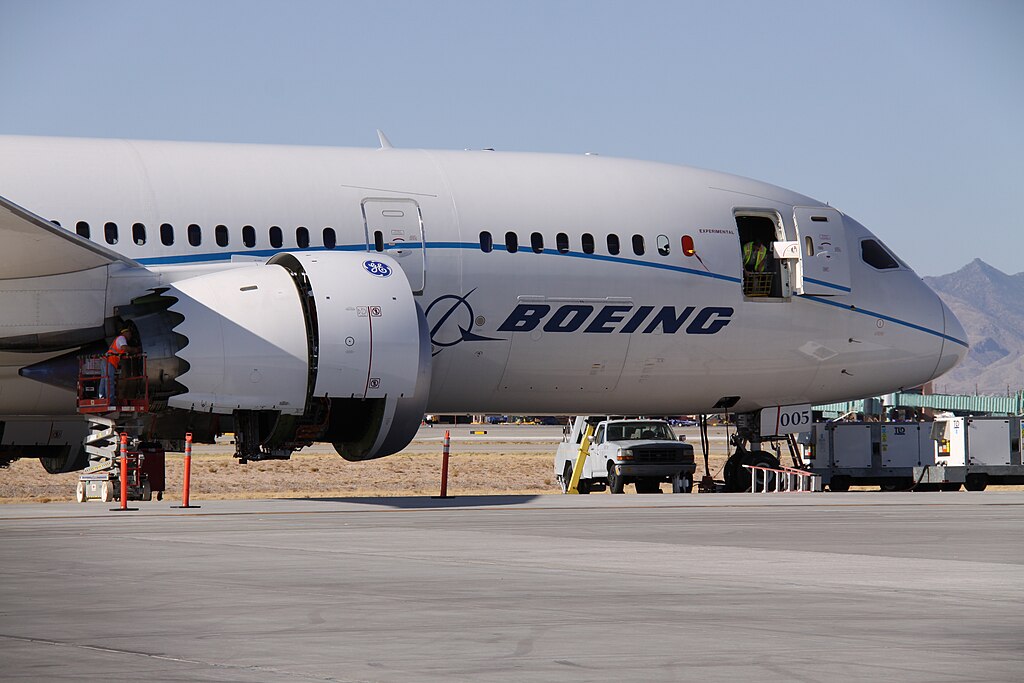
Despite these setbacks, Boeing continued to ramp up production of its most important aircraft programs. The company ended the year producing 42 Boeing 737 MAX jets per month and is working toward increasing output to 47 per month in 2026. Production of the Boeing 787 Dreamliner is also rising, with plans to reach 10 aircraft per month. Boeing delivered 600 commercial airplanes last year, its highest total since 2018, signaling gradual recovery from years of crises involving safety issues, the pandemic, supply chain disruptions, and labor challenges.
Boeing generated $375 million in free cash flow during the fourth quarter, although it still burned $1.9 billion for the full year due to certification delays affecting the 737 MAX and 777X programs. CFO Jay Malave said the company expects between $1 billion and $3 billion in positive free cash flow this year, depending on program timelines.
Fourth-quarter revenue jumped 57% to $23.95 billion, beating analyst expectations. Still, Boeing shares fell more than 2% as markets weighed improving production against ongoing operational and financial risks.







