


 Stellar Integrates Chainlink to Unlock $3.54 Billion in Tokenized Assets
  Fed’s Williams Sees One More Rate Hike in 2026, None in 2027
  Crypto Derivatives Dashboard: Bulls Retain Control Amid $488M Liquidation Flush
  AI Crypto Payments Surge to 138 Million Transactions on Base
  BOJ Signals Faster Rate Hikes as Inflation Risks Grow
  Fed Minutes Signal Another Rate Hike by Year-End
  Visa Wins China Approval to Prepare Domestic Payments Expansion
  Binance to Shut Down Crypto Mining Pool Services on November 10
  BlackRock’s Rick Rieder Favors Bonds Over Stocks as Treasury Yields Surge
  Fed’s Hammack Says Bond Yield Surge Is Not Driven by Inflation Fears
  Arthur Hayes Announces FLOP Testnet Launch Within Weeks


 Add as a preferred source on Google
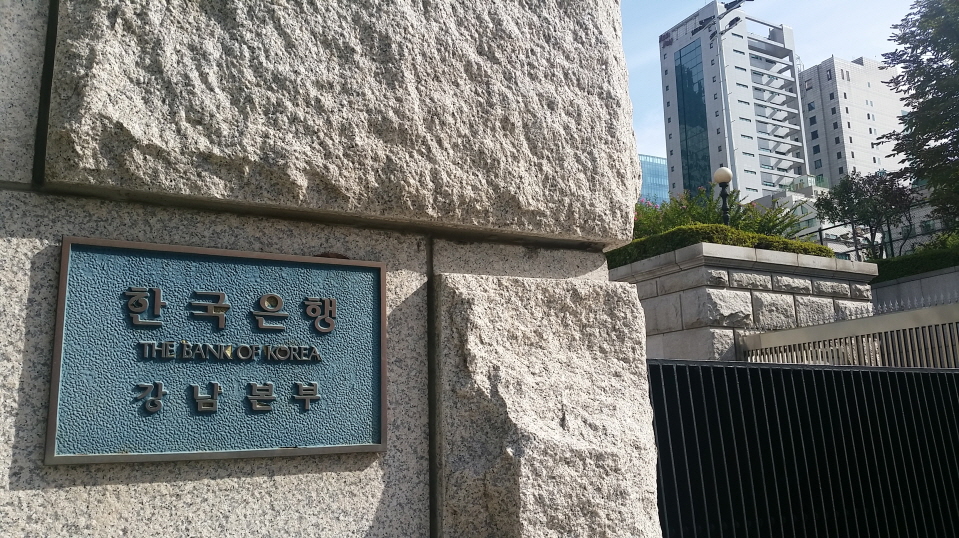
The argument that the BoK has to raise the policy rates along with the US Fed's rate hikes to prevent potential capital outflows is not defended by the most market participants, including the central bank and us.
The Korean won has never been an interest rate-sensitive currency historically, and policymakers usually worry about its "excessive" strength compared with the Japanese yen. However, the recent rise in the USD/KRW exchange rate raises concern on capital outflows.
Although the KRW may still be strong on the basis of nominal or real effective exchange rates, the pace of the rise in the USD/KRW (from 1,070 to 1,170 within 3 months) and the current level of the USD/KRW (highest since May 2012) look worrisome.
The anticipation of the impending US Fed rate hike is considered a main driver behind the rise in the USD/KRW, so we can easily imagine a situation whereby the USD/KRW breaks the psychologically important level of 1,200 when the US Fed actually implements the rate hike, probably in September.
It is observed that the last time the USD/KRW broke the 1,200 level in May 2010 owing to heightened geopolitical risks in the Korean peninsula. Of course, we don't think that the BoK will raise its policy rate to prevent capital outflows when the US Fed starts its rate lift-off. But it should be difficult for the BoK to cut rates in H2 this year as further monetary easing could lead to a further rise in USD/KRW exchange rates, worsening concern regarding capital outflows and destabilizing the overall financial market in Korea. Higher USD/KRW can be interpreted as a precursor of another financial turmoil.







