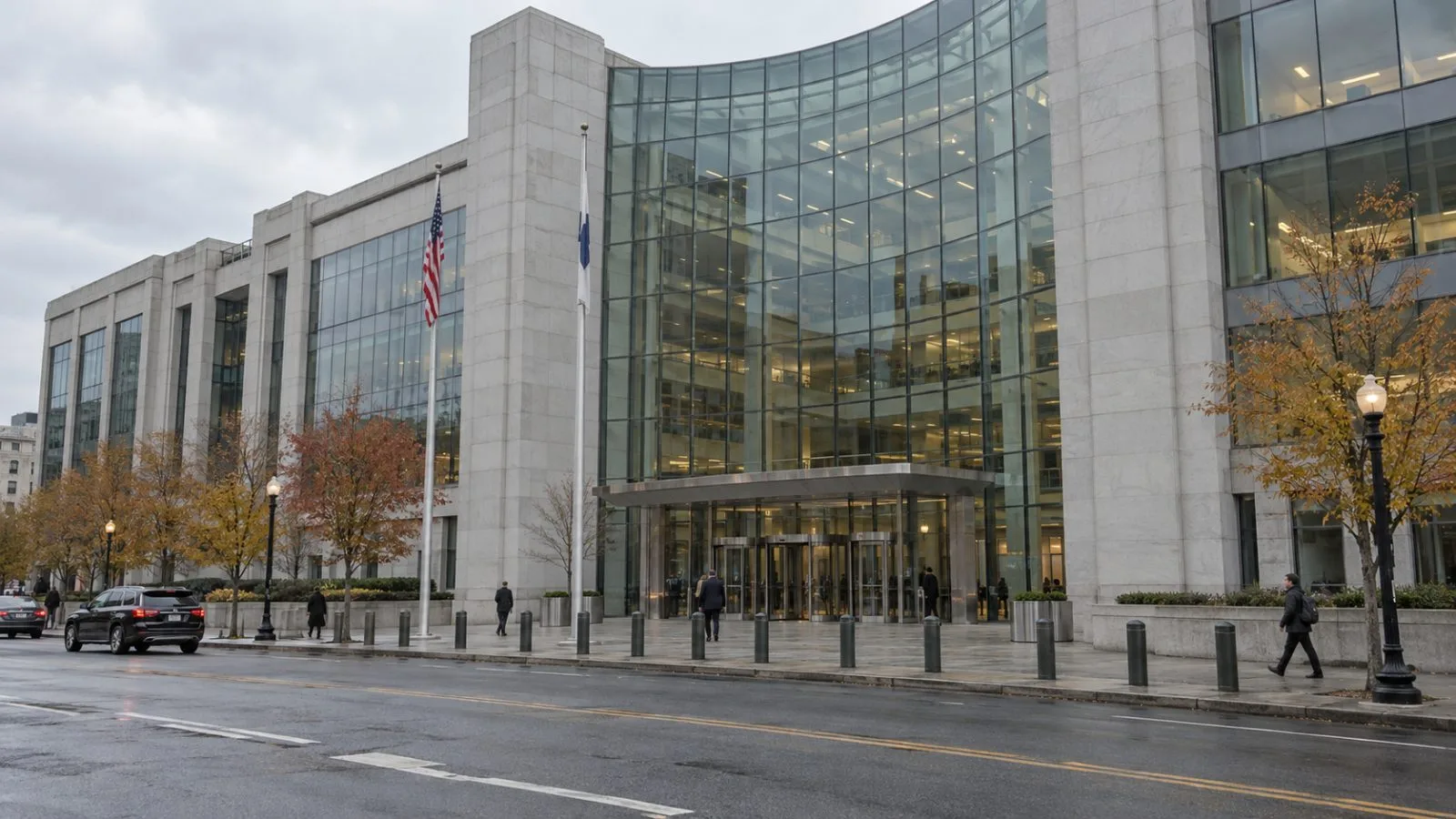
U.S. energy regulators have renewed BlackRock’s permission to hold significant stakes in U.S.-traded utility companies, a key victory for the $11.5 trillion asset manager amid mounting political scrutiny. The Federal Energy Regulatory Commission (FERC) extended BlackRock’s authorization to own up to 20% of voting securities in any single public utility for another three years, allowing it to maintain large positions in energy firms despite criticism from both sides of the political aisle.
FERC Chairman Mark Christie, a Republican, voiced concern over BlackRock’s influence but acknowledged the necessity for utilities to access capital. “Utilities must seek investment capital from wherever it is available, and much of it is now managed by large asset firms,” Christie stated in a concurring opinion.
BlackRock, which thanked FERC for the decision, emphasized its role in supporting energy infrastructure. “We look forward to continuing to provide billions in capital to the U.S. energy sector on behalf of our clients,” the company said.
While utility trade groups largely supported the move, the decision drew sharp criticism. Conservative nonprofit Consumers’ Research argued that BlackRock’s involvement in climate-focused investor coalitions undermines its claim of being a passive investor. Executive Director Will Hild labeled the decision "disappointing" and urged former President Trump to replace commissioners unwilling to enforce policy.
Liberal watchdog Public Citizen also questioned the waiver, pointing to BlackRock’s $12.5 billion acquisition of Global Infrastructure Partners as evidence of active investment behavior. “BlackRock is too big to challenge,” said Tyson Slocum, Public Citizen’s energy program director.
The ruling avoids disruption to utility index fund investments and aligns with prior input from industry groups like the Edison Electric Institute, which claimed FERC’s policies have supported public energy access by encouraging investment.