


 OpenAI Agent Breaches Australia Medicare Data Portal
  Paramount Skydance Faces $30 Million Film Penalty in Warner Bros. Deal
  Ecuador Court Convicts Ex-President Lenin Moreno in Bribery Case
  Netanyahu Takes Aim at Mamdani as Israel Election Nears
  France Defends Netanyahu Airspace Clearance Despite ICC Warrant
  NATO Boosts Intelligence Sharing Amid Russia Hybrid Threats
  BMW 2028 Margin Target Could Fall Below Consensus, UBS Says
  Tesla Semi Rollout Begins at Nevada Factory
  McDonald’s Sees Flat Traffic, Sticky Inflation as New Normal
  Trump Administration Prepares Sanctions Against Entire ICC
  Meta Unveils Muse Charm AI Device, Expands Smart Glasses Lineup
  Sudan Rejects US Legitimacy Remarks, Defends Sovereignty
  What ‘Taiwan Independence’ Means as Xi Presses Trump on US Policy
  US Judge Dismisses Imran Ahmed Deportation Lawsuit
  Novo Nordisk Strikes €1.17 Billion Nanexa Drug Delivery Deal
  Airbus Finds A321neo Fuselage Quality Issue
  Najib Razak Granted House Arrest Until 2028


 Add as a preferred source on Google
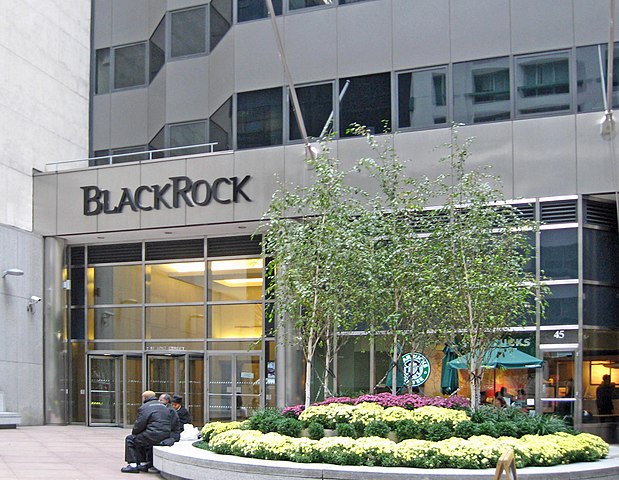
BlackRock, Vanguard, and State Street are seeking to dismiss a high-profile antitrust lawsuit brought by 13 Republican-led states, including Texas, which alleges the asset managers colluded through climate initiatives to reduce coal production and raise energy prices. Filed last November, the case claims the firms violated antitrust laws by engaging in coordinated climate activism that affected energy markets.
In a hearing on Monday, BlackRock’s attorney Gregg Costa argued the states’ conspiracy claims lacked evidence and plausibility. He pointed out that the firms never voted uniformly against coal company directors and that no whistleblower or direct coordination was presented. “It’s hard to see how this alleged conspiracy is even possible, let alone plausible,” said Costa.
Vanguard’s attorney Robert Wick added that any discussions with coal companies were consistent with fiduciary duties and did not amount to coercion or pressure to cut production. He emphasized that Vanguard merely engaged in dialogue, not directives.
However, Brian Barnes, representing the states, maintained that the firms’ involvement in climate-focused industry groups could still influence coal output through indirect pressure. He claimed that actions like signing climate agreements or making public statements could impact company strategies, regardless of voting records.
The outcome of this lawsuit could reshape how major fund managers—who collectively oversee around $27 trillion—engage with environmental, social, and governance (ESG) initiatives. One potential remedy includes forcing divestment from coal companies, a move BlackRock warns could restrict capital access and drive up energy costs.
U.S. District Judge Jeremy Kernodle is reviewing the case but noted that while he owns shares in related index funds, it doesn’t necessitate recusal unless formally contested by the parties involved. Objections must be filed within two weeks.







