


 Judge Orders Trump to Restore White House Access for CNN, MS NOW and Politico
  EU Defence Build-Up Too Slow for 2030 Russia Readiness Goal
  Mexico-US Trade Talks Delayed to October as Tariff Negotiations Continue
  France Defends Netanyahu Airspace Clearance Despite ICC Warrant
  Taiwan Thanks US for Support Ahead of Trump-Xi Summit
  US Backs Musk in Fight Against EU’s €120 Million X Fine
  Netanyahu Takes Aim at Mamdani as Israel Election Nears
  Netanyahu Defends Israel at UN as Delegates Stage Walkout
  Yemen Violence Displaces 130,000 as Civilian Toll Rises
  Russian Missile and Drone Attack on Kyiv Kills Two, Damages Maternity Hospital
  Trump, Xi Focus on Trade and AI at White House Summit
  Trump, Xi Visit US National Archives After White House Summit
  What ‘Taiwan Independence’ Means as Xi Presses Trump on US Policy
  North Korea Warns South Korea Over US-Led Defense Role
  OpenAI Agent Breaches Australia Medicare Data Portal
  Saudi Arabia, Turkey and Pakistan Plan Urgent Defence Talks Over Houthi Attacks
  North Korea Rejects Nuclear Test Warning, Calls Nuclear Status Irreversible


 Add as a preferred source on Google
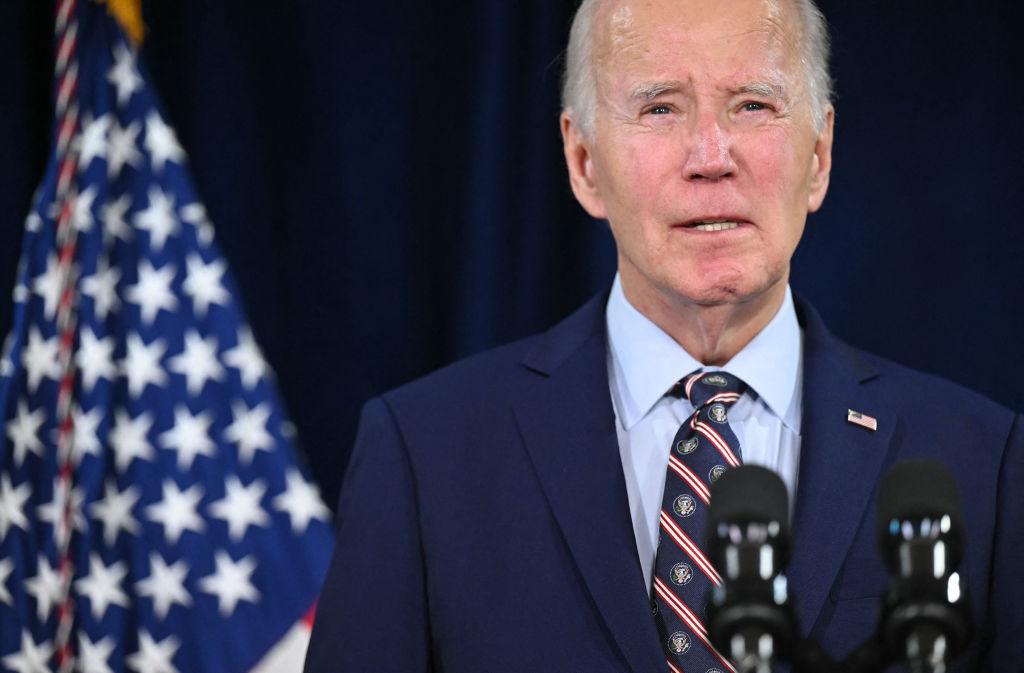
President Joe Biden has made headlines once again with a groundbreaking decision impacting over 42,000 federal workers. By signing a “work-from-home deal,” Biden effectively secures remote work arrangements for these employees, a move that prevents high-profile figures like Elon Musk and Vivek Ramaswamy from mandating full-time office returns. This decision highlights the administration's commitment to maintaining flexibility in the federal workforce, sparking both praise and controversy.
The deal ensures that thousands of federal employees can continue their remote work schedules, a practice widely adopted during the COVID-19 pandemic. Proponents argue this policy fosters productivity and work-life balance, while critics contend it could lead to inefficiencies in government operations. As debates intensify, the deal has emerged as a focal point for conversations about the future of work in the public sector.
Divided Opinions Erupt Over Biden’s Remote Work Policy
While Biden’s decision is hailed by many as forward-thinking, others have criticized it as shortsighted and disruptive to government functionality. Social media has become a battleground for conflicting viewpoints, with Twitter users expressing a mix of support and frustration.
- @RemoteLifeFanatic: “Finally, a leader who gets it! Remote work is the future. Productivity isn’t tied to an office chair. #ThanksBiden.”
- @MuskFollower: “How can government function if no one shows up? Musk was right—office work builds innovation and accountability.”
- @VivekForChange: “This is Biden pandering to lazy workers. Federal jobs should be about serving the people, not working in PJs.”
- @WFHAdvocate: “This is a huge win for work-life balance. Remote work helps workers stay productive and reduces stress. #ModernWorkplace.”
- @TaxpayerFirst: “Federal employees should serve us, not lounge at home. This policy feels like a slap to taxpayers.”
- @EqualityMatters: “Not everyone can work from home. Biden should focus on equity in workplace policies, not just convenience for a few.”
These varied reactions underscore the ongoing tension between proponents of remote work and those advocating for a return to traditional office setups.
The Future of Federal Work: Efficiency or Chaos?
The Biden administration’s work-from-home deal represents a significant shift in federal workplace policies, challenging traditional norms. Advocates highlight benefits like increased employee satisfaction, reduced commuting costs, and environmental impacts. However, skeptics argue that remote work could hinder collaboration and accountability in critical government operations.
Elon Musk and Vivek Ramaswamy, known for their firm stances on office-based work, have publicly criticized remote work culture. Their views have fueled a broader debate over how federal agencies should adapt to the evolving nature of work. With technology enabling flexibility, the question remains whether remote arrangements can maintain the efficiency required for government operations.
As Biden’s deal takes effect, its long-term implications for federal productivity, employee morale, and public perception remain uncertain. While the move aligns with modern workplace trends, it is likely to face ongoing scrutiny from political opponents and private-sector advocates.







