


 UN Chief Raises Concern Over US Sanctions on ICC Officials
  Ukraine Names Yevhenii Khmara Defence Minister Amid Election Row
  Israeli Airstrike Kills Six Palestinians in Gaza as Trump Peace Plan Stalls
  Israel, Syria Discuss Turkey’s Military Presence Before Airstrike
  Erdogan Urges Trump to Resume Iran Talks, Offers Turkey’s Support for Peace Efforts
  US, South Korea Cut Joint Military Drills as Trump Seeks North Korea Talks
  Trump Eyes Kim Jong Un Meeting, Cites North Korea’s 57 Nuclear Weapons
  Israeli Airstrike Kills Six Palestinians in Gaza as Trump Peace Plan Stalls
  Trump Pauses 50% Canada Tariffs for Three Days as U.S. Trade Deal Takes Shape
  Israeli Airstrikes Kill 10 Palestinians in Gaza as Ceasefire Diplomacy Stalls
  Canada Faces 50% U.S. Tariffs as Trade Tensions Threaten USMCA Talks
  Trump Says Iran Talks Halted as Hormuz Dispute Pushes Oil Higher
  Angie Nixon Scores Florida Senate Primary Upset as Key Midterm Races Take Shape
  Trump Approval Rating Hits Presidency Low as Iran War Concerns Grow
  Philippines Confident in U.S. Defense Commitment Despite Middle East Redeployment


 Add as a preferred source on Google
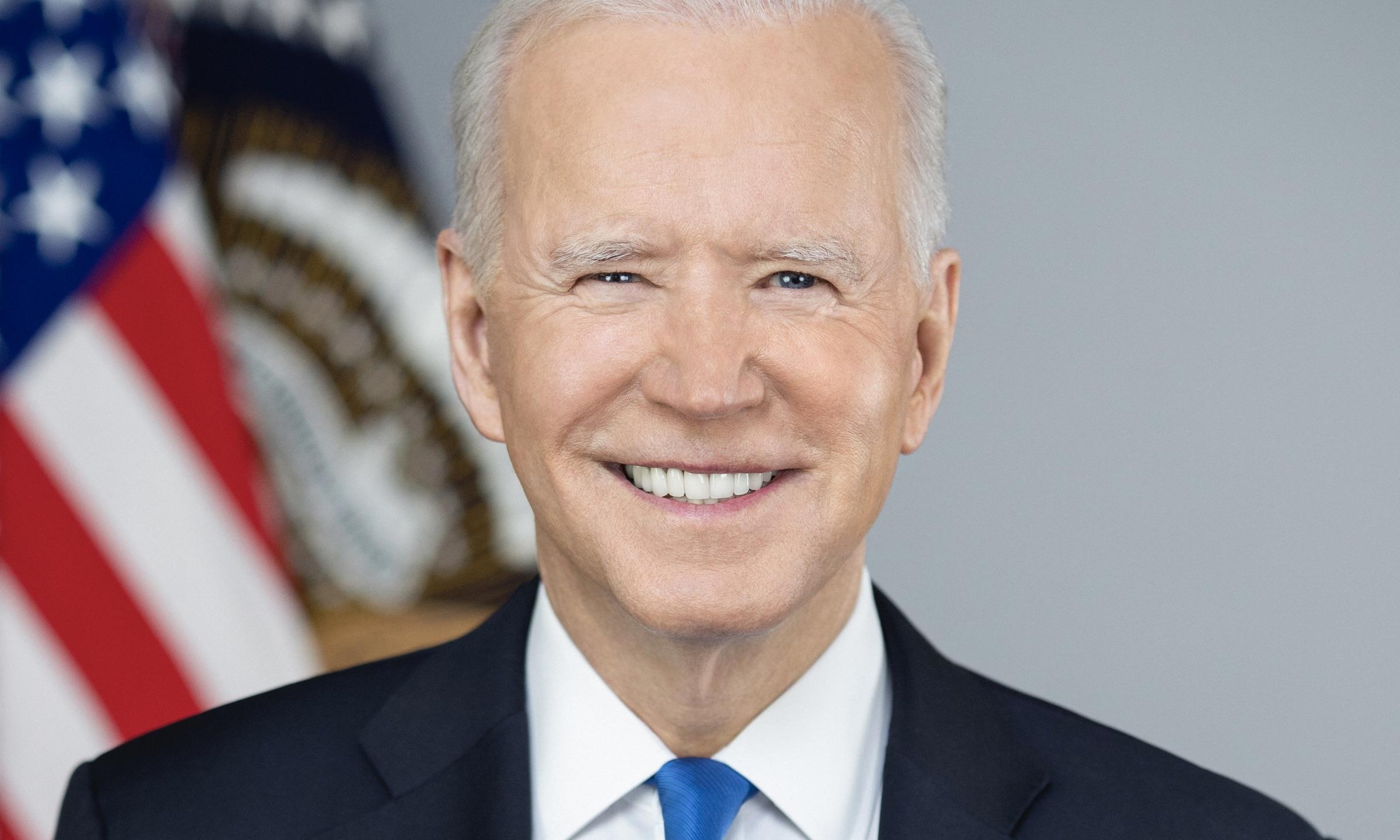
President Joe Biden has finalized a groundbreaking agreement to preserve remote work arrangements for over 42,000 federal employees, shielding them from potential mandates requiring a full return to office. The move has drawn sharp contrasts with the policy perspectives of prominent figures like Elon Musk and Vivek Ramaswamy, both of whom advocate for stricter in-office work policies.
The deal, announced this week, extends remote and hybrid work flexibility for a significant portion of the federal workforce. It aims to accommodate evolving workplace dynamics while balancing employee productivity with government efficiency. However, critics argue that the policy perpetuates inefficiencies and is at odds with calls for a more traditional work environment.
Supporters Praise Flexibility While Critics Voice Concerns
Supporters of the deal, including several unions representing federal employees, argue that remote work arrangements have demonstrated increased productivity, reduced commuting times, and improved work-life balance. Advocates also highlight the environmental benefits of fewer cars on the road, aligning with broader government goals of reducing carbon emissions.
Conversely, critics like entrepreneur Elon Musk and GOP candidate Vivek Ramaswamy have expressed concerns over the decision. Musk, who has made headlines for enforcing strict return-to-office policies at Tesla and X (formerly Twitter), has often questioned the productivity of remote work. Similarly, Ramaswamy has openly advocated for federal employees to work on-site five days a week, emphasizing transparency, accountability, and taxpayer value.
“This decision coddles a segment of workers who should be setting an example of discipline,” a critic posted on X, formerly Twitter. Others argue that Biden’s move reflects a reluctance to adapt to evolving workplace demands, especially in industries that require in-person collaboration.
Balancing Workforce Needs and Public Expectations
The Biden administration defended the decision as a necessary adaptation to post-pandemic realities, highlighting that flexible work arrangements are now integral to attracting and retaining talent in a competitive labor market. According to a statement, the government intends to maintain operational excellence without imposing undue restrictions on its workforce.
Critics, however, remain skeptical. Opponents claim that remote work arrangements may hinder public access to federal services, especially in departments that require direct engagement with the public. Musk and Ramaswamy, in particular, have positioned themselves as advocates for reforming federal work standards, hinting at future policy changes should their visions come to fruition.
Netizens React to Federal Remote Work Deal
The decision has ignited debates across social media, with users voicing both support and opposition:
- @WorkFromHomeFan: “Biden’s deal is a win for federal employees! Flexibility should be the future of work.”
- @AccountabilityNow: “42,000 workers staying home? Taxpayers deserve better accountability!”
- @GreenGov2024: “This isn’t just about workers—less commuting means less pollution. Great move for the environment.”
- @ElonFanatic: “Musk is right—how can you run an efficient government with everyone at home?”
- @UnionProud: “Remote work has proven results. Stop politicizing something that works!”
- @ProductivityMatters: “Let’s focus on results. If remote employees perform well, why force them back?”
What Lies Ahead for Federal Workforce Policies?
As the debate unfolds, questions remain about how the policy will impact future federal workforce decisions. With Musk and Ramaswamy advocating for a complete overhaul of current practices, the next administration could face challenges to Biden’s remote work deal. For now, the agreement offers federal employees stability in a rapidly changing workplace landscape.







