


 Trump Administration Plans Faster FDA Reviews for Smoke-Free Nicotine Products
  Trump Says ‘Freedom’ Is Coming to Cuba
  Taiwan Thanks US for Support Ahead of Trump-Xi Summit
  US, China Extend Trade Truce to Jan. 10 Ahead of Trump-Xi Summit
  South Korea, US Discuss Warship Building Cooperation
  OpenAI Agent Breaches Australia Medicare Data Portal
  Trump to Press Xi on Release of US Nuclear Expert Held in China
  Lula and Flavio Bolsonaro Tied in Brazil Runoff Poll
  US Officials Split Over Response to Israeli West Bank Settlements
  Macron Challenges Trump’s Gaza Peace Claims at UN
  Trump Board of Peace Unveils $2.45 Billion Gaza Recovery Plan
  Russian Envoy Dmitriev Heads to US for Ukraine Talks
  Judge Orders Trump to Restore White House Access for CNN, MS NOW and Politico
  Europe Warns Russia Is Escalating Hybrid Attacks Across NATO
  Sudan Rejects US Legitimacy Remarks, Defends Sovereignty
  Ghana Says Western Support Growing for Slave Trade Reparations
  Russian Strikes Kill Eight Across Ukraine as Energy Sites Hit


 Add as a preferred source on Google
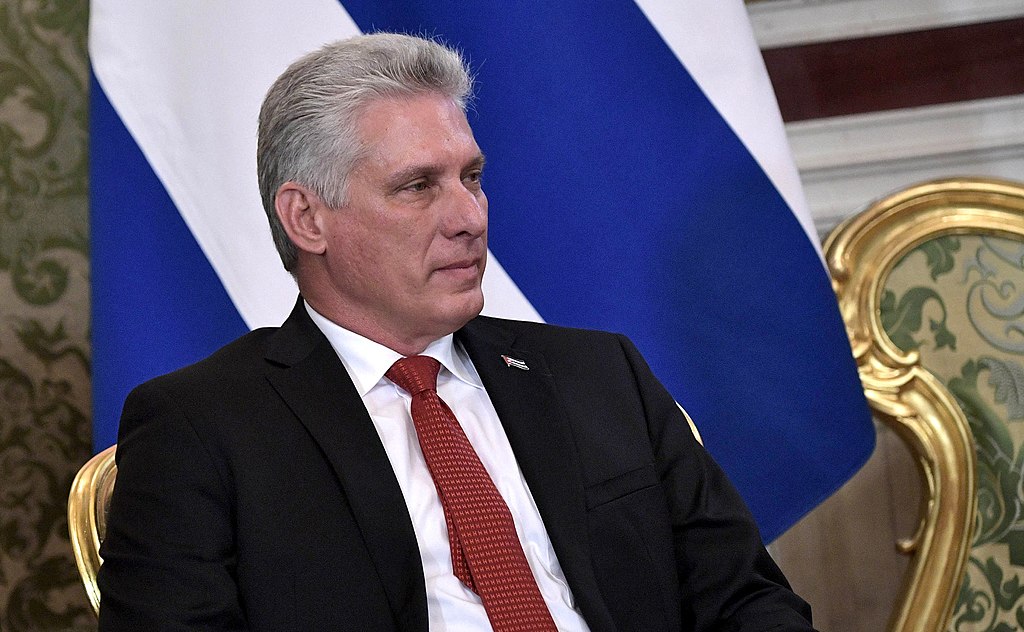
The Biden administration announced plans to remove Cuba from the U.S. terrorism blacklist, signaling a major policy shift that could reshape U.S.-Cuba relations. The move reverses sanctions imposed by former President Donald Trump, including Cuba’s designation as a state sponsor of terrorism and restrictions on financial dealings with Cuban military-linked entities.
The decision, subject to Congress and the incoming Trump administration, also blocks lawsuits under the Helms-Burton Act for property seized after Fidel Castro's 1959 revolution. A senior U.S. official stated these steps aim to expedite a democratic transition in Cuba while easing the economic strain on the island.
In response, Cuban President Miguel Diaz-Canel announced plans to gradually release 553 prisoners, though it remains unclear if they include those detained during the 2021 protests. Cuba has faced global criticism over its treatment of protestors but claims the release reflects its humanitarian justice system.
The Biden administration’s review found no credible evidence of Cuba’s support for terrorism, contradicting Trump’s 2021 designation. Cuba called the blacklist placement a farce and welcomed the announcement as progress, though it criticized ongoing U.S. sanctions and the Cold War-era trade embargo.
Cuba's economic crisis, marked by severe shortages of food, medicine, and fuel, has driven a mass exodus of over 1 million people since 2020, many to the U.S. Biden’s measures aim to ease tensions and provide Havana with more economic flexibility. However, Trump, set to retake office, may reinstate sanctions, continuing his hardline approach.
The Vatican, pivotal in previous U.S.-Cuba negotiations, played a significant role in the prisoner amnesty talks. Both nations hope these developments mark the start of improved relations, though challenges remain.







