


 Oil Prices Jump 3% as Houthi Attack Revives Supply Fears
  U.S. Dollar Hits Two-Month High as Oil, Treasury Yields Surge
  Germany’s 2026 Growth Outlook Strengthens on Fiscal Spending
  Mexico-US Trade Talks Delayed to October as Tariff Negotiations Continue
  China Consumer Stocks Near Decade Lows as AI Shares Surge
  Fed’s Hammack Says Bond Yield Surge Is Not Driven by Inflation Fears
  Canadian Dollar Faces Pressure as Fed-BoC Policy Gap Widens
  Europe’s AI Data Centre Boom Strengthens Case for Nuclear Power
  Oil Prices Fall on U.S.-Iran Hormuz Deal Hopes
  Soybean Futures Slip as Traders Await Trump-Xi Trade Signals
  ECB May Stop Rate Hikes After December, Capital Economics Says
  Dollar Holds Near Two-Month High as Yen Approaches 160
  US Stocks Face Jobs, Inflation Test as Fed Rate Hike Bets Rise
  Trump to Ease U.S. Fuel-Economy Standards
  Fed Unveils Stablecoin Rules Under GENIUS Act
  UK PM Burnham to Unveil Economic Vision at Labour Conference


 Add as a preferred source on Google
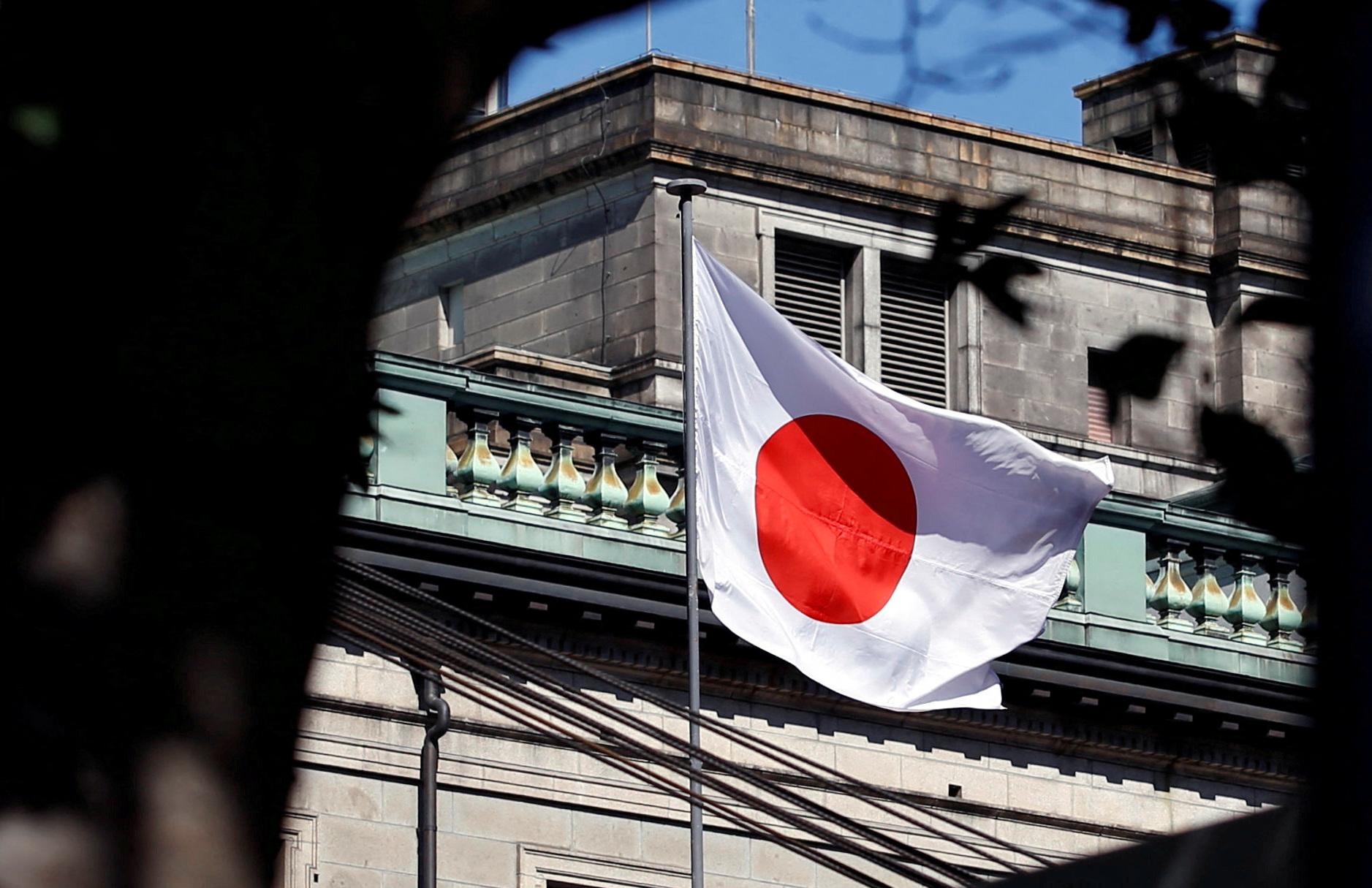
BOJ's Current Rate Stance
A recent Reuters poll reveals that the Bank of Japan (BOJ) will likely maintain its interest rate at 0.25% through December 2024. This decision comes despite nearly 90% of economists anticipating a rate hike by the end of March 2025.
Economic Context and Prime Minister's Influence
With global central banks moving toward rate cuts, the BOJ faces challenges in policy normalization amid uncertainty about the new political leadership's monetary preferences. Prime Minister Shigeru Ishiba, who took office on October 1, emphasized that the Japanese economy is not ready for further rate hikes, a shift from his previous support for the BOJ's gradual unwinding of extreme monetary stimulus.
Forecasts for Future Rate Changes
In the Oct. 3-11 poll of 49 economists, 25 predicted that the BOJ would hold its rate steady until the end of the year. However, 87% of respondents expect a rise to 0.50% by March 2025, contingent on wage increases and the U.S. economy's performance.
Mari Iwashita, chief market economist at Daiwa Securities, indicated that the BOJ's decision may be postponed until March, as it assesses the implications of the U.S. administration's policies and annual wage negotiations.
Conclusion
Japan's economy is showing signs of resilience, with a reported annualized growth of 2.9% in Q2 2024. However, economists urge caution regarding Ishiba's economic policy, with 21 out of 29 stating it is too early to evaluate its effectiveness. The BOJ's approach remains crucial as it navigates domestic and international economic pressures.







