


 Japanese Pharmaceutical Stocks Slide as TrumpRx.gov Launch Sparks Market Concerns
  Trump Lifts 25% Tariff on Indian Goods in Strategic U.S.–India Trade and Energy Deal
  Bank of England Expected to Hold Interest Rates at 3.75% as Inflation Remains Elevated
  RBI Holds Repo Rate at 5.25% as India’s Growth Outlook Strengthens After U.S. Trade Deal
  ECB’s Cipollone Backs Digital Euro as Europe Pushes for Payment System Independence
  Bank of Japan Signals Readiness for Near-Term Rate Hike as Inflation Nears Target
  Fed Governor Lisa Cook Warns Inflation Risks Remain as Rates Stay Steady
  Dow Hits 50,000 as U.S. Stocks Stage Strong Rebound Amid AI Volatility
  South Africa Eyes ECB Repo Lines as Inflation Eases and Rate Cuts Loom
  South Korea’s Weak Won Struggles as Retail Investors Pour Money Into U.S. Stocks
  Thailand Inflation Remains Negative for 10th Straight Month in January
  Russian Stocks End Mixed as MOEX Index Closes Flat Amid Commodity Strength
  Gold Prices Slide Below $5,000 as Strong Dollar and Central Bank Outlook Weigh on Metals
  BOJ Rate Decision in Focus as Yen Weakness and Inflation Shape Market Outlook


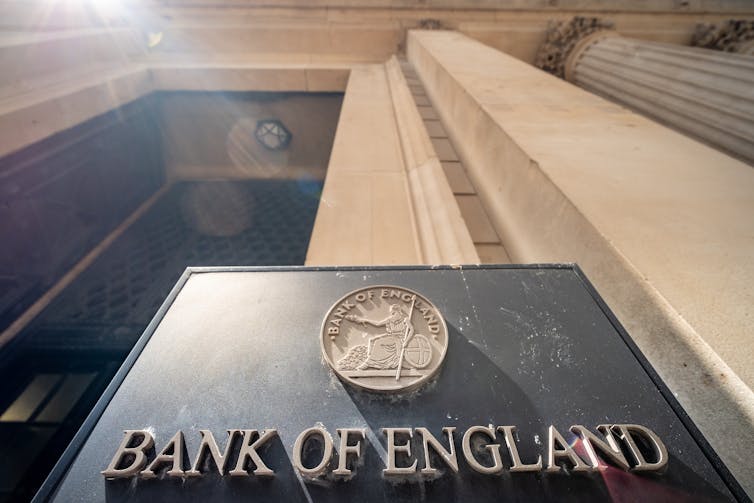
The Bank of England (BoE) is expected to reduce the pace of its quantitative tightening (QT) when the Monetary Policy Committee meets on Thursday, while leaving interest rates unchanged at 4%. Economists polled by Reuters forecast the annual bond sales target will slow from £100 billion to around £67.5 billion, with some predicting a cut to as low as £60 billion. This move comes amid heightened volatility in UK bond markets and criticism that QT has worsened borrowing costs, particularly in long-dated gilts.
Although the BoE maintains that QT has only added 0.15–0.25 percentage points to government borrowing costs, yields on 20- and 30-year gilts recently hit their highest levels since 1998. Finance Minister Rachel Reeves faces added pressure ahead of her November 26 budget, with UK borrowing costs and inflation both topping the G7.
Inflation is forecast to peak at 4% this month before gradually easing toward the 2% target by mid-2027. Data from August showed inflation holding at 3.8%, its highest in 19 months. While the BoE cut rates five times since August 2024, Governor Andrew Bailey has signaled uncertainty about how quickly further reductions will follow. Analysts expect a 7-2 vote in favor of holding rates this month.
Interest rate futures now price only a 30% chance of another cut this year, although many economists anticipate one more reduction in late 2024, followed by another in early 2025. Evercore ISI’s Krishna Guha noted the BoE may lean dovish on QT while staying hawkish on rates, with policy likely on hold until well into 2026.













