


 India–U.S. Interim Trade Pact Cuts Auto Tariffs but Leaves Tesla Out
  BOJ Rate Decision in Focus as Yen Weakness and Inflation Shape Market Outlook
  Trump Lifts 25% Tariff on Indian Goods in Strategic U.S.–India Trade and Energy Deal
  South Africa Eyes ECB Repo Lines as Inflation Eases and Rate Cuts Loom
  Why Trump’s new pick for Fed chair hit gold and silver markets – for good reasons
  Gold and Silver Prices Rebound After Volatile Week Triggered by Fed Nomination
  Trump Signs Executive Order Threatening 25% Tariffs on Countries Trading With Iran
  China Extends Gold Buying Streak as Reserves Surge Despite Volatile Prices
  Russian Stocks End Mixed as MOEX Index Closes Flat Amid Commodity Strength
  Jerome Powell Attends Supreme Court Hearing on Trump Effort to Fire Fed Governor, Calling It Historic
  Japan Economy Poised for Q4 2025 Growth as Investment and Consumption Hold Firm
  Dollar Near Two-Week High as Stock Rout, AI Concerns and Global Events Drive Market Volatility
  Oil Prices Slide on US-Iran Talks, Dollar Strength and Profit-Taking Pressure
  Bank of England Expected to Hold Interest Rates at 3.75% as Inflation Remains Elevated
  Fed Governor Lisa Cook Warns Inflation Risks Remain as Rates Stay Steady
  Dow Hits 50,000 as U.S. Stocks Stage Strong Rebound Amid AI Volatility


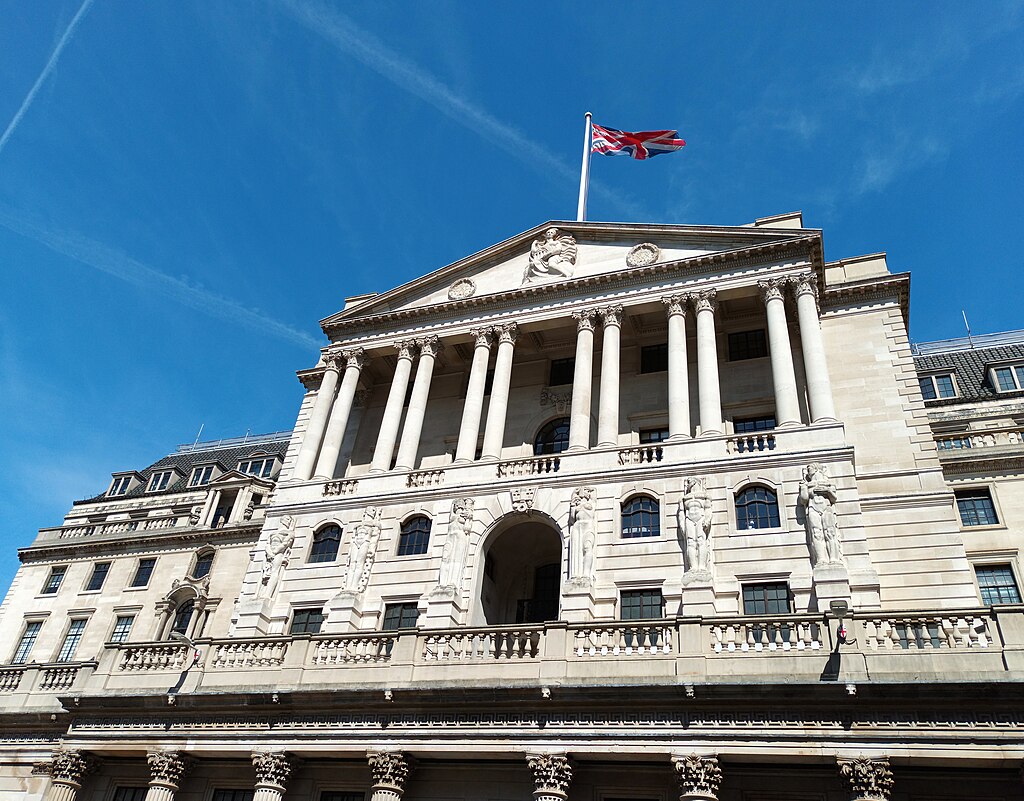
The Bank of England (BoE) is anticipated to ease the pace of its quantitative tightening (QT) as it prepares to cut interest rates to 4% on August 7. Economists expect the policy statement to outline the central bank’s strategy for reducing its £558 billion ($754 billion) gilt holdings, with a detailed pace to be set in September.
Over the past year, the BoE reduced its balance sheet by £100 billion through £13 billion in gilt sales and £87 billion in maturities. Matching this pace would require record sales of £51 billion in the next 12 months, raising concerns amid recent bond market volatility and political scrutiny over QT-related losses.
Market expectations suggest QT may slow to £75 billion annually from September and further taper to £50 billion by 2026-27, with active sales potentially ending by 2028. Some analysts, including BNP Paribas’ Dani Stoilova, predict an earlier halt to gilt sales to prevent market disruption, especially as long-term bond yields hit multi-decade highs earlier this year.
The BoE faces unique challenges, including a steeper yield curve and falling policy rates, conditions not previously encountered during active QT. Former policymakers suggest the central bank could prioritize shorter-dated gilt sales or focus on rate cuts instead of aggressive bond sales.
BoE Governor Andrew Bailey maintains that QT is not driving higher borrowing costs but acknowledges the need to monitor its interaction with market conditions. With bank reserves still above the preferred minimum range of £385-540 billion, the BoE may cautiously adjust QT, signaling flexibility as it approaches critical liquidity thresholds.
Investors will closely watch August’s statement for insights into the BoE’s long-term balance sheet strategy amid ongoing market uncertainty.













