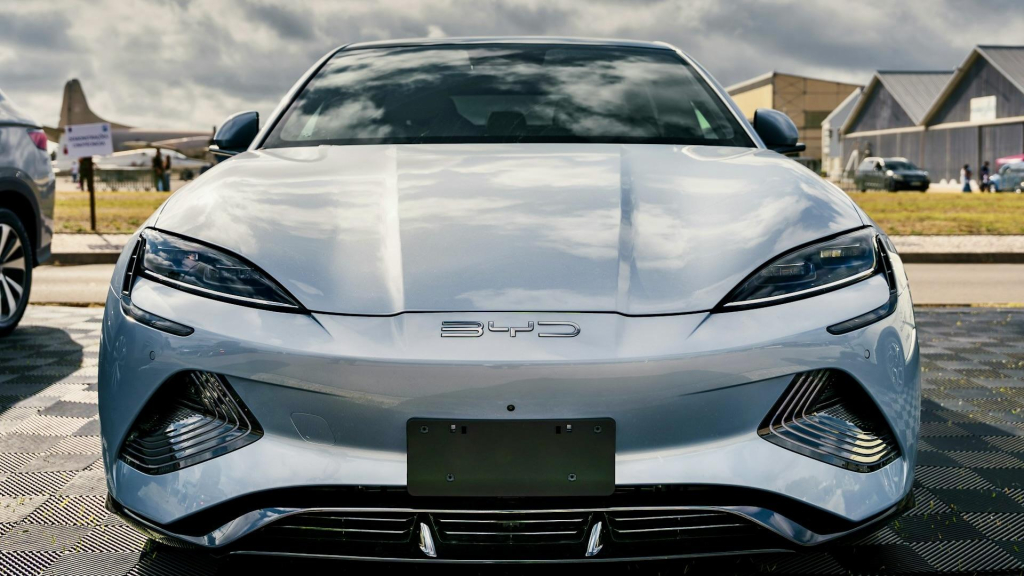
China's leading EV maker BYD (SZ:002594) is postponing mass production at its €4 billion electric vehicle factory in Szeged, Hungary, to 2026, with initial output far below its 150,000-car capacity, sources told Reuters. The company is also expected to operate the Hungarian plant below capacity through at least 2027, despite plans to eventually scale to 300,000 units annually.
In contrast, BYD will launch production earlier than expected at its new $1 billion factory in Manisa, Turkey, aiming to exceed its initial 150,000-car annual target by 2027 and scale even higher in 2028. This strategic pivot reflects BYD’s response to EU tariffs on Chinese-made EVs, which currently total 27% in its case. Vehicles made in Turkey will enter the EU tariff-free, providing a cost advantage over Hungary's higher labor and energy expenses.
Hungary, under Prime Minister Viktor Orban, had hoped BYD’s investment would bring high-quality jobs and solidify its position as BYD’s European base. However, production tool installation in Szeged, initially planned for September, has been delayed, sources say.
BYD faces mounting competition and a price war in China and is rapidly expanding abroad. S&P Global Mobility forecasts BYD will sell 186,000 vehicles in Europe this year, up from 83,000 in 2024, potentially doubling again by 2029. Models planned for the Hungarian plant include the Atto 2, Atto 3, Dolphin, and Seagull EVs, while the Turkish facility will produce the Seal U, Sealion 5, and several plug-in hybrids.
The shift underscores the growing importance of cost-efficient production hubs like Turkey for Chinese EV makers seeking to navigate European protectionism and accelerate their global push.