


 Japanese Pharmaceutical Stocks Slide as TrumpRx.gov Launch Sparks Market Concerns
  Vietnam’s Trade Surplus With US Jumps as Exports Surge and China Imports Hit Record
  RBA Expected to Raise Interest Rates by 25 Basis Points in February, ANZ Forecast Says
  Silver Prices Plunge in Asian Trade as Dollar Strength Triggers Fresh Precious Metals Sell-Off
  Singapore Budget 2026 Set for Fiscal Prudence as Growth Remains Resilient
  Global Markets Slide as AI, Crypto, and Precious Metals Face Heightened Volatility
  China Extends Gold Buying Streak as Reserves Surge Despite Volatile Prices
  Gold and Silver Prices Slide as Dollar Strength and Easing Tensions Weigh on Metals
  Trump Signs Executive Order Threatening 25% Tariffs on Countries Trading With Iran
  Trump Lifts 25% Tariff on Indian Goods in Strategic U.S.–India Trade and Energy Deal
  MAS Holds Monetary Policy Steady as Strong Growth Raises Inflation Risks
  South Africa Eyes ECB Repo Lines as Inflation Eases and Rate Cuts Loom
  Asian Stocks Slip as Tech Rout Deepens, Japan Steadies Ahead of Election


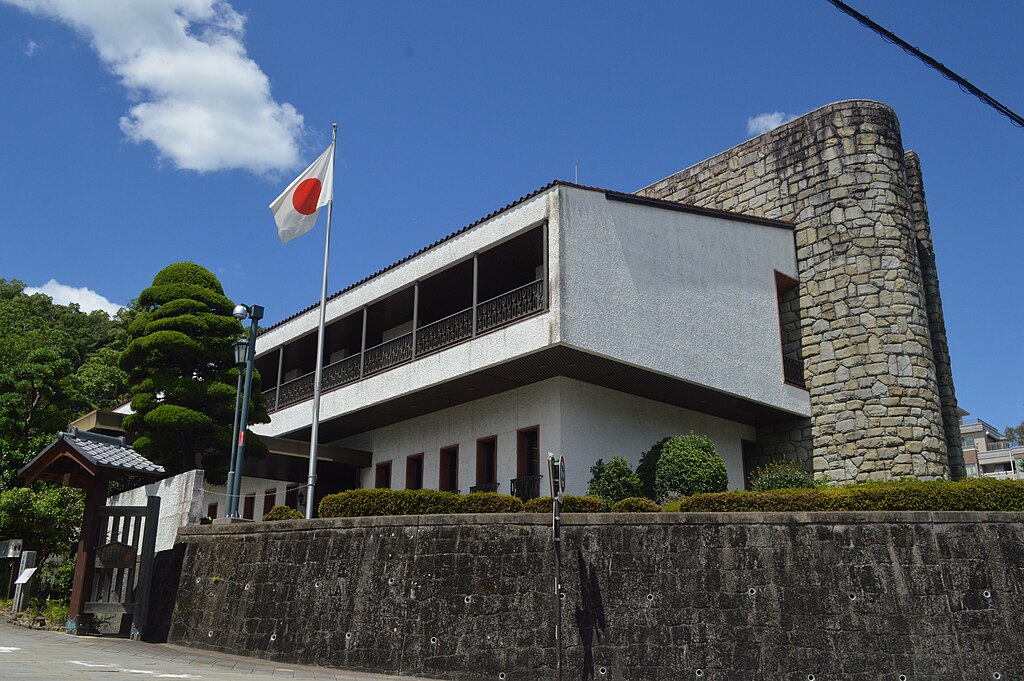
The Bank of Japan (BOJ) is leaning toward further interest rate hikes but remains cautious due to ongoing uncertainty surrounding U.S. trade policy, according to minutes from its April 30–May 1 policy meeting released Friday.
At the meeting, the BOJ held its benchmark rate steady at 0.5%, citing concerns over the economic impact of increased U.S. tariffs. Policymakers also slashed their growth and inflation forecasts, signaling that Japan's path to reaching the central bank’s 2% inflation target may now be delayed by up to a year.
Despite agreeing on the long-term need to raise rates, the board was split on the immediate outlook. Some members warned that cheap Chinese imports could suppress domestic prices, while others argued that rising corporate pricing power and wage growth could push inflation beyond expectations.
The uncertainty triggered by President Donald Trump's broad tariff moves dominated the discussion, with several BOJ members advocating for a wait-and-see stance until more clarity emerges on U.S. trade negotiations, including those with Japan.
One board member emphasized the need to pause monetary tightening until U.S. trade policy stabilizes, while another maintained the BOJ should remain flexible and ready to resume hikes if U.S. policy shifts again.
The cautious tone highlights how external risks, particularly escalating trade tensions, are complicating Japan’s monetary policy. With inflation still below target and global conditions volatile, the BOJ is expected to tread carefully in the months ahead.
The BOJ’s balancing act—between maintaining economic stability and normalizing ultra-low rates—reflects the challenges central banks face amid a shifting global trade landscape.













