


 U.S. Dollar Hits Two-Month High as Oil, Treasury Yields Surge
  Gold Prices Fall as Treasury Yields Rise on Fed Rate Hike Bets
  BOJ Flags Import Costs and Yen Shocks as Persistent Inflation Risks
  U.S. Treasury Yields Surge as 30-Year Hits 22-Year High
  Fed’s Hammack Says Bond Yield Surge Is Not Driven by Inflation Fears
  Mexico-US Trade Talks Delayed to October as Tariff Negotiations Continue
  Asian Stocks Fall as Surging Bond Yields Rattle Markets
  BOJ Set for 25-Basis-Point Rate Hike as Yen Weakness Fuels Inflation
  Central Banks Could Buy 20,000 Tonnes of Gold: BofA
  RBI Uses $10 Billion Currency Swaps to Drain Excess Rupee Liquidity
  Canadian Dollar Faces Pressure as Fed-BoC Policy Gap Widens
  Fed Rate Hike Threatens Housing as U.S. Growth Leans on AI, Citi Says
  Dollar Holds Near Two-Month High as Yen Approaches 160
  China’s ‘Lipstick King’ Says AI Won’t Replace Livestream Hosts
  ECB Rate Hike in Focus as Oil Tops $100


 Add as a preferred source on Google
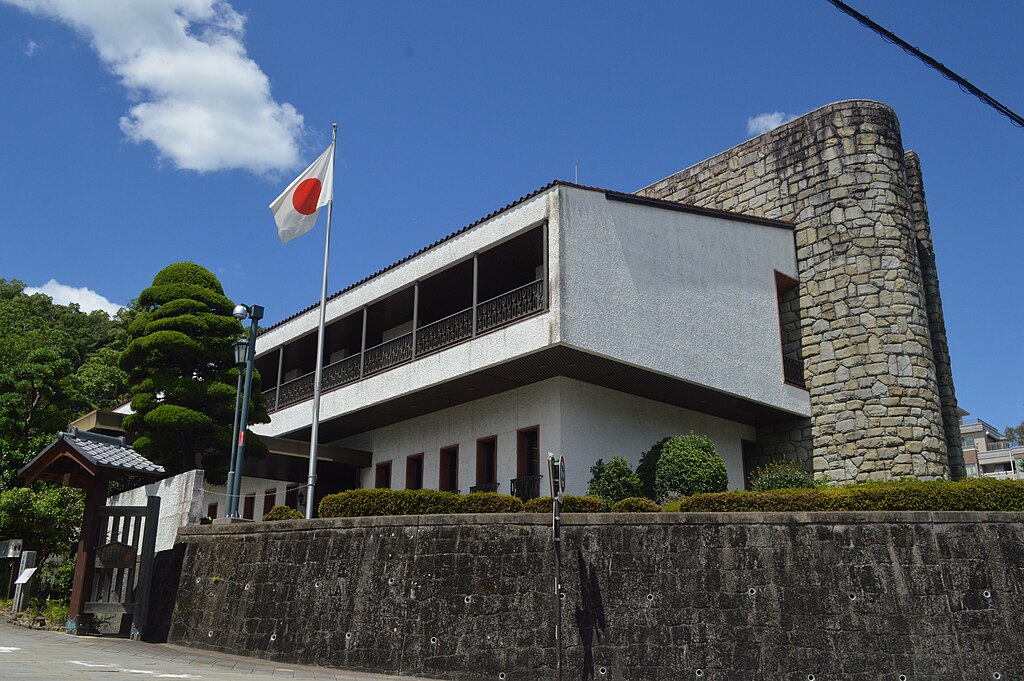
The Bank of Japan (BOJ) kept its benchmark interest rate unchanged at 1.0% on Friday, opting to assess the economic impact of its June rate hike while maintaining a cautious stance amid Middle East tensions and continued weakness in the Japanese yen.
The decision, approved in an 8-1 vote, was widely expected by markets. Board member Hajime Takata was the lone dissenter, advocating another 25-basis-point rate increase following the BOJ’s June hike.
Alongside its policy decision, the central bank revised its economic forecasts. The BOJ lowered its fiscal 2026 core consumer price index (CPI) forecast to 2.4%-2.7%, down from its previous estimate of 2.8%-3.0%. It also reduced its outlook for underlying inflation, which excludes both fresh food and energy, to 2.3%-2.6% from 2.5%-2.7%.
The softer inflation outlook reflects the impact of government subsidies, particularly utility support measures designed to ease household costs despite elevated energy prices linked to the Iran conflict. Even so, the BOJ expects inflation to remain above its 2% target in the coming months as higher producer prices gradually feed into consumer prices.
The central bank slightly upgraded its fiscal 2026 GDP forecast to 0.6%-0.7%, citing resilient domestic demand, continued government support, and growing artificial intelligence-related investment as key growth drivers. However, it warned that inflationary pressure from the Middle East conflict could weigh on economic activity.
The BOJ’s announcement followed stronger-than-expected Tokyo CPI data, reinforcing expectations that inflation remains persistent despite government efforts to contain prices.
The yen initially strengthened after reports that Japanese authorities intervened in the foreign exchange market overnight to support the currency after it neared a 40-year low. However, following the BOJ’s decision, the USD/JPY pair climbed roughly 0.7%, reflecting market expectations that policy normalization will remain gradual.
Analysts at Capital Economics described the BOJ’s updated outlook as hawkish despite the policy pause. The firm maintained its forecast that the central bank could raise interest rates again in October and eventually lift its policy rate to 2% by the end of next year, as inflation continues to exceed the BOJ’s long-term target.







