


 Australia Unemployment Hits Five-Year High Despite Strong Jobs Growth
  Dollar Holds Near Two-Month High as Yen Approaches 160
  Russian Envoy Dmitriev Heads to US for Ukraine Talks
  Gold Holds Near $4,275 as Rising Treasury Yields Fuel Fed Rate Hike Bets
  U.S. Dollar Hits Two-Month High as Oil, Treasury Yields Surge
  China’s ‘Lipstick King’ Says AI Won’t Replace Livestream Hosts
  US, China Extend Trade Truce to Jan. 10 Ahead of Trump-Xi Summit
  Oil Prices Ease as Iran Tensions Clash With Diplomacy Hopes
  South Korea, US Discuss Warship Building Cooperation
  Wall Street Falls as Treasury Yields Surge, Oil Rebounds on Iran Tensions
  Japan Private-Sector Growth Slows as Domestic Demand Weakens
  Asian Stocks Fall as Bond Yields Surge Ahead of Trump-Xi Summit
  Fed Unveils Stablecoin Rules Under GENIUS Act
  U.S. 10-Year Treasury Yield Hits 2007 High as Fed Rate Hike Bets Rise
  RBI Uses $10 Billion Currency Swaps to Drain Excess Rupee Liquidity
  Wall Street Ends Flat as Oil, Treasury Yields and Fed Jitters Rattle Markets
  European Stocks Fall as Bond Yields and Geopolitical Risks Weigh


 Add as a preferred source on Google
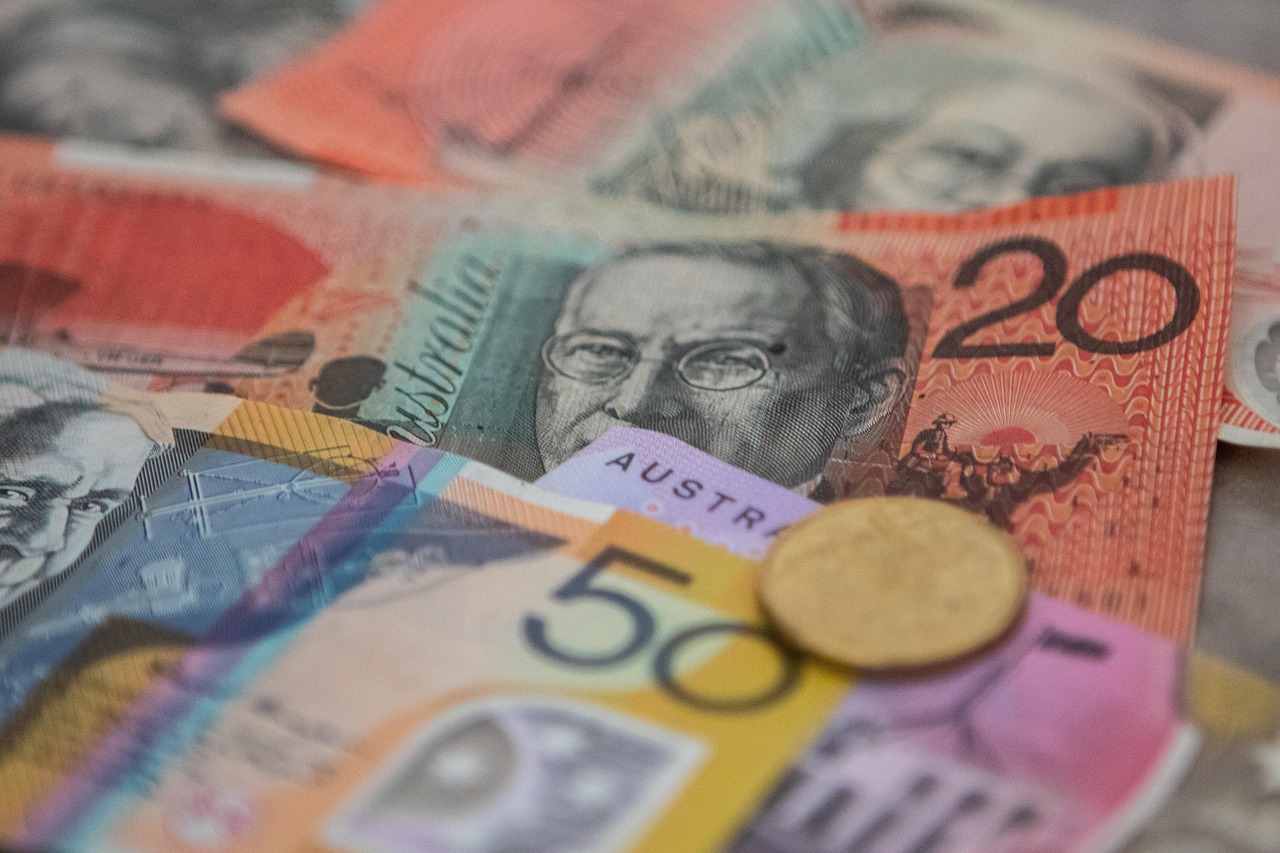
The Australian dollar is on track for another strong monthly gain as rising expectations of a more hawkish Reserve Bank of Australia (RBA) boost investor confidence. Meanwhile, the Japanese yen is heading toward a monthly loss, weighed down by political uncertainty surrounding the Bank of Japan’s (BOJ) policy direction.
Despite ongoing geopolitical tensions, a landmark U.S. Supreme Court ruling on Trump-era tariffs, and volatility tied to the artificial intelligence trade, global currency markets this month have been driven largely by shifting interest rate expectations. Analysts note that the focus has moved from rate cuts in 2024 to potential rate hikes in 2025.
The Australian dollar hovered at $0.7106, marking a roughly 2% monthly gain and more than 6% growth year-to-date, making it the best-performing G10 currency so far this year. A resilient domestic economy and persistent inflation pressures have fueled speculation that the RBA may deliver another 25-basis-point rate hike before year-end. Currency strategists suggest the Aussie could strengthen further if tightening expectations remain intact.
In contrast, the Japanese yen has struggled despite signals from BOJ Governor Kazuo Ueda that a near-term rate hike is possible. The yen traded around 155.78 per dollar, down for both the week and month. Markets remain cautious after Japan’s government nominated two pro-stimulus academics to the BOJ board, reinforcing concerns that political leadership may resist aggressive monetary tightening.
Elsewhere, the U.S. dollar is set for a modest monthly gain of 0.6%, supported by a slightly hawkish Federal Reserve. Although several Fed policymakers have indicated openness to further rate hikes if inflation persists, investors are still pricing in two rate cuts later this year. The Supreme Court’s decision to strike down Trump’s tariffs has also strengthened confidence in U.S. institutional stability, offering additional support to the dollar.
Sterling weakened to $1.3484 and is poised to end a three-month winning streak as traders anticipate a possible Bank of England rate cut in March. The euro remained relatively stable near $1.1796, with expectations that the European Central Bank will hold rates steady in the coming months.
In Asia, China’s central bank announced it will remove foreign exchange risk reserves for certain forward contracts, reducing the cost of dollar purchases. The yuan, which has gained 4.4% against the dollar this year, edged slightly lower in offshore trading at 6.8585 per dollar.
As global markets adjust to evolving monetary policy signals, currency movements continue to reflect diverging central bank strategies and shifting economic outlooks worldwide.







