


 Soybean Futures Slip as Traders Await Trump-Xi Trade Signals
  Oil Prices Surge as U.S.-Iran Diplomacy Hopes Fade
  Wall Street Ends Flat as Oil, Treasury Yields and Fed Jitters Rattle Markets
  Dollar Hits Two-Month High as Fed Rate Hike Bets Rise
  U.S. Treasury Yields Surge as 30-Year Hits 22-Year High
  Oil Prices Ease as Iran Tensions Clash With Diplomacy Hopes
  Wall Street Falls as Treasury Yields Surge, Oil Rebounds on Iran Tensions
  Gold Prices Fall as Treasury Yields Rise on Fed Rate Hike Bets
  Fed Unveils Stablecoin Rules Under GENIUS Act
  Trump, Xi Focus on Trade and AI at White House Summit
  US Stock Futures Fall as Treasury Yields Surge Ahead of Trump-Xi Summit
  Gold Drops Over 1% as Dollar, Treasury Yields Surge on Fed Rate Hike Bets
  Mexico-US Trade Talks Delayed to October as Tariff Negotiations Continue
  China’s ‘Lipstick King’ Says AI Won’t Replace Livestream Hosts
  Fed Unveils Stablecoin Rules Under GENIUS Act
  European Stocks Fall as Bond Yields and Geopolitical Risks Weigh
  South Korea, US Discuss Warship Building Cooperation


 Add as a preferred source on Google
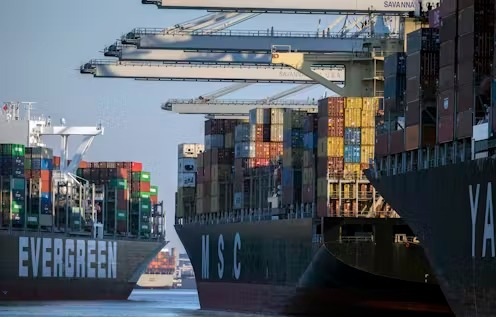
Australia's trade surplus rebounded strongly in April 2026, supported by a sharp increase in exports of iron ore, coal, and mineral resources. According to data released by the Australian Bureau of Statistics (ABS) on Thursday, rising commodity shipments helped offset a modest increase in imports, strengthening the country's external trade position.
Australia recorded a goods trade surplus of A$1.79 billion in April, a significant turnaround from the revised A$1.02 billion deficit reported in March. The latest figure also exceeded market expectations, as economists had forecast a surplus of approximately A$1.23 billion.
The improvement was driven largely by export growth. Total exports climbed 7.2% month-over-month, reversing March's 2.7% decline and marking the strongest monthly export increase in nearly a year. Non-rural exports were the primary contributor, with metal ores and mineral exports rising 18.5% during the month. Coal exports also posted impressive growth, increasing by 15.2%.
Demand from key international markets played a major role in the export recovery. Shipments of iron ore to China, Australia's largest trading partner, increased substantially in April. Meanwhile, coal exports expanded to several major destinations, including South Korea, India, and the Netherlands.
On the import side, goods imports rose 0.8% after a sharp 14.1% increase in March. The main factor behind the rise was a 41.4% jump in fuel and lubricant imports, reflecting higher global energy prices and increased spending on petroleum-related products.
The latest trade data highlights the resilience of external demand despite ongoing uncertainty in global markets, including geopolitical tensions in the Middle East. Strong commodity exports continue to support Australia's economy as domestic growth slows and consumer spending remains under pressure.
Following the data release, the Australian dollar remained relatively stable against the U.S. dollar, with investors focusing on future monetary policy decisions. The Reserve Bank of Australia recently maintained its hawkish approach, raising the cash rate by 25 basis points to 4.35% in May, marking its third consecutive interest rate increase of 2026. Market participants will continue monitoring trade performance, inflation trends, and interest rate developments for further clues on Australia's economic outlook.







