


 US Backs Musk in Fight Against EU’s €120 Million X Fine
  Trump Administration Removes Confederate Memorial Criticism From Arlington Website
  Netanyahu Defends Israel at UN as Delegates Stage Walkout
  Kremlin Says No Decision Yet on Putin-Trump December Summit
  North Korea Rejects Nuclear Test Warning, Calls Nuclear Status Irreversible
  Xi Calls for Deeper U.S.-China AI Cooperation in Trump Talks
  China Tightens Fentanyl Rules Ahead of Trump-Xi Summit
  Synthetic data could ease people’s concerns about privacy breaches. But who gets to create it?
  Gold Holds Near $4,275 as Rising Treasury Yields Fuel Fed Rate Hike Bets
  Yemen Violence Displaces 130,000 as Civilian Toll Rises
  European Stocks Fall as Bond Yields and Geopolitical Risks Weigh
  Trump Asks Supreme Court to Restore Third-Country Deportations
  Trump Administration Plans Faster FDA Reviews for Smoke-Free Nicotine Products
  U.S. 10-Year Treasury Yield Hits 2007 High as Fed Rate Hike Bets Rise
  NATO Boosts Intelligence Sharing Amid Russia Hybrid Threats
  Soybean Futures Slip as Traders Await Trump-Xi Trade Signals
  RBI Uses $10 Billion Currency Swaps to Drain Excess Rupee Liquidity


 Add as a preferred source on Google
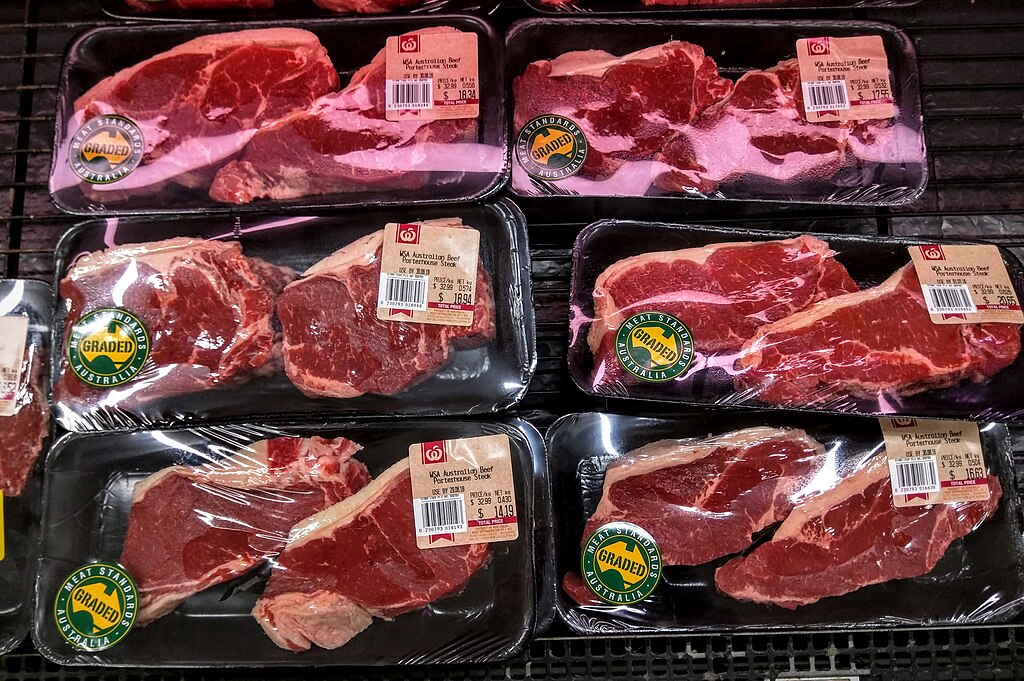
Australia has officially lifted strict biosecurity restrictions on U.S. beef imports following a decade-long scientific and risk-based review, easing a key trade friction point with Washington. Agriculture Minister Julie Collins announced Thursday that the United States has implemented effective biosecurity measures, allowing the removal of longstanding curbs first imposed in 2003 after a mad cow disease outbreak.
Collins emphasized Australia’s commitment to maintaining high biosecurity standards, noting that the review process ensured safety without compromising the country’s disease-free cattle status, vital for premium markets like Japan and South Korea. The move could bolster negotiations for the U.S. to reduce steep tariffs on Australian steel, aluminum, and pharmaceuticals.
The decision comes as U.S. President Donald Trump has criticized trade imbalances in the beef sector. Australian beef exports to the U.S. surged to A$4 billion ($2.64 billion) last year, coinciding with declining U.S. beef production. Despite previous reluctance, Prime Minister Anthony Albanese’s government approved the measure amid broader bilateral trade discussions.
Australia’s import rules will now accept beef from cattle born, raised, and slaughtered in the United States. Enhanced tracking systems introduced by the U.S. now trace cattle from Mexico and Canada through the supply chain, addressing prior concerns over animal origin verification.
Australian beef, prized by U.S. fast-food chains for its leaner quality and competitive pricing, stands to benefit from the policy shift. Conversely, U.S. producers gain access to Australia’s lucrative beef market, signaling a potential thaw in ongoing trade tensions between the two allies.







