


 Gold Holds Near $4,275 as Rising Treasury Yields Fuel Fed Rate Hike Bets
  Oil Prices Surge as U.S.-Iran Diplomacy Hopes Fade
  Russian Envoy Dmitriev Heads to US for Ukraine Talks
  China’s ‘Lipstick King’ Says AI Won’t Replace Livestream Hosts
  Fed Unveils Stablecoin Rules Under GENIUS Act
  Soybean Futures Slip as Traders Await Trump-Xi Trade Signals
  Japan Private-Sector Growth Slows as Domestic Demand Weakens
  Australia Unemployment Hits Five-Year High Despite Strong Jobs Growth
  Mexico-US Trade Talks Delayed to October as Tariff Negotiations Continue
  Asian Stocks Fall as Surging Bond Yields Rattle Markets
  European Stocks Fall as Bond Yields and Geopolitical Risks Weigh
  Dollar Holds Near Two-Month High as Yen Approaches 160
  US, China Extend Trade Truce to Jan. 10 Ahead of Trump-Xi Summit
  Gold Prices Fall as Treasury Yields Rise on Fed Rate Hike Bets
  U.S. 10-Year Treasury Yield Hits 2007 High as Fed Rate Hike Bets Rise
  Asian Currencies Mixed as Dollar Holds Near Two-Month High
  RBI Uses $10 Billion Currency Swaps to Drain Excess Rupee Liquidity


 Add as a preferred source on Google
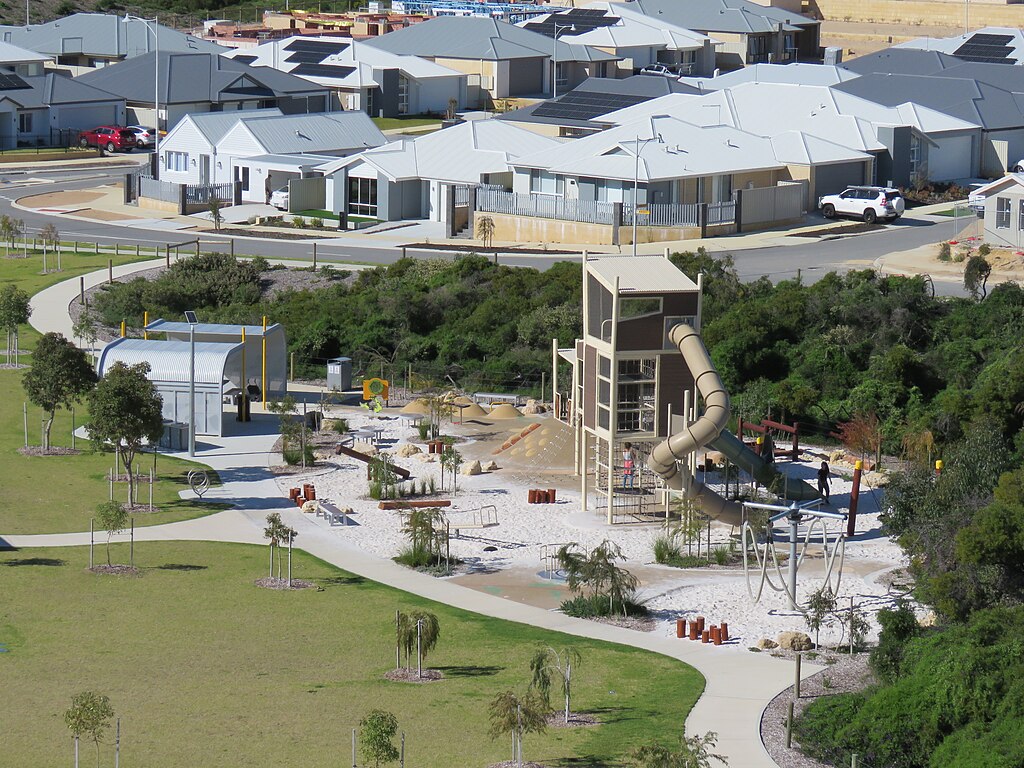
Australia’s housing market extended its upward momentum in February, with national home prices climbing to a new record high despite the Reserve Bank of Australia’s recent interest rate increase. According to fresh data from property analytics firm Cotality, rising demand in mid-sized capital cities such as Perth, Brisbane, and Adelaide offset stagnation in Sydney and Melbourne, highlighting shifting dynamics across the Australian property market.
National dwelling values increased by 0.8% in February, pushing the median home price to a record A$922,838 (approximately $649,308). Perth led the gains with a sharp 2.3% surge, while Brisbane and Adelaide recorded solid increases of 1.6% and 1.3%, respectively. Limited housing supply and tight inventory levels continued to support price growth in these more affordable capital cities, attracting strong buyer interest.
The data comes after the Reserve Bank of Australia (RBA) raised its benchmark interest rate by 25 basis points to 3.85% last month. The move followed signs of re-accelerating inflation after three rate cuts last year. Policymakers cited resilient economic conditions and rising property prices as contributing factors behind the decision to tighten monetary policy.
In contrast, housing prices in Sydney and Melbourne remained flat in February. Cotality noted a clear increase in new property listings in both cities, with advertised stock in Sydney running 9.7% above the five-year average and Melbourne nearly 12% higher. This rise in supply suggests that vendors are becoming more motivated to sell, potentially easing price pressures in Australia’s largest housing markets.
Demand remains strongest in the more affordable segments. Lower-quartile house prices in Sydney rose 0.8% over the month, while upper-quartile values fell 0.9%. Analysts say first-home buyers, investors, and upgraders are competing heavily in lower price brackets, where borrowing capacity remains less constrained by lending serviceability rules.







