


 Asian Currencies Mixed as Dollar Holds Near Two-Month High
  Japan Private-Sector Growth Slows as Domestic Demand Weakens
  Wall Street Ends Flat as Oil, Treasury Yields and Fed Jitters Rattle Markets
  South Korea, US Discuss Warship Building Cooperation
  US Dollar Hits Two-Month High as Fed Rate Hike Bets Rise
  Fed Unveils Stablecoin Rules Under GENIUS Act
  Trump, Xi Focus on Trade and AI at White House Summit
  US Stock Futures Fall as Treasury Yields Surge Ahead of Trump-Xi Summit
  Oil Prices Ease as Iran Tensions Clash With Diplomacy Hopes
  US 10-Year Treasury Yield at 6% Emerges as New Market Risk Threshold
  China’s ‘Lipstick King’ Says AI Won’t Replace Livestream Hosts
  RBI Uses $10 Billion Currency Swaps to Drain Excess Rupee Liquidity
  U.S. 10-Year Treasury Yield Hits 2007 High as Fed Rate Hike Bets Rise
  Australia Unemployment Hits Five-Year High Despite Strong Jobs Growth
  U.S. Dollar Hits Two-Month High as Oil, Treasury Yields Surge
  US, China Extend Trade Truce to Jan. 10 Ahead of Trump-Xi Summit
  Asian Stocks Fall as Bond Yields Surge Ahead of Trump-Xi Summit


 Add as a preferred source on Google
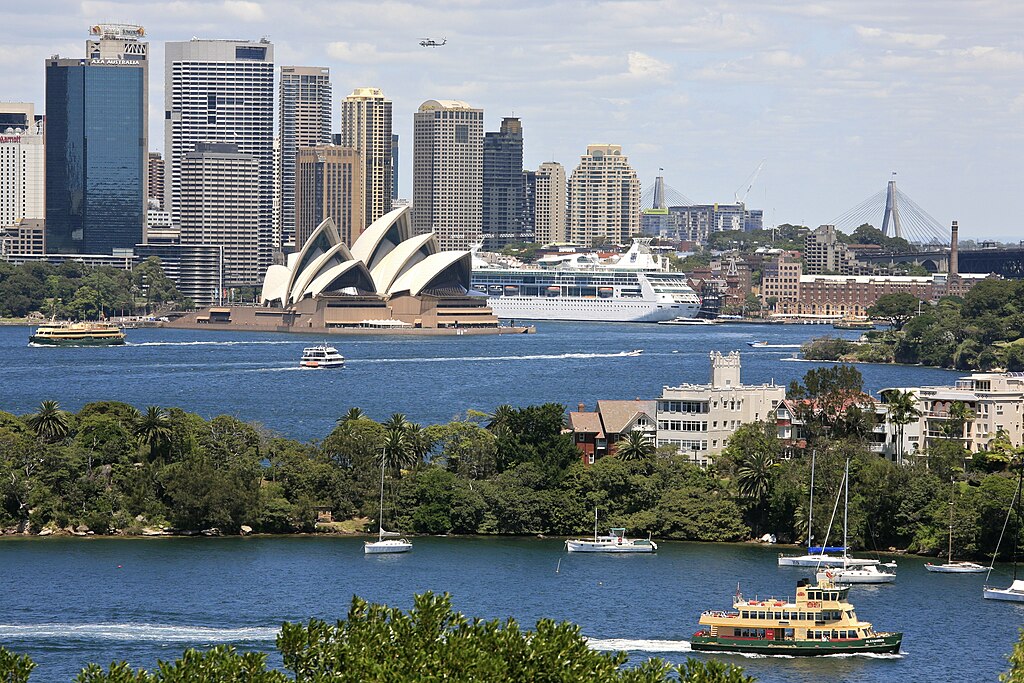
Australia’s economy is expected to slow in the first quarter of 2026 as a sharp increase in imports and weakening export performance weigh heavily on growth. Fresh data from the Australian Bureau of Statistics (ABS) revealed that net trade became a significant drag on the economy, while government spending failed to provide any support for economic expansion.
According to the ABS, Australia’s current account deficit widened to A$27.1 billion during the March quarter, up from a revised A$23.0 billion in the previous quarter. The figure exceeded market expectations of a A$23.2 billion deficit, highlighting growing pressure on the nation’s external balance.
The agency estimated that net exports would subtract 0.8 percentage points from gross domestic product (GDP) growth in the first quarter, a larger impact than analysts had forecast. Australia’s trade balance in goods and services slipped into deficit for the first time since late 2017, driven by declining exports of mining commodities and a sharp rise in imports.
A major factor behind the surge in imports was the growing demand for data centre infrastructure. Imports of advanced data processing equipment reached record levels as companies invested heavily in artificial intelligence (AI) server racks and related technology. Strong spending on data centre projects in New South Wales and Victoria also boosted imports. Fuel purchases further contributed to the increase.
Government expenditure remained unchanged during the quarter, ending a period of strong contributions to economic growth. As a result, economic performance largely depended on business investment and household consumption.
Economists expect Australia’s GDP to rise by 0.5% in the March quarter, down from 0.8% growth in the previous quarter. Annual growth is projected at 2.6%.
The Reserve Bank of Australia (RBA) has raised interest rates three times this year, bringing the cash rate to 4.35%. Policymakers aim to curb inflation and manage the impact of global energy market disruptions. Early signs suggest higher borrowing costs are slowing demand, with weaker household spending, stagnant housing prices, and a gradual increase in unemployment.
The RBA forecasts economic growth will moderate further, reaching 1.9% by the second quarter and slowing to 1.3% by the end of 2026 as tighter monetary policy and geopolitical tensions continue to affect the broader economy.







