


 Trump Lifts 25% Tariff on Indian Goods in Strategic U.S.–India Trade and Energy Deal
  U.S.-India Trade Framework Signals Major Shift in Tariffs, Energy, and Supply Chains
  ECB’s Cipollone Backs Digital Euro as Europe Pushes for Payment System Independence
  Bank of England Expected to Hold Interest Rates at 3.75% as Inflation Remains Elevated
  Dow Hits 50,000 as U.S. Stocks Stage Strong Rebound Amid AI Volatility
  Fed Governor Lisa Cook Warns Inflation Risks Remain as Rates Stay Steady
  Vietnam’s Trade Surplus With US Jumps as Exports Surge and China Imports Hit Record
  South Africa Eyes ECB Repo Lines as Inflation Eases and Rate Cuts Loom
  Jerome Powell Attends Supreme Court Hearing on Trump Effort to Fire Fed Governor, Calling It Historic
  Japanese Pharmaceutical Stocks Slide as TrumpRx.gov Launch Sparks Market Concerns
  Why Trump’s new pick for Fed chair hit gold and silver markets – for good reasons
  BOJ Holds Interest Rates Steady, Upgrades Growth and Inflation Outlook for Japan
  MAS Holds Monetary Policy Steady as Strong Growth Raises Inflation Risks
  South Korea’s Weak Won Struggles as Retail Investors Pour Money Into U.S. Stocks


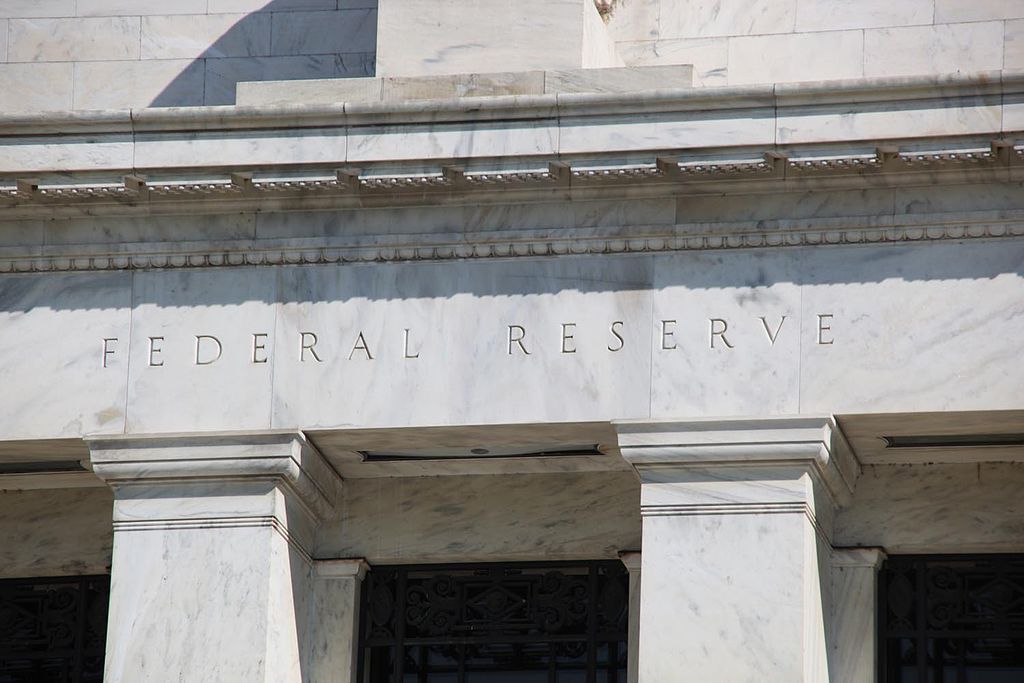
Federal Reserve Bank of Chicago President Austan Goolsbee said Thursday that recent inflation data has been encouraging, raising the possibility of additional interest rate cuts next year if current trends continue. Speaking in a Fox Business interview, Goolsbee emphasized that the long-term level of interest rates is likely lower than where it stands today, provided inflation continues moving toward the Federal Reserve’s 2% target.
According to Goolsbee, the recent slowdown in inflation supports the view that monetary policy may eventually become less restrictive. He stated that if the Federal Reserve continues to meet its inflation objectives, it would be realistic for interest rates to decline meaningfully by the end of next year. His comments come amid heightened market attention on future Fed policy, as investors closely monitor signals around interest rate cuts, inflation trends, and economic growth.
Despite his optimistic tone, Goolsbee has urged caution. He was one of two Federal Reserve officials who voted against the most recent rate cut, citing discomfort with front-loading reductions too aggressively. He explained that while inflation data has improved, he would prefer to see sustained and consistent progress before fully supporting additional rate cuts. This cautious stance highlights the Federal Reserve’s ongoing balancing act between controlling inflation and supporting economic stability.
Goolsbee also noted that labor market indicators suggest gradual cooling, with most measures showing less pressure than earlier in the economic cycle. A softening job market, combined with easing inflation, strengthens the argument that restrictive monetary policy may no longer be needed at current levels over the long term.
When asked about the upcoming transition in Federal Reserve leadership, Goolsbee downplayed concerns, saying he does not anticipate management or policy disruptions as a new Fed chair eventually takes over. Overall, his remarks reinforce expectations that interest rates could move lower in the future, while underscoring the Fed’s data-driven approach to inflation, employment, and monetary policy decisions.













