


 Fed’s Hammack Says Bond Yield Surge Is Not Driven by Inflation Fears
  Gold Prices Fall as Treasury Yields Rise on Fed Rate Hike Bets
  Canadian Dollar Faces Pressure as Fed-BoC Policy Gap Widens
  European Stocks Fall as Bond Yields and Geopolitical Risks Weigh
  Oil Prices Fall on U.S.-Iran Hormuz Deal Hopes
  Asian Stocks Fall as Surging Bond Yields Rattle Markets
  Japanese Yen Rebounds as Trump Flags Currency Weakness
  Germany’s 2026 Growth Outlook Strengthens on Fiscal Spending
  Wall Street Ends Flat as Oil, Treasury Yields and Fed Jitters Rattle Markets
  US Stock Futures Fall as Treasury Yields Surge Ahead of Trump-Xi Summit
  Japanese Bank Stocks Surge as Bond Yields Fuel Rate Hike Bets
  US 10-Year Treasury Yield at 6% Emerges as New Market Risk Threshold
  U.S. Dollar Hits Two-Month High as Oil, Treasury Yields Surge
  Gold Holds Near $4,275 as Rising Treasury Yields Fuel Fed Rate Hike Bets
  China Agrees to Buy 20 Million Tons of U.S. Coal
  Mexico-US Trade Talks Delayed to October as Tariff Negotiations Continue
  Dollar Falls as Oil Eases, Yen Jumps on Intervention Signals


 Add as a preferred source on Google
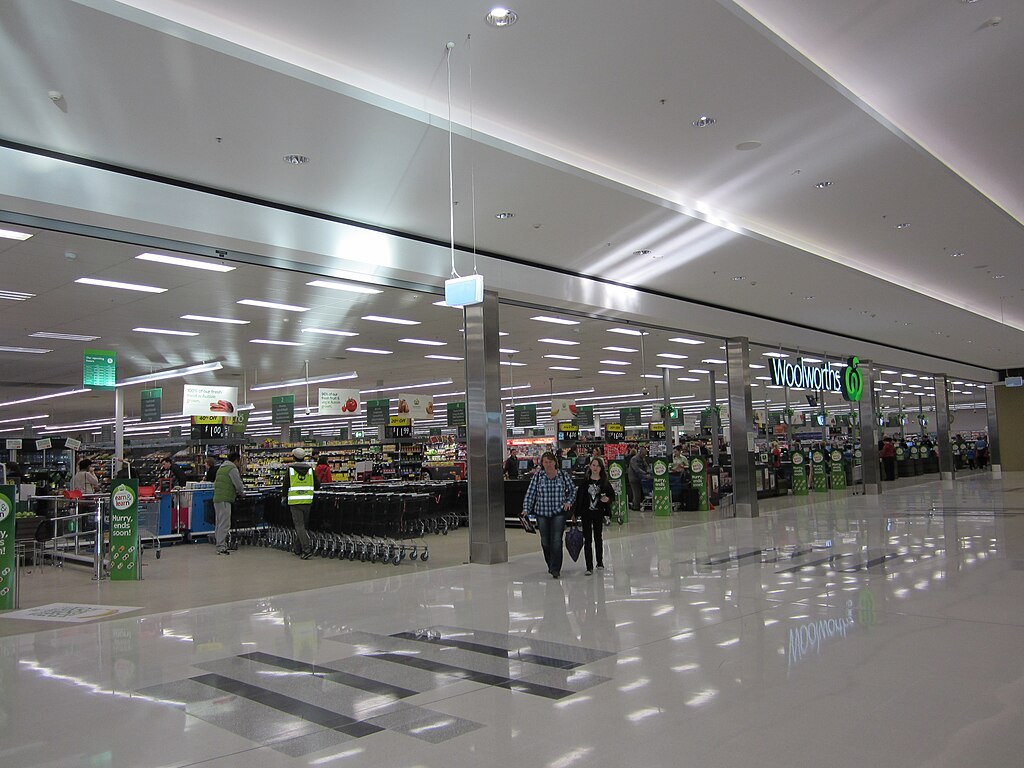
Australia’s top supermarket chains—Woolworths, Coles, and ALDI—have expanded profit margins amid soaring grocery prices, according to a new report by the Australian Competition and Consumer Commission (ACCC). The watchdog revealed that grocery prices have surged 24% over the past five years, outpacing wage growth and disproportionately impacting low-income households.
While rising supply-chain costs drove much of the price increases, the ACCC found that retailers also boosted their margins, meaning some price hikes translated directly into profits. The three dominant grocers currently control around 75% of Australia’s grocery market, creating an entrenched oligopoly.
The ACCC recommended measures to improve competition and transparency in the sector. These include requiring supermarkets to disclose changes in package sizes, streamlining planning laws to allow new competitors, and limiting the negotiation power large retailers hold over suppliers.
Woolworths and Coles welcomed the report but defended their practices. Woolworths CEO Amanda Bardwell expressed support for transparency initiatives that don’t increase costs. Coles argued that rising margins were necessary to offset growing expenses such as energy, rent, and wages, which the ACCC did not fully consider.
Despite the criticism, shares of both Woolworths and Coles rose following the report’s release, with investors relieved by the absence of strict regulatory reforms like price controls. Analysts at Citi called the report “benign,” predicting limited impact on future earnings.
Australian Treasurer Jim Chalmers emphasized the government’s ongoing efforts to enhance supermarket competition and enforce compliance with the industry’s code of conduct.
The ACCC concluded that major retailers hold a deeply entrenched position, and significant changes in market dynamics are unlikely in the near future. The findings raise pressing concerns about fairness, competition, and affordability in Australia’s grocery sector.







