


 Wall Street Falls as Treasury Yields Surge, Oil Rebounds on Iran Tensions
  Gold Drops Over 1% as Dollar, Treasury Yields Surge on Fed Rate Hike Bets
  Japan Private-Sector Growth Slows as Domestic Demand Weakens
  U.S. 10-Year Treasury Yield Hits 2007 High as Fed Rate Hike Bets Rise
  Oil Prices Ease as Iran Tensions Clash With Diplomacy Hopes
  European Stocks Fall as Bond Yields and Geopolitical Risks Weigh
  US, China Extend Trade Truce to Jan. 10 Ahead of Trump-Xi Summit
  Dollar Hits Two-Month High as Fed Rate Hike Bets Rise
  US Dollar Hits Two-Month High as Fed Rate Hike Bets Rise
  US 10-Year Treasury Yield at 6% Emerges as New Market Risk Threshold
  Asian Currencies Mixed as Dollar Holds Near Two-Month High
  Australia Unemployment Hits Five-Year High Despite Strong Jobs Growth
  European Stocks Slip as Iran Tensions Offset Strong Eurozone Data
  Fed Unveils Stablecoin Rules Under GENIUS Act
  China’s ‘Lipstick King’ Says AI Won’t Replace Livestream Hosts
  Russian Envoy Dmitriev Heads to US for Ukraine Talks


 Add as a preferred source on Google
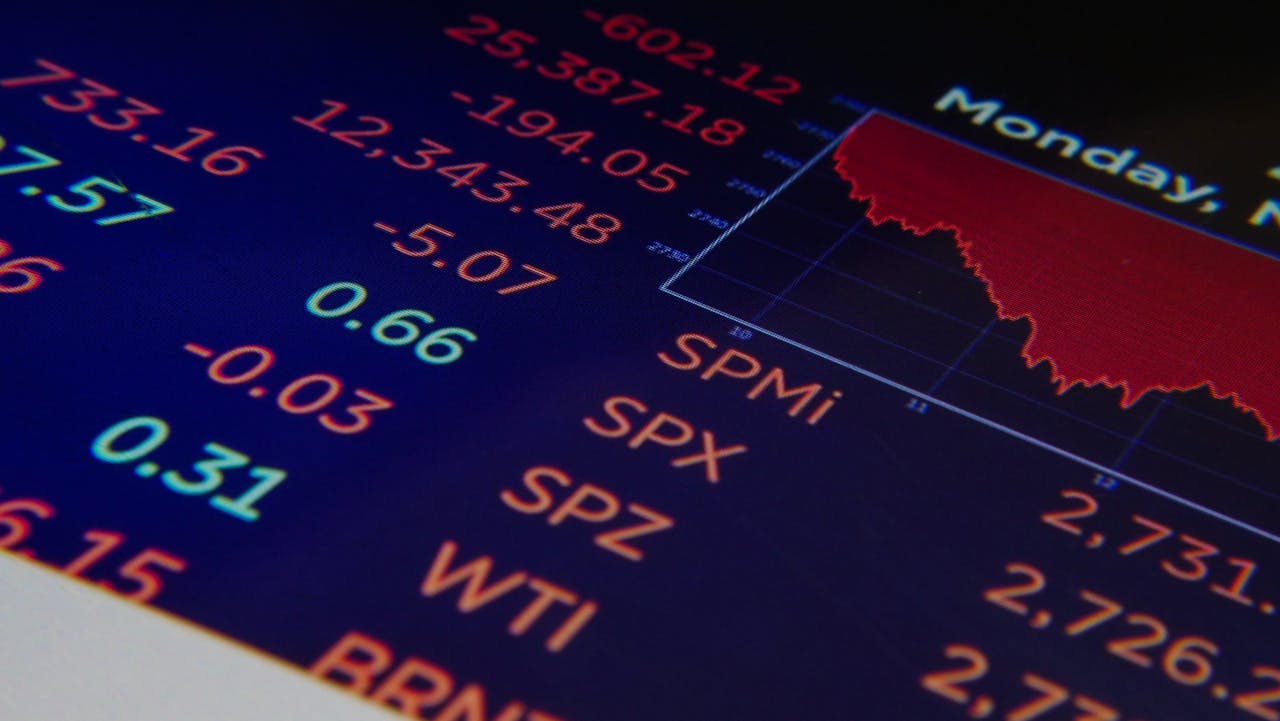
Asian stock markets fell sharply on Tuesday as renewed concerns over massive artificial intelligence spending and China's rapid semiconductor progress triggered another selloff in global chip stocks, with South Korea's KOSPI leading regional losses.
South Korea's benchmark KOSPI plunged as much as 8.1%, its lowest level since April 20, prompting market sidecar and circuit-breaker measures. Japan's Nikkei 225 also dropped as much as 4%, while the broader TOPIX slid nearly 3%. U.S. futures reflected the cautious mood, with Nasdaq 100 Futures falling 0.6% and S&P 500 Futures easing 0.2%.
Investor sentiment weakened after reports suggested Nvidia-backed AI financing commitments had exceeded $750 billion, raising concerns that infrastructure spending may be outpacing future demand. The growing scale of AI investment has fueled fears over financing risks, prompting investors to reduce exposure to semiconductor stocks.
South Korean chipmakers suffered steep losses. SK Hynix, a major supplier of high-bandwidth memory chips for AI applications, tumbled as much as 30% before trimming losses to around 11%, while Samsung Electronics fell as much as 9%.
Japanese semiconductor equipment manufacturers also came under heavy pressure. Kioxia Holdings plunged as much as 18%, while Tokyo Electron, Disco, Nikon, and Murata Manufacturing each declined more than 9%, dragging the Nikkei to its weakest level since late May.
Adding to market anxiety, a report from The Information said a Chinese state-backed company had begun mass-producing immersion deep ultraviolet (DUV) lithography machines. The development heightened concerns that China's semiconductor industry could accelerate its push toward self-sufficiency, intensifying competition for global equipment makers such as ASML and Japanese chip equipment suppliers.
Despite broader regional weakness, Chinese technology stocks showed resilience. Hong Kong's Hang Seng Index edged 0.3% higher, supported by gains in JD.com, Meituan, and Alibaba. Investors were encouraged by CXMT Corp.'s strong Shanghai market debut and growing optimism that domestic chipmakers could expand market share as Beijing strengthens its semiconductor industry.
Meanwhile, oil prices extended Monday's decline after President Donald Trump said there was a "good chance" of reaching an agreement with Iran, easing concerns over crude supply disruptions and inflation ahead of this week's Federal Reserve meeting. Investors are also awaiting policy decisions from the Fed, Bank of Japan, and Bank of England, along with earnings from Microsoft, Meta Platforms, Apple, and Amazon.







