


 Trump, Xi Focus on Trade and AI at White House Summit
  Fed Unveils Stablecoin Rules Under GENIUS Act
  Wall Street Ends Flat as Oil, Treasury Yields and Fed Jitters Rattle Markets
  Gold Prices Fall as Treasury Yields Rise on Fed Rate Hike Bets
  Japanese Yen Rebounds as Trump Flags Currency Weakness
  Japanese Bank Stocks Surge as Bond Yields Fuel Rate Hike Bets
  Gold Holds Near $4,275 as Rising Treasury Yields Fuel Fed Rate Hike Bets
  US 10-Year Treasury Yield at 6% Emerges as New Market Risk Threshold
  China’s ‘Lipstick King’ Says AI Won’t Replace Livestream Hosts
  Fed Unveils Stablecoin Rules Under GENIUS Act
  Canadian Dollar Faces Pressure as Fed-BoC Policy Gap Widens
  Asian Currencies Mixed as Dollar Holds Near Two-Month High
  Oil Prices Fall on U.S.-Iran Hormuz Deal Hopes
  Dollar Holds Near Two-Month High as Yen Approaches 160
  RBI Uses $10 Billion Currency Swaps to Drain Excess Rupee Liquidity
  Soybean Futures Slip as Traders Await Trump-Xi Trade Signals


 Add as a preferred source on Google
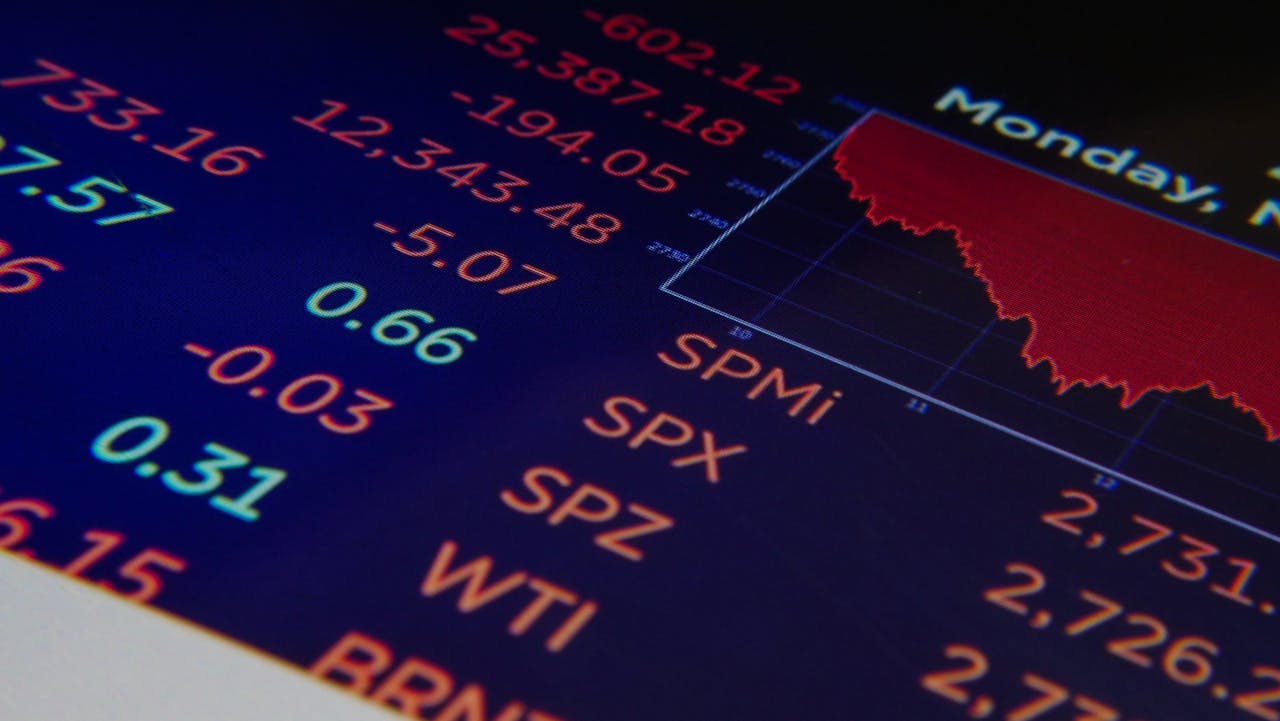
Asian stock markets traded mixed on Friday as investors assessed contrasting signals from major central banks, while most regional indexes held steady ahead of key U.S. inflation data. Market sentiment was shaped by India’s rate cut, renewed expectations of a Bank of Japan hike, and anticipation surrounding the Federal Reserve’s next move.
In India, the Reserve Bank of India lowered its key repo rate by 25 basis points to 5.25%, delivering a widely expected move aimed at supporting economic growth as inflation continues to ease. Governor Sanjay Malhotra noted that inflation had “eased significantly” and is likely to remain softer than previous forecasts. The central bank also upgraded its GDP growth outlook for FY26, reinforcing confidence in the country’s economic momentum. The Nifty 50 index responded modestly, ticking up 0.2% following the announcement. Although the rate cut was anticipated, earlier optimism had cooled due to strong economic performance and the rupee’s slide to record lows.
Japanese stocks moved in the opposite direction, with the Nikkei 225 dropping about 1.5% as traders grew increasingly convinced that the Bank of Japan may raise interest rates in December. Comments from BOJ Governor Kazuo Ueda earlier in the week were viewed as hawkish, and a Reuters report indicated that policymakers could proceed with a hike with government tolerance, pressuring sentiment in Tokyo.
Across the broader Asian region, trading remained subdued as investors awaited the U.S. Personal Consumption Expenditures Price Index, the Federal Reserve’s preferred inflation gauge. Jobless claims data from the U.S. showed a decline to 191,000, keeping rate-cut expectations intact. China’s CSI 300 and Shanghai Composite were little changed, while Hong Kong’s Hang Seng edged 0.2% lower. South Korea’s KOSPI gained 0.7%, Singapore’s Straits Times Index slipped 0.4%, and Australia’s S&P/ASX 200 traded mostly flat.
This mix of policy shifts and cautious trading continues to shape investor outlook ahead of major economic updates.







