


 RBI Uses $10 Billion Currency Swaps to Drain Excess Rupee Liquidity
  Japan Private-Sector Growth Slows as Domestic Demand Weakens
  Dollar Falls as Oil Eases, Yen Jumps on Intervention Signals
  U.S. Dollar Hits Two-Month High as Oil, Treasury Yields Surge
  US Comfortable With Canada Trade Standoff as Import Bans Loom
  Oil Prices Jump 3% as Houthi Attack Revives Supply Fears
  Dollar Holds Near Two-Month High as Yen Approaches 160
  Oil Prices Ease as Iran Tensions Clash With Diplomacy Hopes
  Gold Holds Near $4,275 as Rising Treasury Yields Fuel Fed Rate Hike Bets
  Fed Unveils Stablecoin Rules Under GENIUS Act
  Japanese Bank Stocks Surge as Bond Yields Fuel Rate Hike Bets
  Canadian Dollar Faces Pressure as Fed-BoC Policy Gap Widens
  Soybean Futures Slip as Traders Await Trump-Xi Trade Signals
  Fed’s Hammack Says Bond Yield Surge Is Not Driven by Inflation Fears
  Asian Currencies Mixed as Dollar Holds Near Two-Month High
  Asian Stocks Fall as Bond Yields Surge Ahead of Trump-Xi Summit


 Add as a preferred source on Google
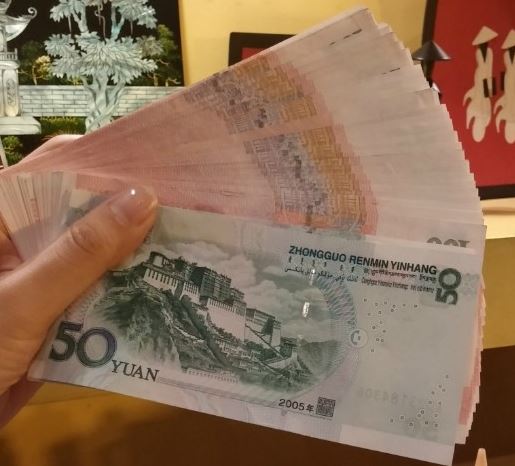
Asian currencies traded in a narrow range on Tuesday as renewed U.S.-China trade tensions kept markets on edge. The dollar remained steady ahead of Federal Reserve Chair Jerome Powell’s upcoming address, while regional currencies struggled to recover from steep losses in the previous session.
Market sentiment soured after U.S. President Donald Trump threatened to impose 100% tariffs on Chinese imports, prompting a strong response from Beijing. China’s Ministry of Commerce warned that it would “fight to the end” in any trade conflict with the United States. Despite diplomatic efforts to ease concerns, traders remained cautious amid fears of escalating trade hostilities between the two largest economies.
The Chinese yuan weakened slightly, with the USD/CNY pair rising 0.1%, reflecting investor anxiety. Trade data released Monday showed that China’s exports remained resilient despite 50% tariffs, as exporters diverted shipments to other Asian and European markets.
Elsewhere, the Japanese yen slipped slightly against the dollar (USD/JPY), weighed down by expectations of increased fiscal spending under incoming Prime Minister Sane Takaichi. However, her leadership faced uncertainty after a key coalition partner withdrew support. The South Korean won (USD/KRW) was largely unchanged, while the Australian dollar (AUD/USD) fell 0.3%. The Indian rupee (USD/INR) remained above 88, pressured by weaker consumer inflation data that fueled speculation of further rate cuts by the Reserve Bank of India.
Meanwhile, the U.S. dollar index eased 0.1% as traders awaited Powell’s remarks at the National Association for Business Economics meeting. The ongoing U.S. government shutdown has delayed key economic data, deepening uncertainty ahead of the Fed’s late-October meeting, where another 25 basis-point rate cut is expected.
The Singapore dollar (USD/SGD) held steady after stronger-than-expected third-quarter GDP growth. The Monetary Authority of Singapore maintained its policy stance, citing stable growth and limited fallout from trade tariffs, though economic momentum cooled compared to the previous quarter.







