


 US Dollar Hits Two-Month High as Fed Rate Hike Bets Rise
  Fed Unveils Stablecoin Rules Under GENIUS Act
  Japan Private-Sector Growth Slows as Domestic Demand Weakens
  Oil Prices Surge as U.S.-Iran Diplomacy Hopes Fade
  U.S. 10-Year Treasury Yield Hits 2007 High as Fed Rate Hike Bets Rise
  Mexico-US Trade Talks Delayed to October as Tariff Negotiations Continue
  US, China Extend Trade Truce to Jan. 10 Ahead of Trump-Xi Summit
  Asian Stocks Fall as Bond Yields Surge Ahead of Trump-Xi Summit
  Australia Unemployment Hits Five-Year High Despite Strong Jobs Growth
  U.S. Dollar Hits Two-Month High as Oil, Treasury Yields Surge
  Russian Envoy Dmitriev Heads to US for Ukraine Talks
  Oil Prices Jump 3% as Houthi Attack Revives Supply Fears
  U.S. Treasury Yields Surge as 30-Year Hits 22-Year High
  Fed Unveils Stablecoin Rules Under GENIUS Act
  Soybean Futures Slip as Traders Await Trump-Xi Trade Signals
  Gold Prices Fall as Treasury Yields Rise on Fed Rate Hike Bets


 Add as a preferred source on Google
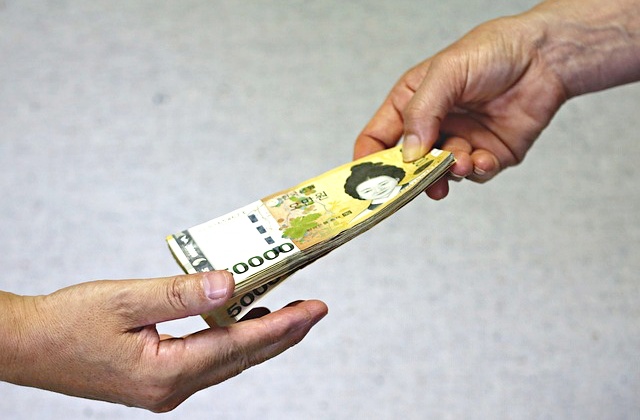
Asian currencies steadied on Thursday after experiencing significant losses in the previous session, as the U.S. dollar remained close to a two-month high. Investors continued to monitor escalating Middle East tensions and expectations that the Federal Reserve could maintain higher interest rates for a longer period, both of which supported the greenback.
The U.S. Dollar Index held near its strongest level in roughly two months during Asian trading after posting solid gains overnight. Market sentiment improved slightly after Washington announced that Israel and Lebanon had agreed to implement a ceasefire arrangement. However, the deal remains dependent on Hezbollah suspending its military activities, leaving investors cautious about the region’s stability.
Geopolitical concerns continued to influence currency markets. Reports of Iranian missile attacks targeting Kuwait and Bahrain, along with U.S. military strikes on Iran’s Qeshm Island near the Strait of Hormuz, increased uncertainty and boosted demand for safe-haven assets, including the U.S. dollar.
Among regional currencies, the South Korean won recovered modestly, with the USD/KRW pair falling 0.3% after jumping 1.2% in the previous session. The Indian rupee remained stable as the USD/INR pair traded flat following Wednesday’s 0.5% rise. The Australian dollar also showed little movement after declining 0.7% a day earlier. Meanwhile, China’s yuan weakened slightly, with USD/CNY edging up 0.1%, while the Singapore dollar remained largely unchanged against the U.S. currency.
The Japanese yen continued to attract attention as USD/JPY hovered around the critical 160 level. The pair traded near 159.97, keeping traders alert for potential intervention by Japanese authorities. Policymakers recently reiterated warnings against excessive currency volatility, while Bank of Japan Governor Kazuo Ueda suggested further interest rate increases could be considered if inflation risks intensify.
The dollar also benefited from stronger-than-expected U.S. economic indicators. ADP data showed private-sector employers added 122,000 jobs in May, highlighting labor market resilience. Additionally, the ISM Services PMI rose to 54.5, signaling continued economic expansion. A sharp increase in the survey’s prices-paid component reinforced concerns that inflation remains elevated.
Investors are now closely watching Friday’s U.S. nonfarm payrolls report, which could provide critical insights into the Federal Reserve’s future interest rate decisions and set the direction for global currency markets in the coming weeks.







