


 Fed Unveils Stablecoin Rules Under GENIUS Act
  Asian Stocks Fall as Bond Yields Surge Ahead of Trump-Xi Summit
  Fed Unveils Stablecoin Rules Under GENIUS Act
  Oil Prices Ease as Iran Tensions Clash With Diplomacy Hopes
  RBI Uses $10 Billion Currency Swaps to Drain Excess Rupee Liquidity
  US 10-Year Treasury Yield at 6% Emerges as New Market Risk Threshold
  South Korea, US Discuss Warship Building Cooperation
  Mexico-US Trade Talks Delayed to October as Tariff Negotiations Continue
  Gold Holds Near $4,275 as Rising Treasury Yields Fuel Fed Rate Hike Bets
  Oil Prices Surge as U.S.-Iran Diplomacy Hopes Fade
  Oil Prices Jump 3% as Houthi Attack Revives Supply Fears
  Gold Prices Fall as Treasury Yields Rise on Fed Rate Hike Bets
  U.S. Dollar Hits Two-Month High as Oil, Treasury Yields Surge
  U.S. 10-Year Treasury Yield Hits 2007 High as Fed Rate Hike Bets Rise
  US, China Extend Trade Truce to Jan. 10 Ahead of Trump-Xi Summit
  Trump, Xi Focus on Trade and AI at White House Summit
  Wall Street Ends Flat as Oil, Treasury Yields and Fed Jitters Rattle Markets


 Add as a preferred source on Google
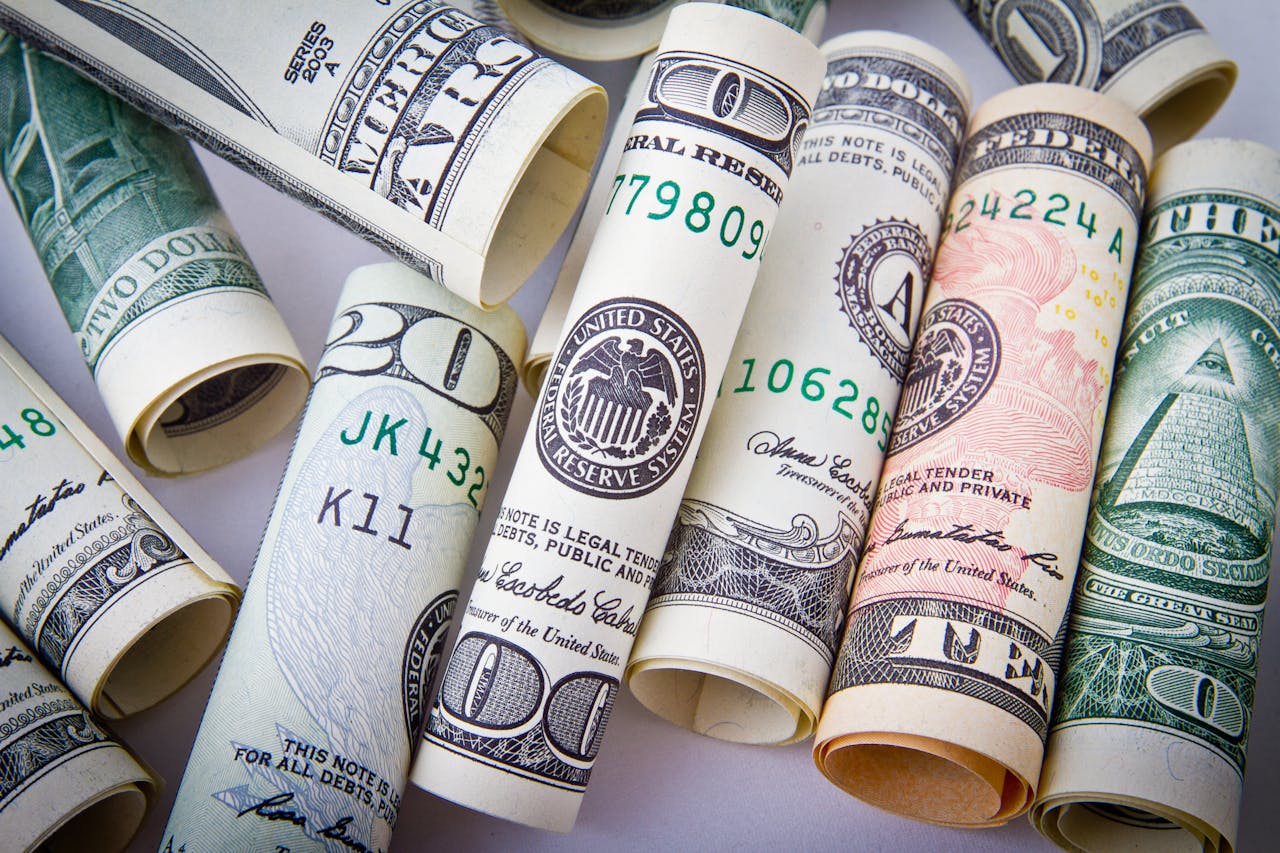
The U.S. dollar surrendered most of its war-driven gains on Friday after Iran announced the Strait of Hormuz was "completely open," reducing the safe-haven appeal that had propped up the currency since the U.S.-Iran conflict began nearly 50 days ago.
The U.S. Dollar Index slipped to an intraday low of 97.63 before recovering slightly to 98.21, placing the greenback on pace for a second straight weekly decline. Iranian Foreign Minister Abbas Araghchi confirmed the strait's reopening on social media, tying it to a 10-day ceasefire agreement between Israel and Lebanon. President Donald Trump echoed the announcement but clarified that the U.S. naval blockade on Iranian ports would remain in place.
Currency strategists linked the dollar's pullback directly to easing geopolitical tensions. "As risk retreats from the Middle East, the safety move into the U.S. dollar is being reversed," said Dennis Kissler, Senior Vice President at BOK Financial. The dollar had previously benefited from investor confidence that the U.S., as a major energy exporter, was more insulated than other economies from oil supply disruptions caused by the strait's effective closure.
Peace negotiations between Washington and Tehran are progressing, with talks reportedly centered on the release of $20 billion in frozen Iranian assets in exchange for Iran surrendering its enriched uranium stockpile. Trump later stated that Iran agreed to suspend its nuclear program indefinitely without receiving frozen funds.
In broader currency markets, the euro edged 0.1% lower against the dollar to $1.1766, while the British pound held steady at $1.3521. Both currencies remain near seven-week highs. The Australian dollar, often used as a risk sentiment barometer, hovered near four-year peaks, while the Japanese yen gained modestly as Bank of Japan Governor Kazuo Ueda offered no signals of an imminent rate hike.







