


 RBI Uses $10 Billion Currency Swaps to Drain Excess Rupee Liquidity
  Fed’s Hammack Says Bond Yield Surge Is Not Driven by Inflation Fears
  Wall Street Ends Flat as Oil, Treasury Yields and Fed Jitters Rattle Markets
  Soybean Futures Slip as Traders Await Trump-Xi Trade Signals
  Fed Unveils Stablecoin Rules Under GENIUS Act
  Mexico-US Trade Talks Delayed to October as Tariff Negotiations Continue
  Trump, Xi Focus on Trade and AI at White House Summit
  Asian Stocks Fall as Surging Bond Yields Rattle Markets
  China’s ‘Lipstick King’ Says AI Won’t Replace Livestream Hosts
  Gold Prices Fall as Treasury Yields Rise on Fed Rate Hike Bets
  Asian Currencies Mixed as Dollar Holds Near Two-Month High
  US Stock Futures Fall as Treasury Yields Surge Ahead of Trump-Xi Summit
  Australia Unemployment Hits Five-Year High Despite Strong Jobs Growth
  Oil Prices Jump 3% as Houthi Attack Revives Supply Fears
  US 10-Year Treasury Yield at 6% Emerges as New Market Risk Threshold
  Japanese Yen Rebounds as Trump Flags Currency Weakness
  Japan Private-Sector Growth Slows as Domestic Demand Weakens


 Add as a preferred source on Google
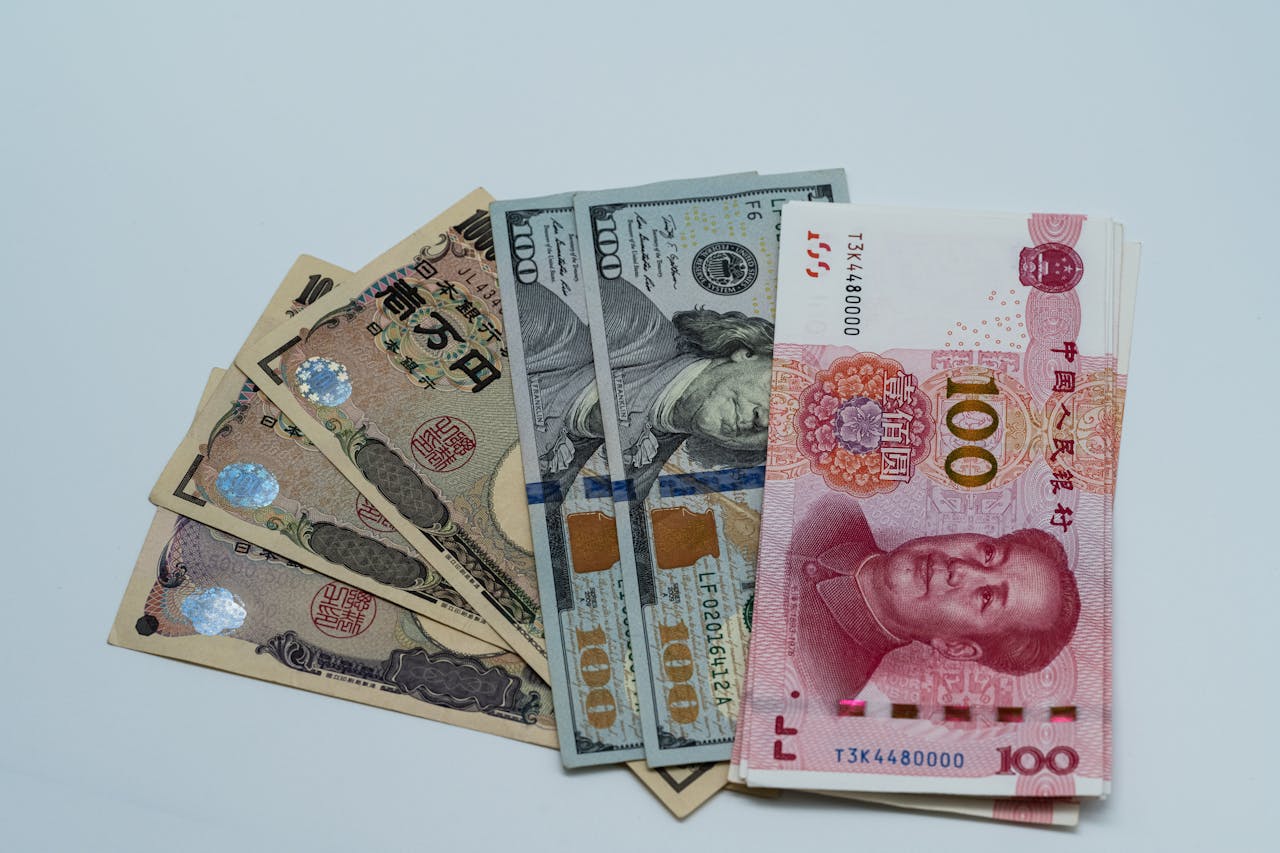
Most Asian currencies traded within a narrow range on Tuesday, reflecting a cautious market mood as investors awaited key economic data from the United States and Asia. The Japanese yen remained one of the notable movers, holding on to overnight gains after hawkish signals from the Bank of Japan reinforced expectations of further policy tightening. At the same time, regional currencies found some relief as the U.S. dollar stabilized following a volatile start to the week.
The yen strengthened modestly, with the USD/JPY pair hovering near 156.4 after retreating from levels above 157. This move came after Bank of Japan Governor Kazuo Ueda reiterated that the central bank is prepared to continue raising interest rates if wage growth and inflation remain on track. His remarks followed the BOJ’s recent 25-basis-point rate hike, which pushed borrowing costs to their highest level in three decades. Ongoing speculation about potential currency market intervention by Japanese authorities also lent support to the yen, especially after recent weakness pushed it into levels that previously triggered action from Tokyo.
Across the rest of Asia, currency movements were subdued. The Chinese yuan edged higher, with USD/CNY slipping about 0.1% and holding near its strongest level in roughly two and a half years. Sentiment around the yuan was supported by optimism that Beijing may roll out additional stimulus to counter slowing economic growth, while upcoming Chinese inflation data later this week is expected to provide further direction. The Australian dollar also posted mild gains ahead of December inflation data, which has taken on added importance amid signs of renewed price pressures that have reduced expectations for interest rate cuts by the Reserve Bank of Australia.
Elsewhere, the Singapore dollar strengthened slightly, the South Korean won was largely unchanged, and the Indian rupee remained under pressure, trading above the 90-per-dollar mark. Meanwhile, the U.S. dollar steadied after a sharp bout of volatility tied to geopolitical headlines involving Venezuela. With markets now shifting focus to U.S. nonfarm payrolls data due Friday, Asian currencies are likely to remain rangebound as traders look for clearer signals on global interest rate and policy outlooks.







