


 Asian Stocks Fall as Surging Bond Yields Rattle Markets
  RBI Uses $10 Billion Currency Swaps to Drain Excess Rupee Liquidity
  U.S. Dollar Hits Two-Month High as Oil, Treasury Yields Surge
  Gold Prices Fall as Treasury Yields Rise on Fed Rate Hike Bets
  Japanese Bank Stocks Surge as Bond Yields Fuel Rate Hike Bets
  Oil Prices Fall on U.S.-Iran Hormuz Deal Hopes
  Canadian Dollar Faces Pressure as Fed-BoC Policy Gap Widens
  Fed Unveils Stablecoin Rules Under GENIUS Act
  Trump, Xi Focus on Trade and AI at White House Summit
  US 10-Year Treasury Yield at 6% Emerges as New Market Risk Threshold
  Oil Prices Jump 3% as Houthi Attack Revives Supply Fears
  Asian Currencies Mixed as Dollar Holds Near Two-Month High
  Fed’s Hammack Says Bond Yield Surge Is Not Driven by Inflation Fears
  Oil Prices Ease as Iran Tensions Clash With Diplomacy Hopes
  Wall Street Ends Flat as Oil, Treasury Yields and Fed Jitters Rattle Markets
  Japanese Yen Rebounds as Trump Flags Currency Weakness
  US Stock Futures Fall as Treasury Yields Surge Ahead of Trump-Xi Summit


 Add as a preferred source on Google
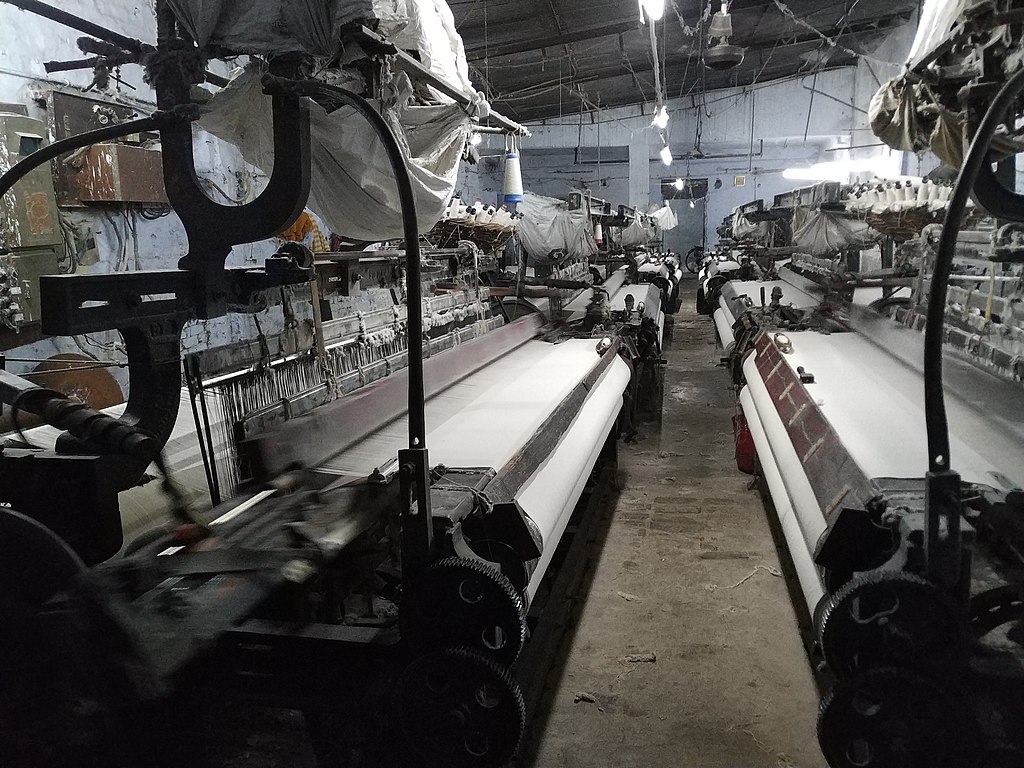
Asia’s major manufacturing economies ended 2025 on a stronger note, as factory activity rebounded across several key markets, supported by rising export orders, renewed global demand, and new product launches. Purchasing Managers’ Index (PMI) data released by S&P Global showed a notable return to growth in important technology-exporting economies, signaling cautious optimism for the year ahead.
According to the latest PMI figures, manufacturing activity in South Korea and Taiwan moved back into expansion territory in December after months of contraction. Taiwan’s PMI climbed to 50.9 from 48.8 in November, marking its first reading above the critical 50-point threshold in ten months. South Korea’s PMI also improved to 50.1 from 49.4, its first expansionary result since September. A PMI reading above 50 indicates growth, while levels below that signal contraction.
The recovery has been largely driven by stronger export demand, particularly for semiconductors, as both economies play a central role in the global technology supply chain. The booming artificial intelligence market has significantly boosted chip demand, benefiting manufacturers in both Taiwan and South Korea. Survey data highlighted rising production levels, increased new business, and improving confidence among manufacturers heading into 2026.
S&P Global analysts noted that firms in Taiwan have begun rebuilding inventories and expressed stronger optimism about future output, suggesting expectations of a sustained recovery. In South Korea, manufacturers reported the sharpest rise in new orders since late 2024, driven by improved external demand and successful new product launches. This renewed confidence encouraged companies to expand hiring and increase purchasing activity.
Across Southeast Asia, factory activity generally remained in growth territory, although Indonesia and Vietnam saw slightly slower expansion. Meanwhile, China’s earlier PMI data also showed an unexpected turnaround in manufacturing activity, supported by a pre-holiday surge in orders.
In related economic news, Singapore reported that its economy grew by 4.8% in 2025, up from 4.4% in 2024, reinforcing signs of regional resilience. Market participants now await Japan’s PMI release for further insight into Asia’s manufacturing outlook as global demand continues to stabilize.







