


 European Stocks Fall as Bond Yields and Geopolitical Risks Weigh
  U.S. Treasury Yields Surge as 30-Year Hits 22-Year High
  Russian Envoy Dmitriev Heads to US for Ukraine Talks
  Australia Unemployment Hits Five-Year High Despite Strong Jobs Growth
  Dollar Holds Near Two-Month High as Yen Approaches 160
  Asian Stocks Fall as Surging Bond Yields Rattle Markets
  US, China Extend Trade Truce to Jan. 10 Ahead of Trump-Xi Summit
  Wall Street Falls as Treasury Yields Surge, Oil Rebounds on Iran Tensions
  Gold Prices Fall as Treasury Yields Rise on Fed Rate Hike Bets
  Soybean Futures Slip as Traders Await Trump-Xi Trade Signals
  Gold Holds Near $4,275 as Rising Treasury Yields Fuel Fed Rate Hike Bets
  Oil Prices Surge as U.S.-Iran Diplomacy Hopes Fade
  Asian Stocks Fall as Bond Yields Surge Ahead of Trump-Xi Summit
  Fed Unveils Stablecoin Rules Under GENIUS Act
  U.S. Dollar Hits Two-Month High as Oil, Treasury Yields Surge
  Japan Private-Sector Growth Slows as Domestic Demand Weakens
  RBI Uses $10 Billion Currency Swaps to Drain Excess Rupee Liquidity


 Add as a preferred source on Google
Most Asian currencies traded within narrow ranges on Wednesday as investors weighed conflicting signals surrounding the U.S.-Israel conflict with Iran while bracing for critical U.S. inflation figures. Traders largely stayed on the sidelines, cautious ahead of February's Consumer Price Index data — though analysts noted the report is unlikely to capture the full impact of energy market disruptions tied to the ongoing Iran war.
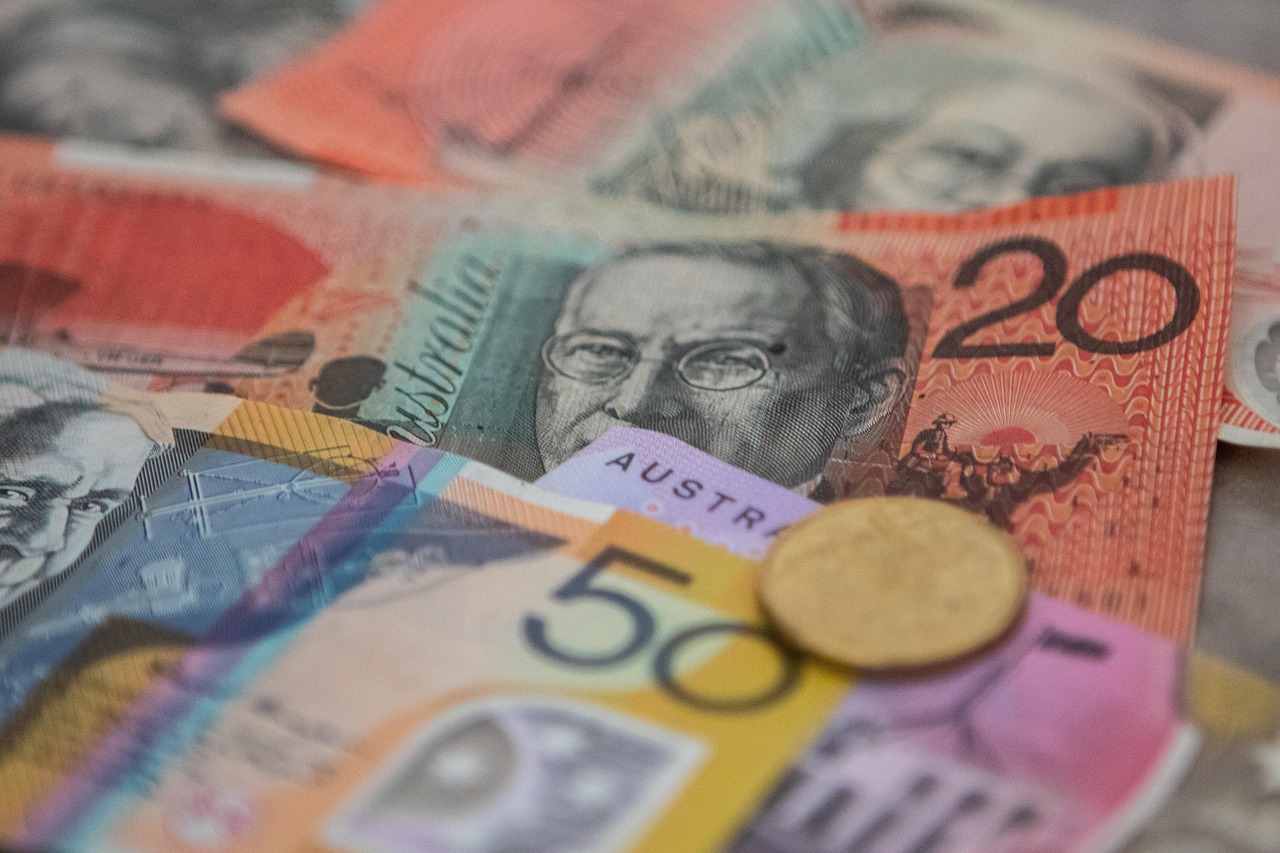
The Australian dollar emerged as the standout performer across Asian forex markets, climbing as much as 0.7% against the U.S. dollar to reach $0.7175 — its highest level since mid-2022. Strong expectations that the Reserve Bank of Australia will raise interest rates at its upcoming meeting drove the rally. Deputy RBA Governor Andrew Hauser signaled that a "genuine" debate over a rate hike is expected next week, while Westpac economists projected 25 basis point increases in both March and May, citing inflation risks tied to surging energy prices from the Iran conflict.
Meanwhile, the Japanese yen weakened slightly, with the USD/JPY pair edging back above 158 after cooler-than-expected producer price data raised fresh doubts about the Bank of Japan's ability to tighten monetary policy in the near term. A positive revision to Japan's fourth-quarter GDP growth provided only brief support for the currency.
Elsewhere, the Singapore dollar and South Korean won made modest gains, while the Chinese yuan and Indian rupee remained relatively flat. Regional markets continue to monitor disruptions in the Strait of Hormuz, a vital energy shipping corridor that Iran has threatened to blockade. Japan, South Korea, Singapore, and India face the greatest exposure to prolonged supply disruptions, while China is considered better shielded from immediate energy shocks.
The U.S. dollar index dipped slightly as markets awaited further economic clarity.







